Monza Corner Analysis - Ferrari F2004 (Assetto Corsa)
February 9th, 2024

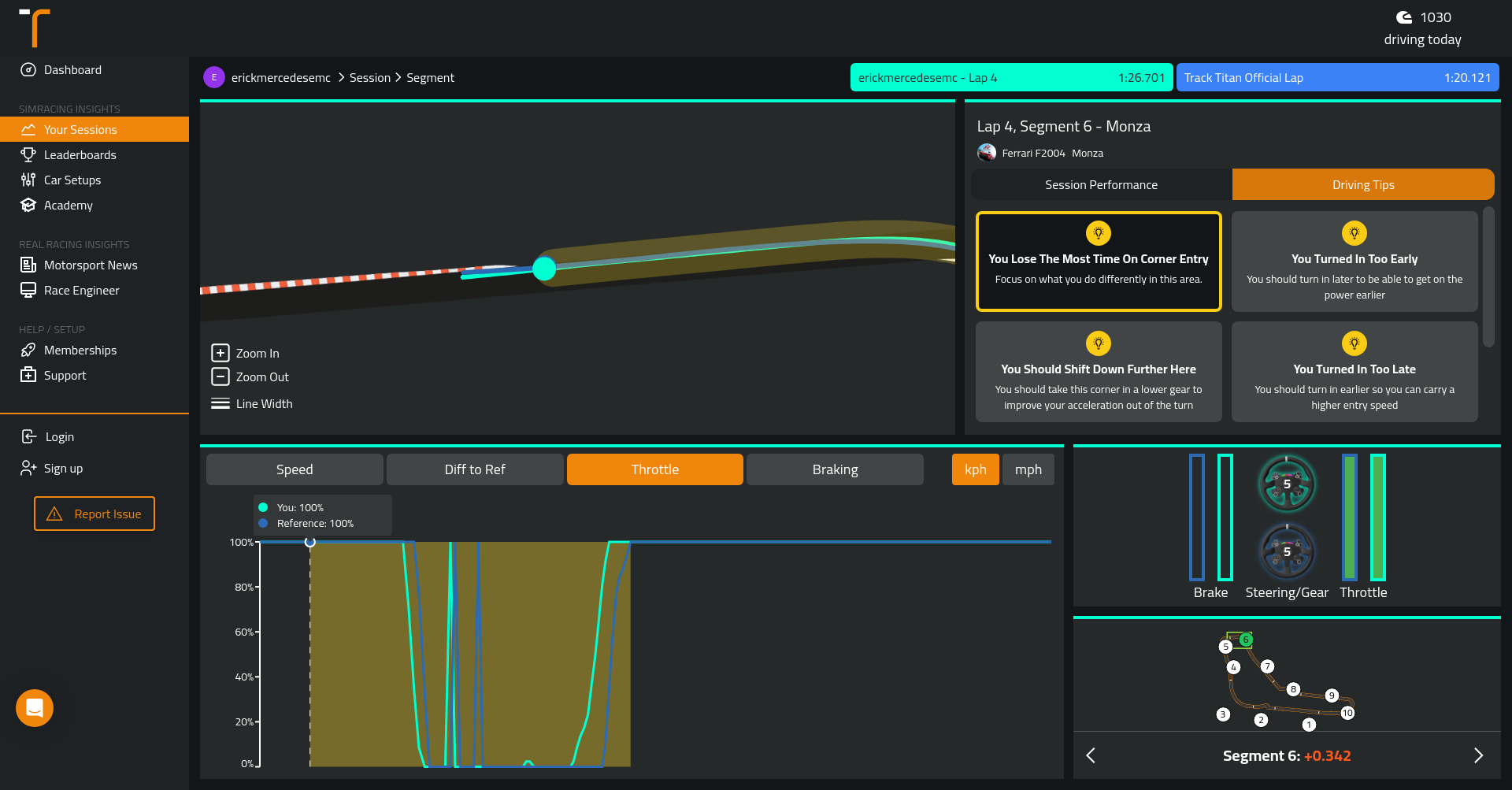
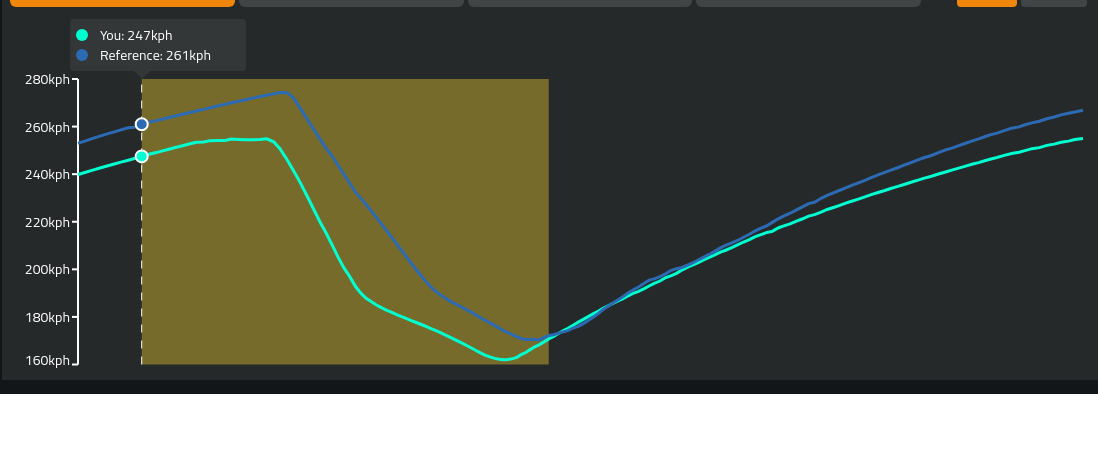
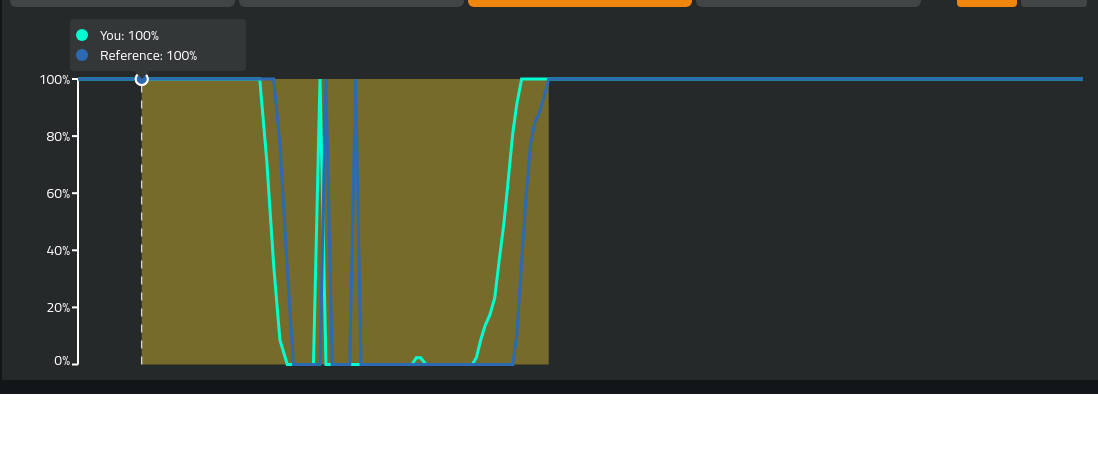
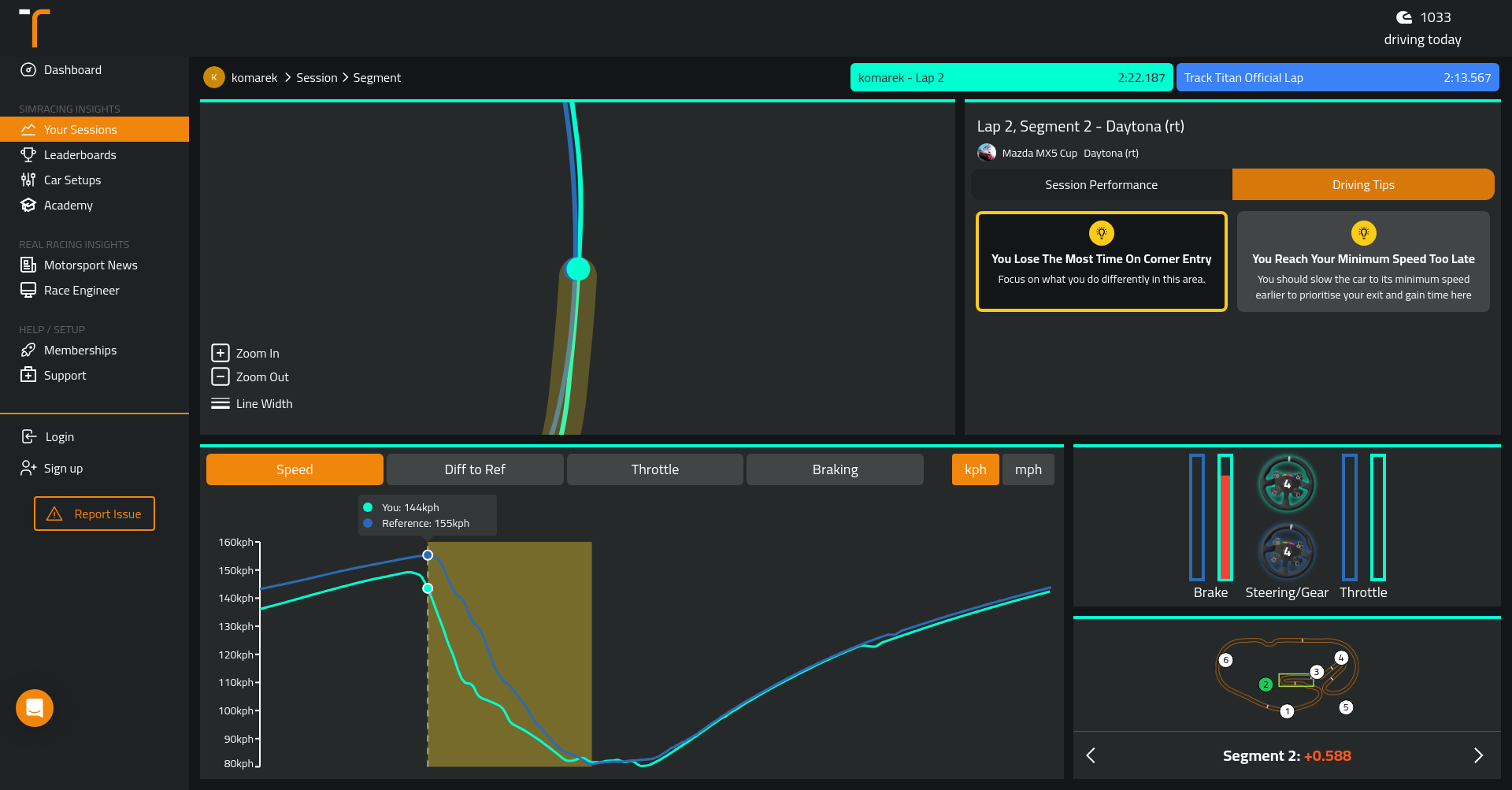
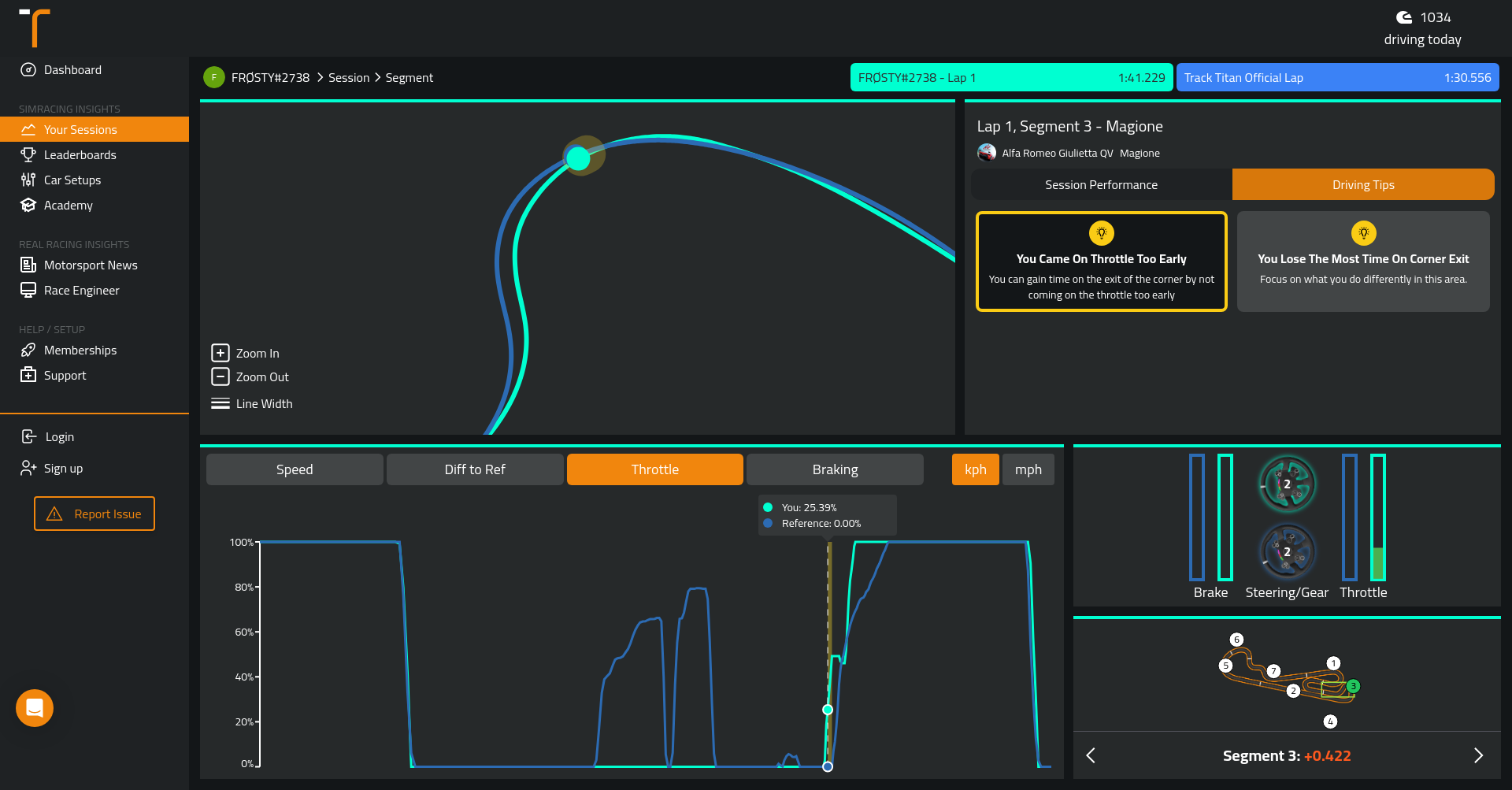
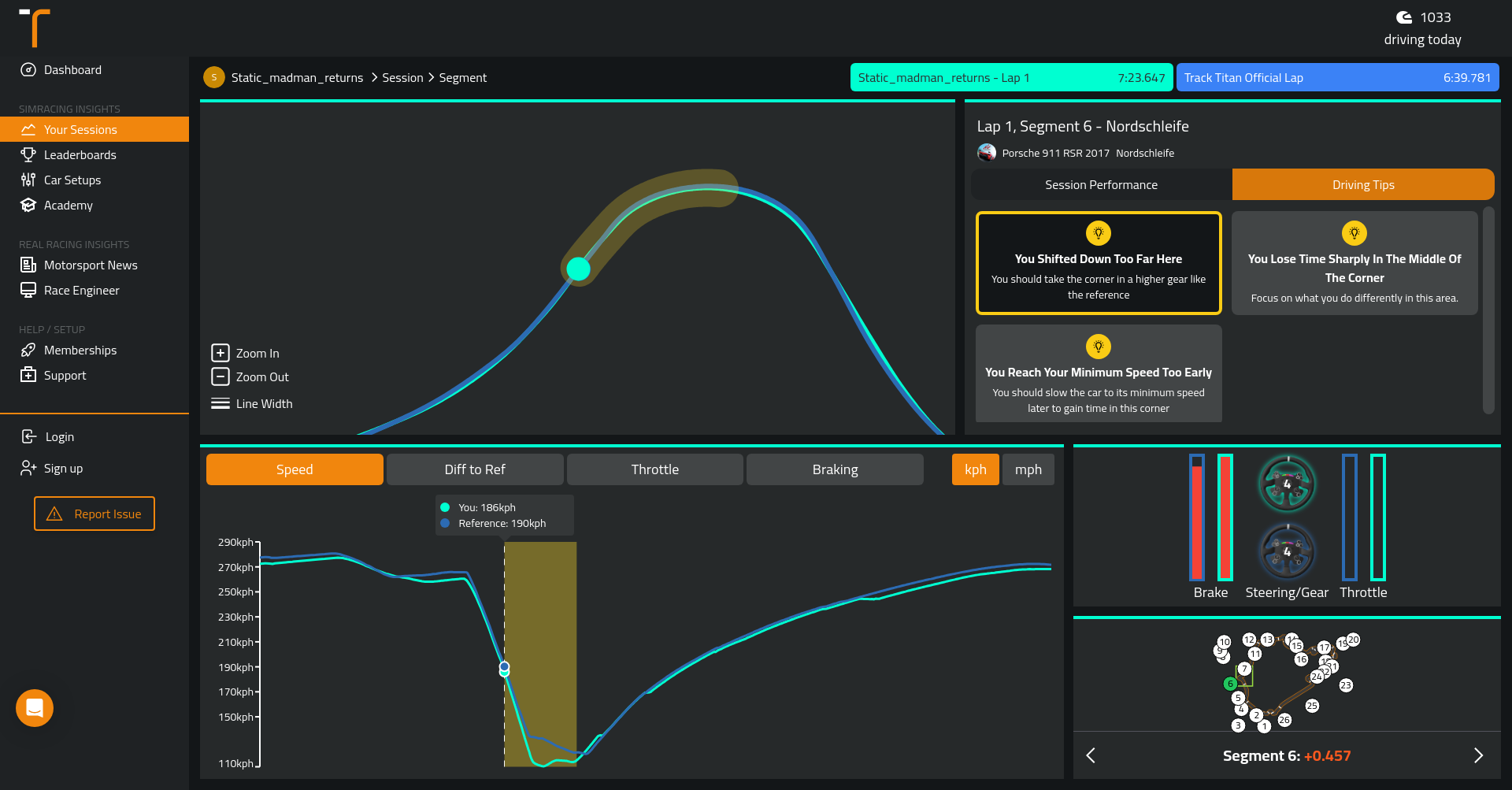
The speed chart analysis reveals that driverB is entering the corner at a lower speed than driverA, indicating a loss of momentum from the previous corner. This impacts their approach and entry into the current corner. DriverB's minimum speed is reached later than driverA's, suggesting a delay in throttle application which leads to a lower exit speed and slower acceleration curve. To enhance performance, driverB should maintain higher speeds through the corner entry and apply throttle earlier for better acceleration on exit. In contrast, driverA shows a more gradual throttle increase, hinting at possible wheelspin issues or hesitation, which can slow down exit speeds and lap times. DriverB's quicker throttle application reflects confidence in traction and vehicle control, aiding in better corner exits. DriverA's delayed full throttle engagement might be due to premature throttling leading to power modulation for control. Smoother throttle inputs and timing adjustments to mirror driverB's efficient pattern could improve driverA's lap times by ensuring better car stability before fully committing to power.
Analyzing the speed chart, it's evident that driverB is entering the corner with a lower speed compared to driverA. This can be seen at the very start of the chart, where driverB's speed is already trailing behind. This suggests that driverB exited the previous corner with less momentum, which has a cascading effect on their approach and entry into the current corner. As we progress through the corner, there's a noticeable difference in minimum speeds between the two drivers. DriverB reaches their minimum speed later than driverA, indicating a delay in getting back on the throttle. This delay results in a lower exit speed for driverB and a shallower acceleration curve compared to driverA. To improve performance, driverB should focus on carrying more speed through corner entry and optimizing their throttle application to enable earlier acceleration out of the turn.

Analyzing the throttle control chart, driverA exhibits a more gradual increase in throttle application compared to driverB. This suggests that driverA is possibly experiencing difficulty with wheelspin or is hesitant on the power, which can lead to a slower exit speed and overall lap time. DriverB, on the other hand, shows a quicker and more decisive throttle application, indicating confidence in traction and vehicle control, which can contribute to better acceleration out of corners. Furthermore, driverA's delay in reaching full throttle compared to driverB could be indicative of coming on the throttle too early and then having to modulate to maintain control. This aligns with the earlier advice that delaying throttle application slightly could result in a faster exit as it allows for better car stability before committing to full power. To improve lap times, driverA should focus on smoothing out their throttle inputs and timing their application to match that of driverB's more efficient pattern.