120,898
120K
Laps driven today

iRacing

Le Mans Ultimate

Assetto Corsa Competizione

Assetto Corsa

F1 25

Assetto Corsa EVO

Automobilista 2

Forza Motorsport

F1 24

F1 2021

F1 23

F1 2020


Lap 1
Segment 6
1:31.162
6th Feb 2024
Assetto Corsa
Mugello - Formula Hybrid 2017 - RSS

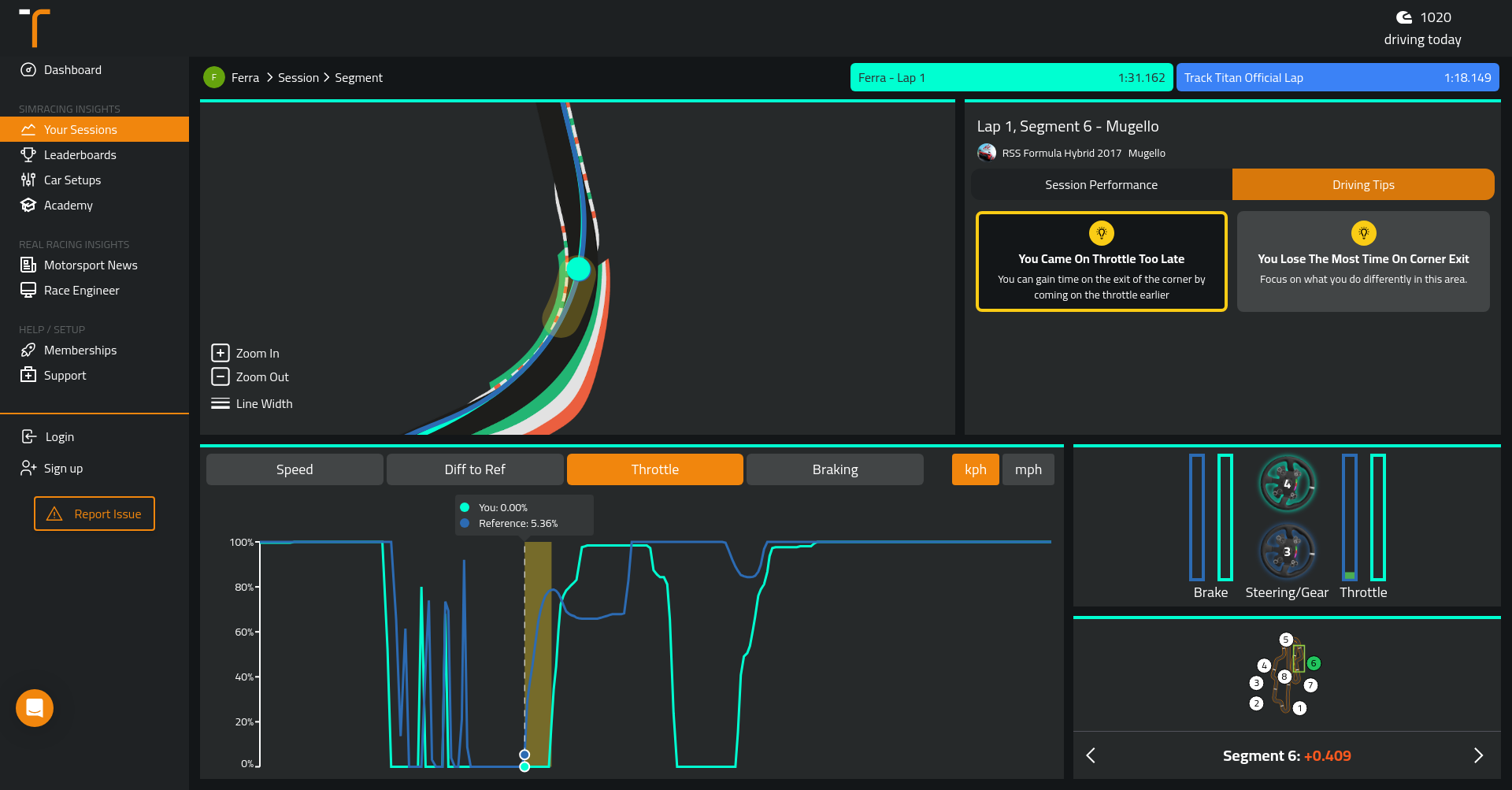
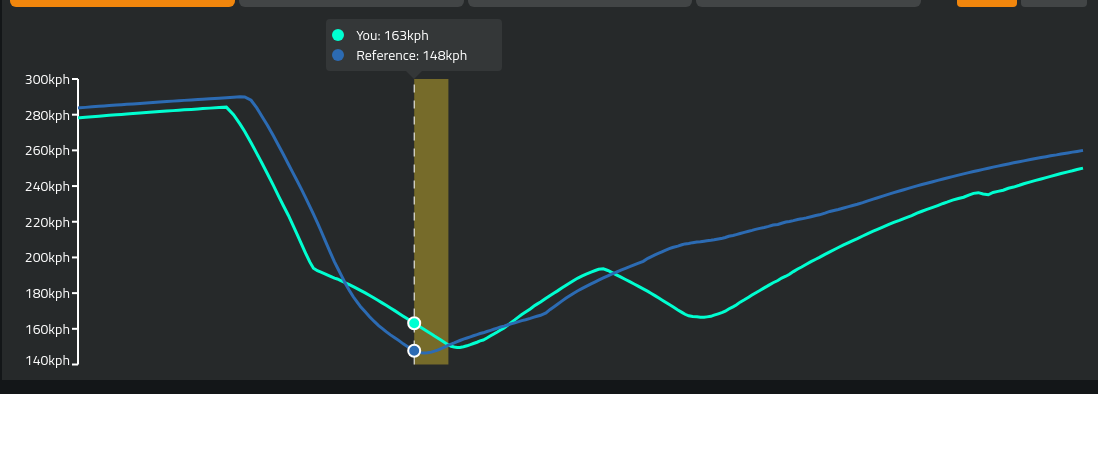
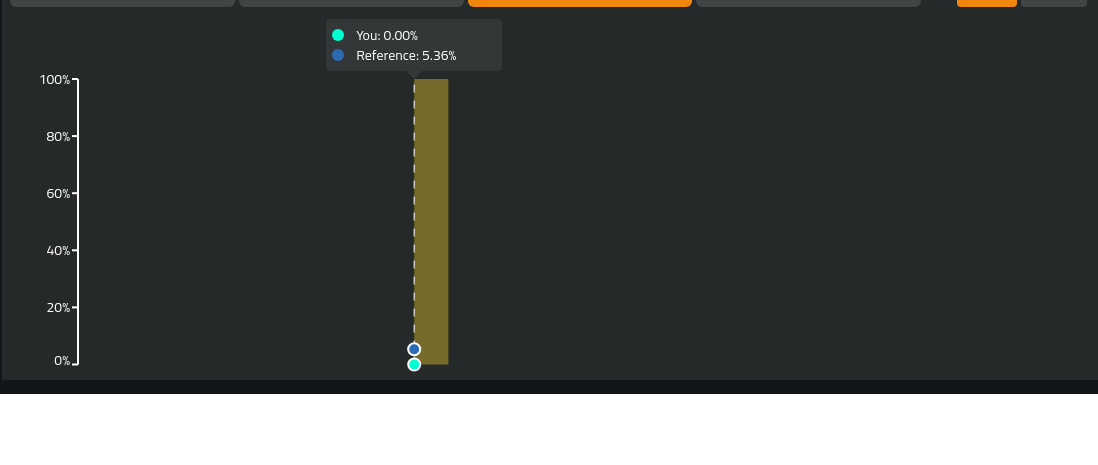
The speed chart analysis reveals that driverB enters the corner with less speed than driverA, which puts them at a disadvantage from the start. DriverB also applies the throttle later and accelerates less effectively out of the corner, as indicated by a delayed minimum speed point and a less steep speed increase on exit. To improve lap times, driverB should concentrate on applying the throttle earlier and accelerating more smoothly through and out of the corner. On the other hand, the throttle control chart shows that driverA is slower in applying throttle compared to driverB, who begins throttle application earlier, as shown by a steeper curve on the graph. This early application helps driverB maintain more speed through and out of the corner. DriverA's delayed and gradual throttle input suggests a lack of confidence or traction at corner exit, leading to lost time. For better lap times, driverA needs to focus on earlier and more decisive throttle application after the apex to maximize exit speed.
Analyzing the speed chart, it's evident that driverB is entering the corner with a lower speed compared to driverA. This can be observed at the very start of the chart where driverB's speed line is below that of driverA. This indicates that driverB has carried less speed from the previous corner into this one, which sets them up at a disadvantage right from the beginning. Furthermore, as we progress through the corner, there is a noticeable delay in throttle application from driverB. The minimum speed for driverB occurs later than for driverA, and there's a less steep increase in speed on exit for driverB. This suggests that not only did they get on the throttle later than driverA, but they also accelerated less effectively out of the corner. To improve lap times, focusing on earlier throttle application and smoother acceleration through and out of the corner will be key for driverB.

Analyzing the throttle control chart, it's evident that driverA is significantly slower in applying throttle compared to driverB. DriverB initiates throttle application much earlier, which is indicated by the steeper curve on the graph. This early application allows driverB to carry more speed through the corner exit, translating into better lap times. Furthermore, driverA's throttle application is not only delayed but also more gradual. This suggests a lack of confidence or traction at corner exit, which results in a loss of time compared to driverB's more aggressive and confident throttle input. To improve, driverA should focus on earlier and firmer throttle application post-apex to maximize exit speed and reduce lap times effectively.