122,247
122K
Laps driven today

iRacing

Le Mans Ultimate

Assetto Corsa Competizione

Assetto Corsa

F1 25

Assetto Corsa EVO

Automobilista 2

Forza Motorsport

F1 24

F1 2021

F1 23

F1 2020


Lap 1
Segment 3
1:41.229
6th Feb 2024
Assetto Corsa
Magione - Alfa Romeo Giulietta QV

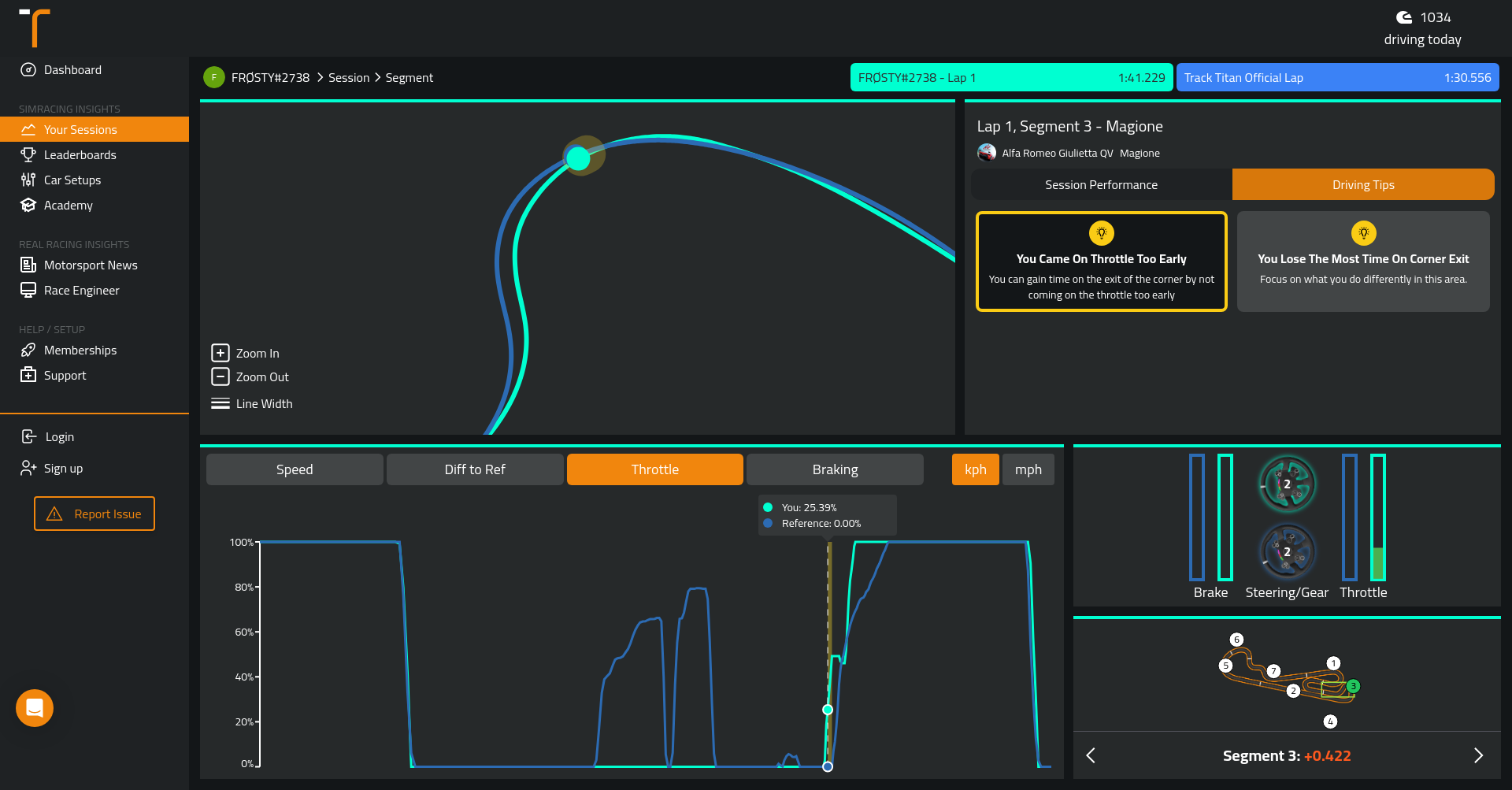
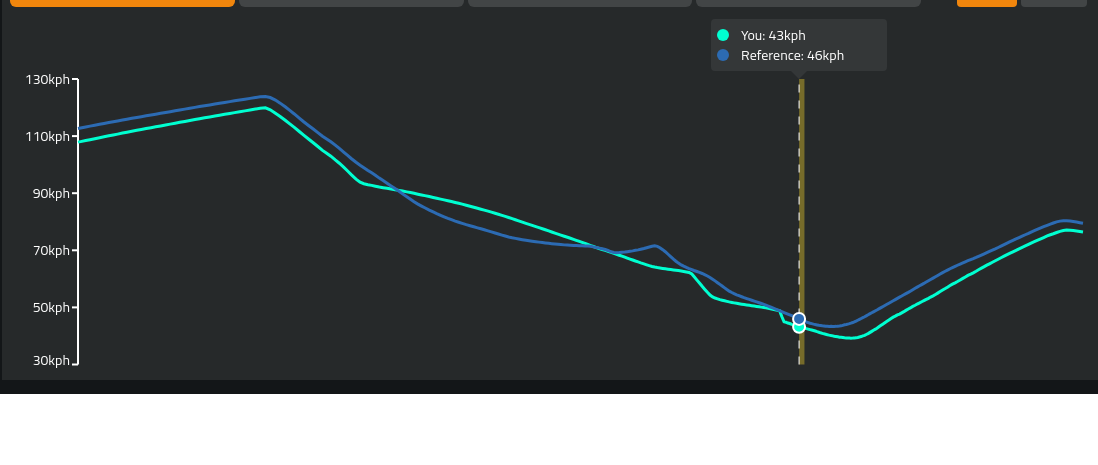
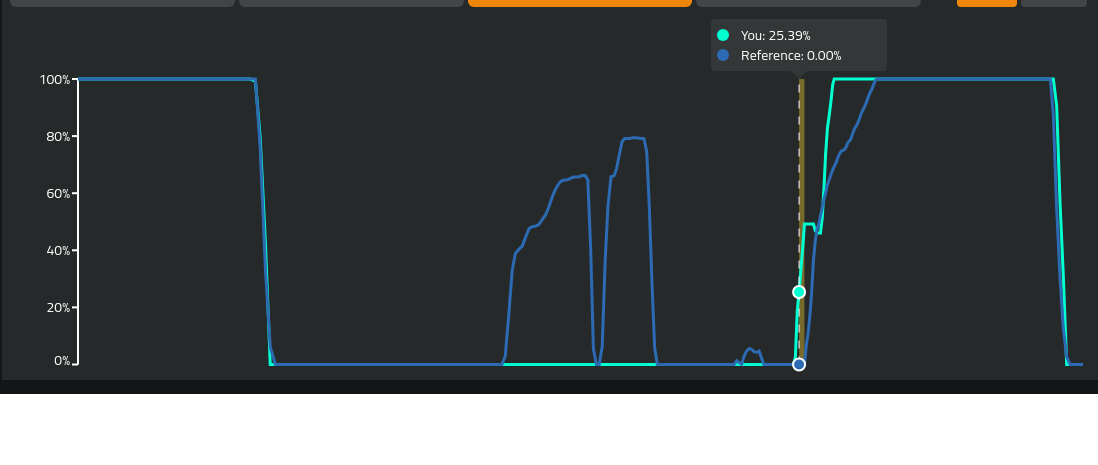
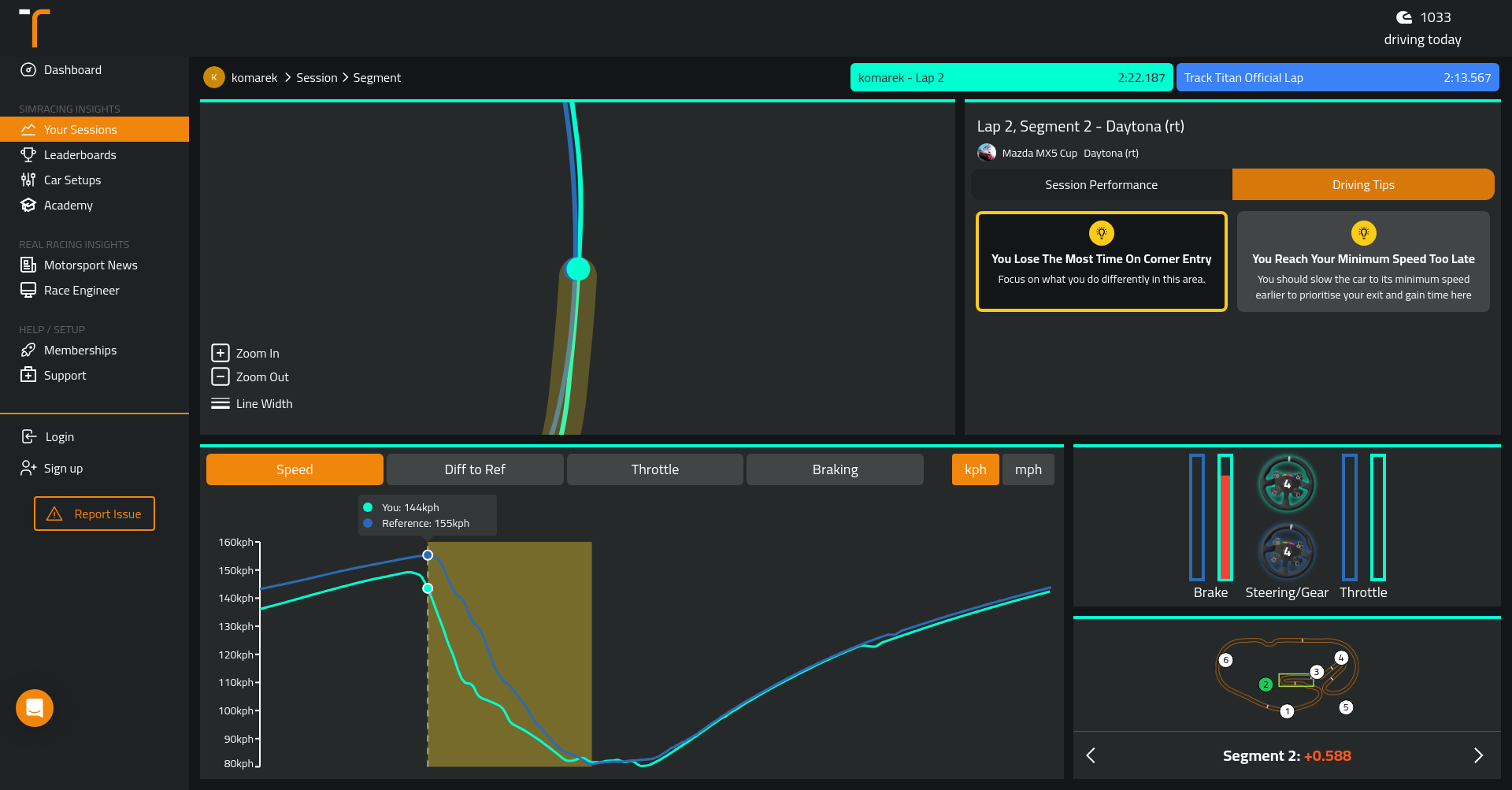
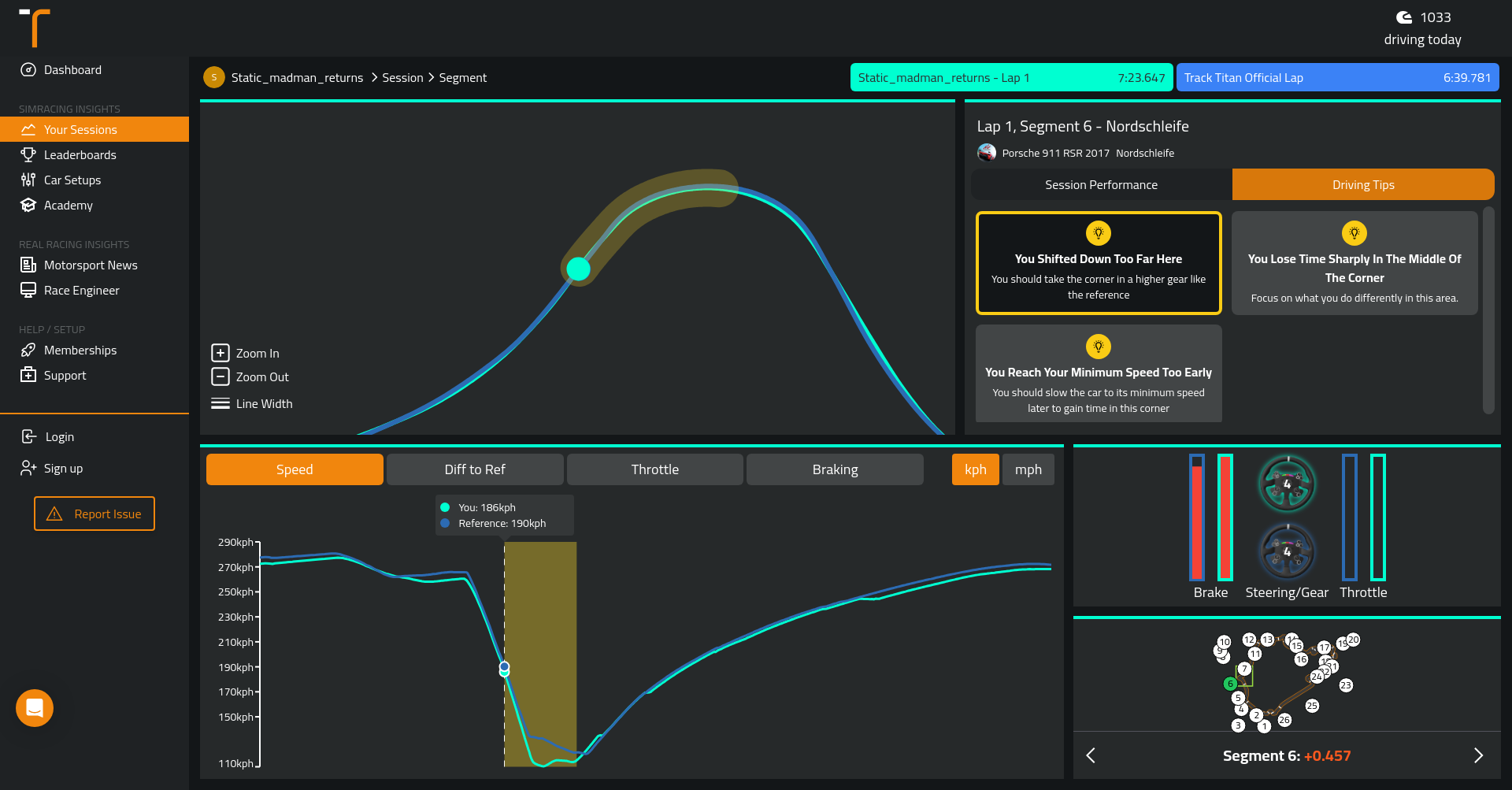
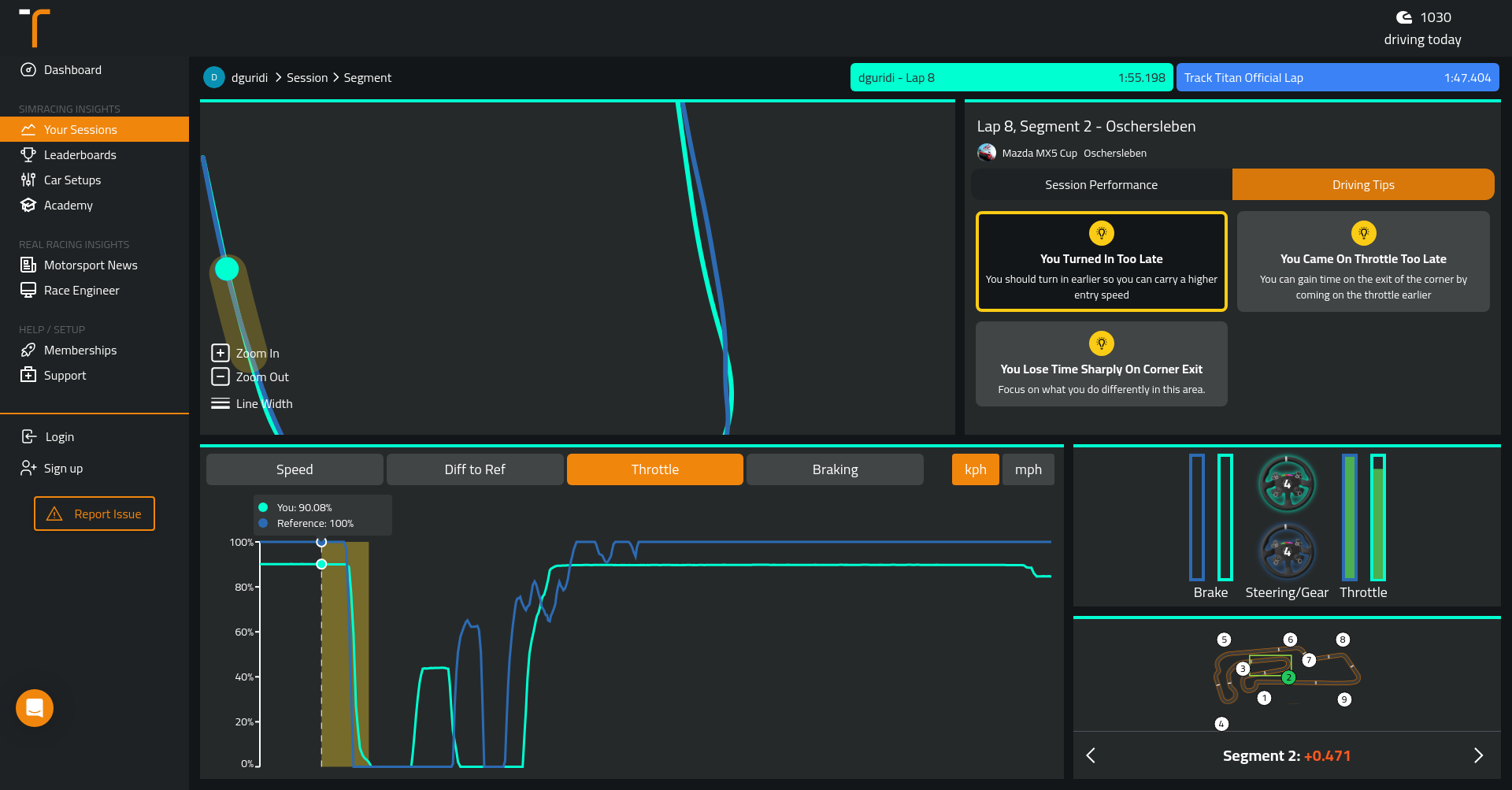
The speed chart analysis reveals that driverB is slower at the apex of the corner and accelerates later than driverA, resulting in a lower exit speed. DriverB's gradual increase in speed post-apex suggests a less effective acceleration compared to driverA's steeper curve. To enhance lap times, driverB should delay throttle application for better traction and a more powerful exit, aiming for an earlier and steeper acceleration curve like driverA. In contrast, the throttle control chart shows that while driverA applies throttle earlier than driverB, the application is too gradual, potentially not making full use of available traction. This cautious approach leads to a loss of time on corner exit due to slower acceleration. DriverA should consider delaying throttle application slightly but then apply it more decisively to improve traction management and achieve a faster corner exit. By doing so, driverA could better utilize the car's acceleration capabilities and improve overall lap times.
Analyzing the speed chart, it's evident that driverB is losing significant time on corner exit compared to driverA. Initially, both drivers enter the corner with a similar speed, but driverB's minimum speed is reached later than driverA's. This indicates that driverB is slower at the apex and consequently gets on the throttle later than driverA. The impact of this is a delayed acceleration out of the corner for driverB, which results in a lower exit speed compared to driverA. Furthermore, the gradient of driverB's speed increase post-apex is less steep than that of driverA, suggesting that not only did driverB get on the throttle later but also did not accelerate as effectively as driverA. To improve lap times, focus should be placed on delaying throttle application slightly to ensure better traction and a more powerful exit. This would align with achieving higher speeds earlier during corner exit and maintaining a steeper acceleration curve similar to that of driverA.

Analyzing the throttle control chart, it's evident that driverA and driverB have distinct differences in their throttle application exiting the corner. DriverA applies the throttle in a more gradual manner, which suggests a cautious approach to power delivery. This is likely causing a loss of time on corner exit as the car isn't being accelerated as quickly as possible. In contrast, driverB applies the throttle more aggressively and reaches full application sooner, indicating confidence in the car's grip and a desire to maximize exit speed. The timing of throttle application is critical; driverA begins to apply throttle earlier than driverB but does so much more slowly. This early application could be leading to underutilization of available traction and consequently a slower exit speed. To improve lap times, driverA should focus on delaying throttle application slightly but then applying it more decisively. This would allow for better traction management and potentially a faster corner exit, capitalizing on the car's acceleration capabilities more effectively.