122,247
122K
Laps driven today

iRacing

Le Mans Ultimate

Assetto Corsa Competizione

Assetto Corsa

F1 25

Assetto Corsa EVO

Automobilista 2

Forza Motorsport

F1 24

F1 2021

F1 23

F1 2020


Lap 8
Segment 2
1:55.198
7th Feb 2024
Assetto Corsa
Oschersleben - Mazda MX5 Cup

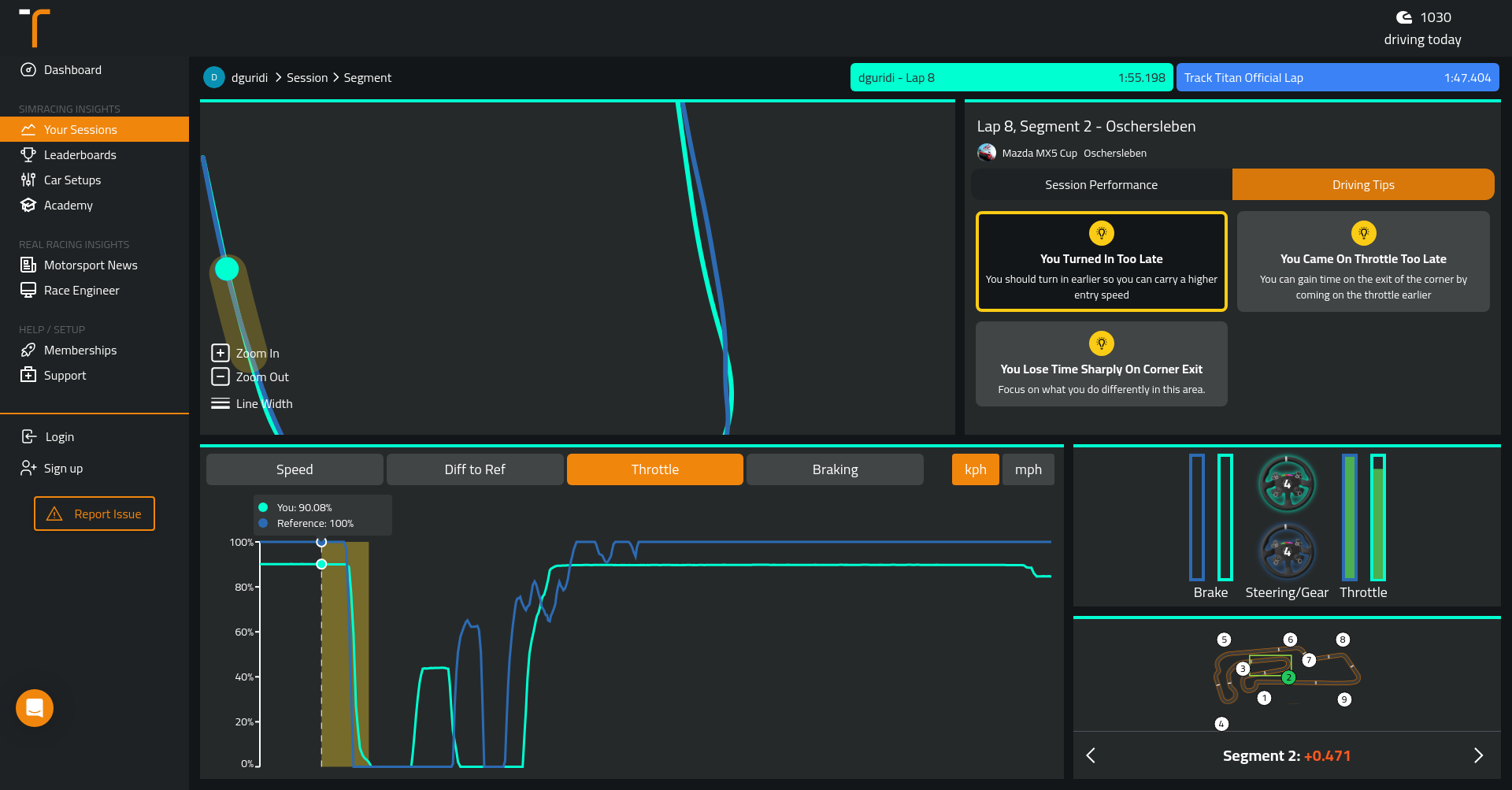
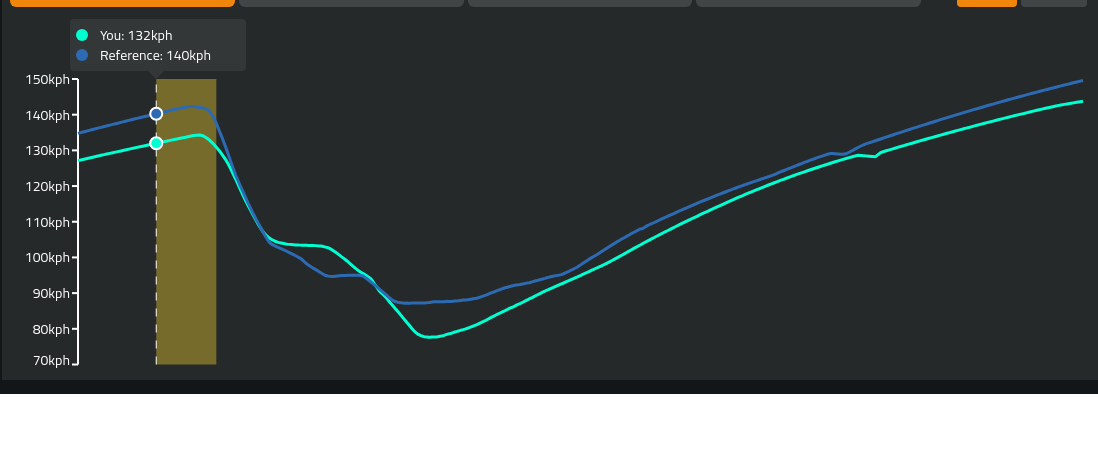
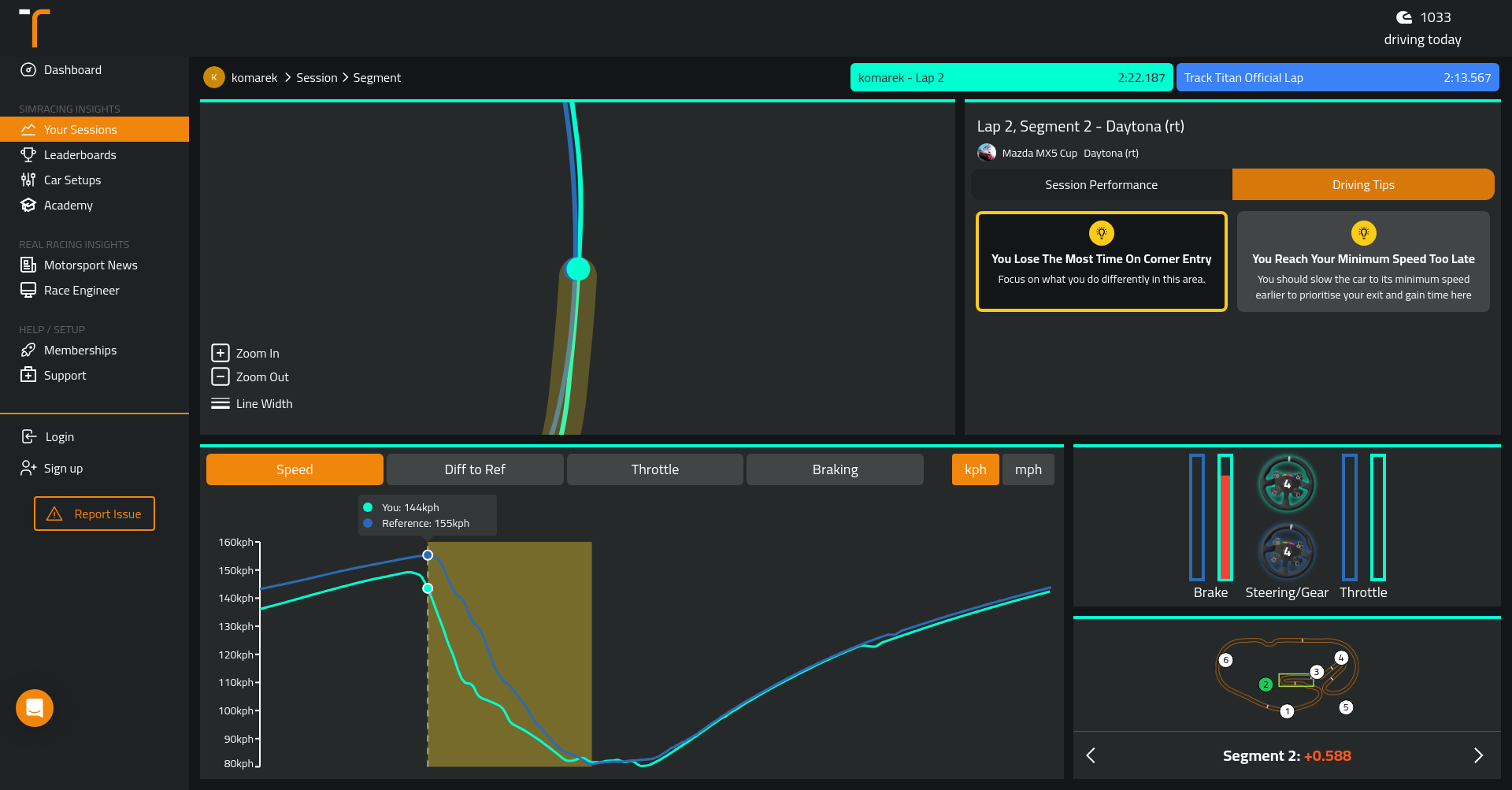
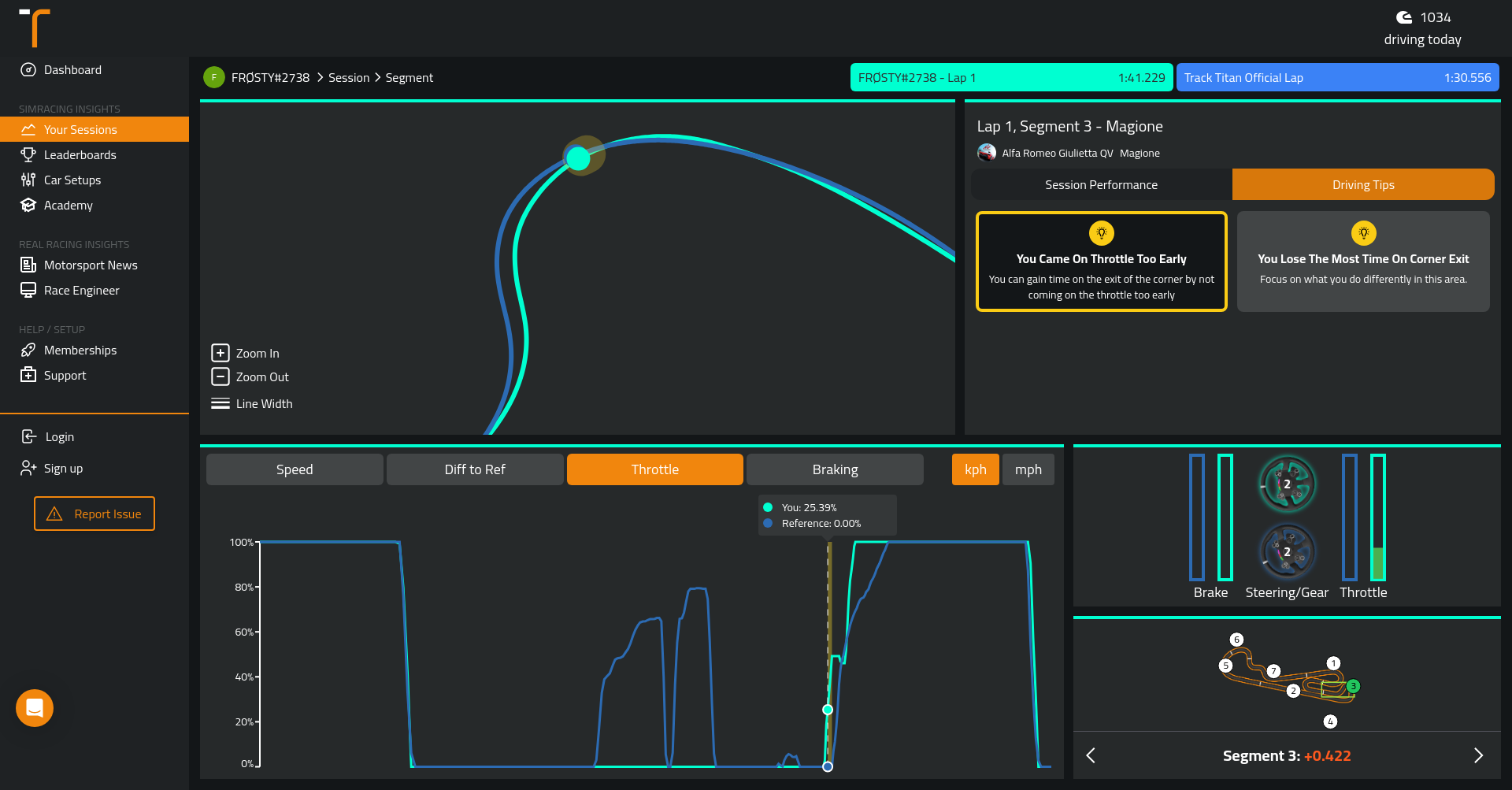
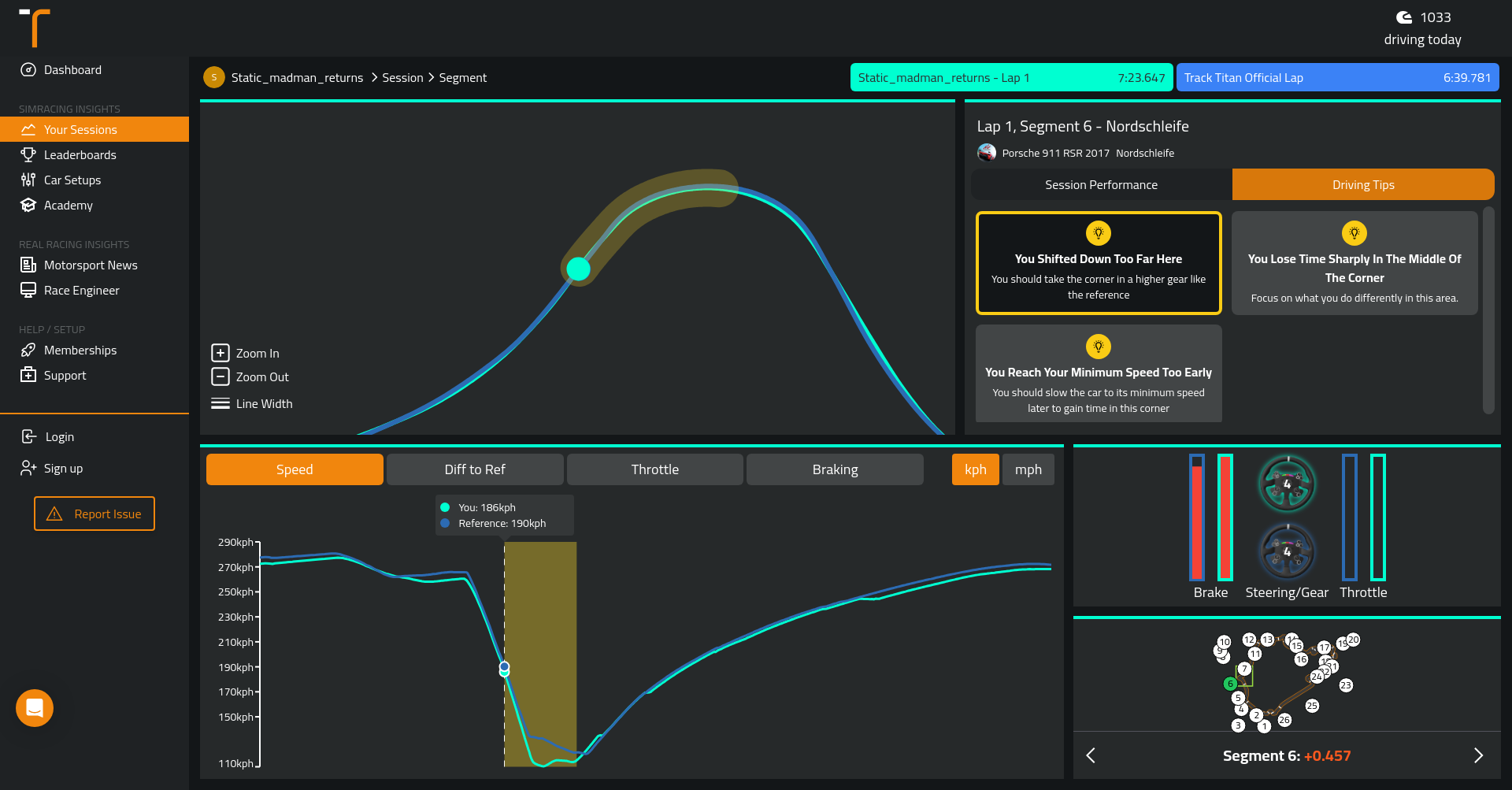
The speed chart analysis reveals that driverB enters the corner with a lower speed than driverA, due to less momentum from the previous corner. This slower entry sets a sluggish pace for the entire corner, resulting in lost time. DriverB also applies the throttle later than driverA, leading to a sharper speed decline on exit and a less steep increase post-corner. To improve performance, driverB should carry more speed at the start of the corner and apply throttle earlier to enhance exit speed. In terms of throttle control, driverA is slower and more gradual in applying throttle compared to driverB's prompt and assertive approach. This delay leads to potential loss of exit speed and increased lap times for driverA. Additionally, driverA's erratic throttle inputs suggest difficulty in managing wheelspin or reluctance in acceleration commitment. For better lap times, driverA needs to focus on an earlier and smoother throttle application to maintain momentum and optimize corner exit speed.
Analyzing the speed chart, it's evident that driverB enters the corner at a significantly lower speed compared to driverA. This discrepancy starts right at the beginning of the chart, indicating that driverB exited the previous corner with less momentum. The lower entry speed negatively impacts the overall time through this section as it sets a slower pace for navigating the corner. Furthermore, driverB's minimum speed in the corner occurs later than driverA's, suggesting a delayed throttle application. This delay is also reflected in the sharper decline in speed on corner exit for driverB. The gradient of driverB's speed increase post-corner is less steep compared to driverA, confirming a later return to throttle and consequently a loss of time as they exit the corner. To improve, driverB should focus on carrying more speed through the initial phase of the corner and work on an earlier throttle application to maximize exit speed.

In the provided throttle control analysis, there is a clear distinction between the throttle application of driverA and driverB. DriverA exhibits a delayed and gradual increase in throttle application compared to driverB, who applies the throttle more promptly and assertively. This indicates that driverA is coming on the throttle too late, which correlates with a loss of potential exit speed and subsequently time on track. Moreover, driverB's smooth and rapid increase in throttle suggests better traction control and confidence in the vehicle's handling at corner exit. In contrast, driverA's jagged throttle input points to difficulty managing wheelspin or hesitation in fully committing to acceleration. To improve lap times, driverA should focus on earlier throttle application with smoother inputs to maintain momentum and maximize exit speed from the corner.