122,247
122K
Laps driven today

iRacing

Le Mans Ultimate

Assetto Corsa Competizione

Assetto Corsa

F1 25

Assetto Corsa EVO

Automobilista 2

Forza Motorsport

F1 24

F1 2021

F1 23

F1 2020


Lap 8
Segment 6
1:46.932
6th Feb 2024
Assetto Corsa Competizione
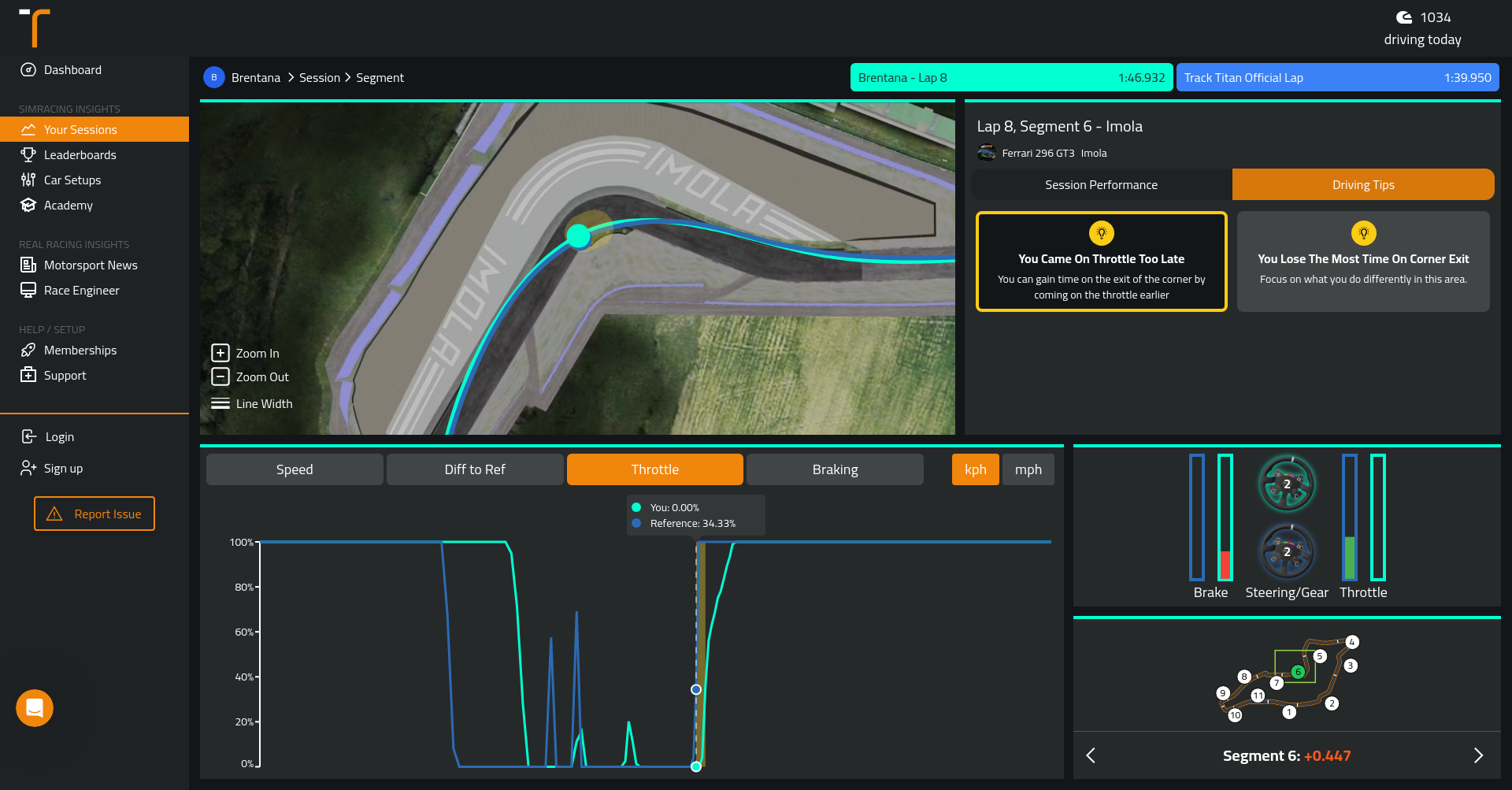
Imola - Ferrari 296 GT3

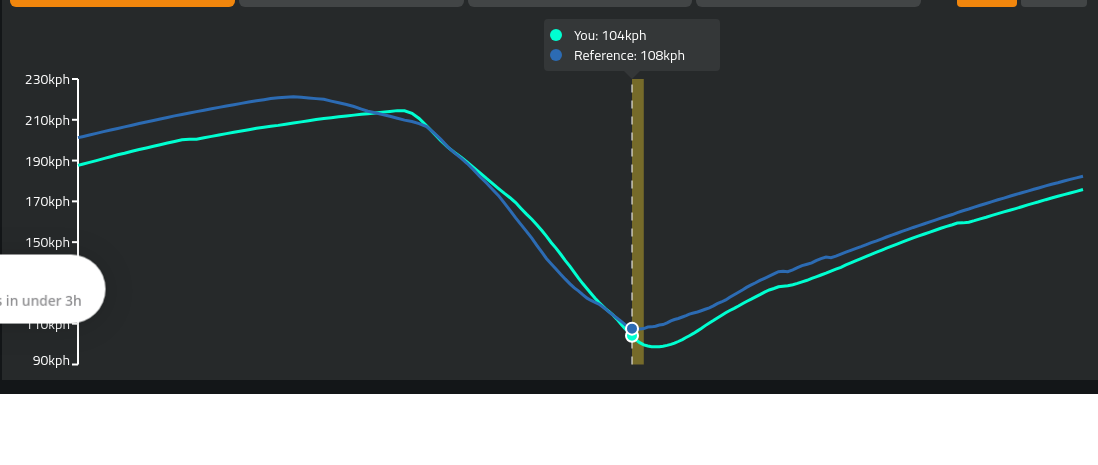
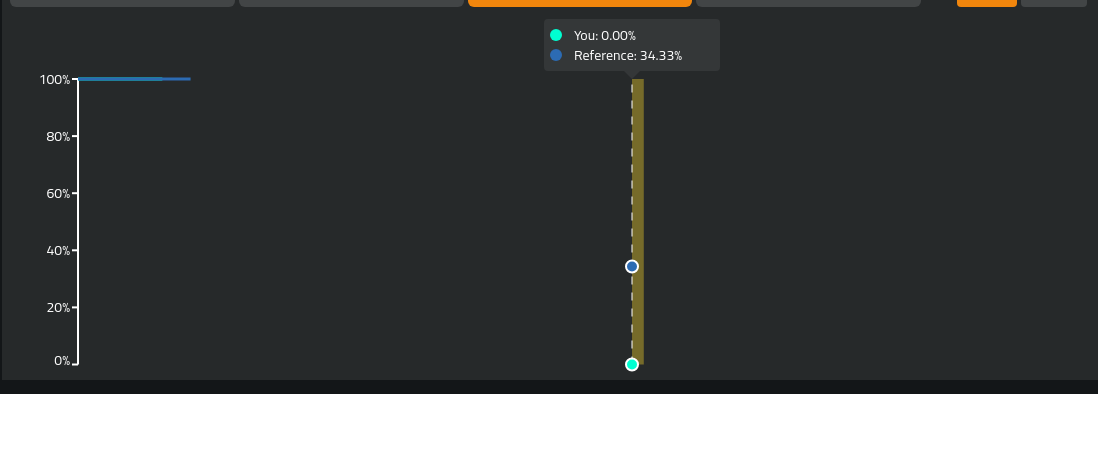
The analysis of the speed chart reveals that driverB is entering the corner at a lower speed than driverA, likely due to less momentum from the previous corner. This slower entry speed affects the entire cornering phase, as driverB's minimum speed occurs later, indicating a delayed throttle application. To improve lap times, driverB should focus on applying the throttle earlier after reaching the minimum corner speed to enhance exit velocity. On the other hand, driverA is applying full throttle later than driverB, who applies power earlier and more aggressively. This early throttle application by driverB results in better acceleration and a higher exit speed, which is advantageous on the following straight. DriverA's gradual throttle intensity contrasts with driverB's quick transition to full power. For driverA to reduce lap times, it is essential to apply the throttle earlier and more decisively, especially on corner exits where significant time can be lost or gained.
Analyzing the speed chart, it's evident that driverB is entering the corner with a lower speed compared to driverA. This discrepancy begins right at the start of the chart, indicating that driverB exited the previous corner with less momentum. This initial speed deficit sets a challenging precedent for the rest of the corner as it compounds any subsequent time lost due to slower cornering speeds. Furthermore, as we focus on the exit phase of the corner, driverB's minimum speed occurs noticeably later than that of driverA, which suggests a delayed throttle application. This delay is detrimental as it leads to a lower exit speed for driverB and a less steep acceleration gradient compared to driverA. To improve lap times, driverB should concentrate on earlier throttle application after reaching the minimum corner speed to maximize exit velocity and reduce time lost in this critical phase of the corner.

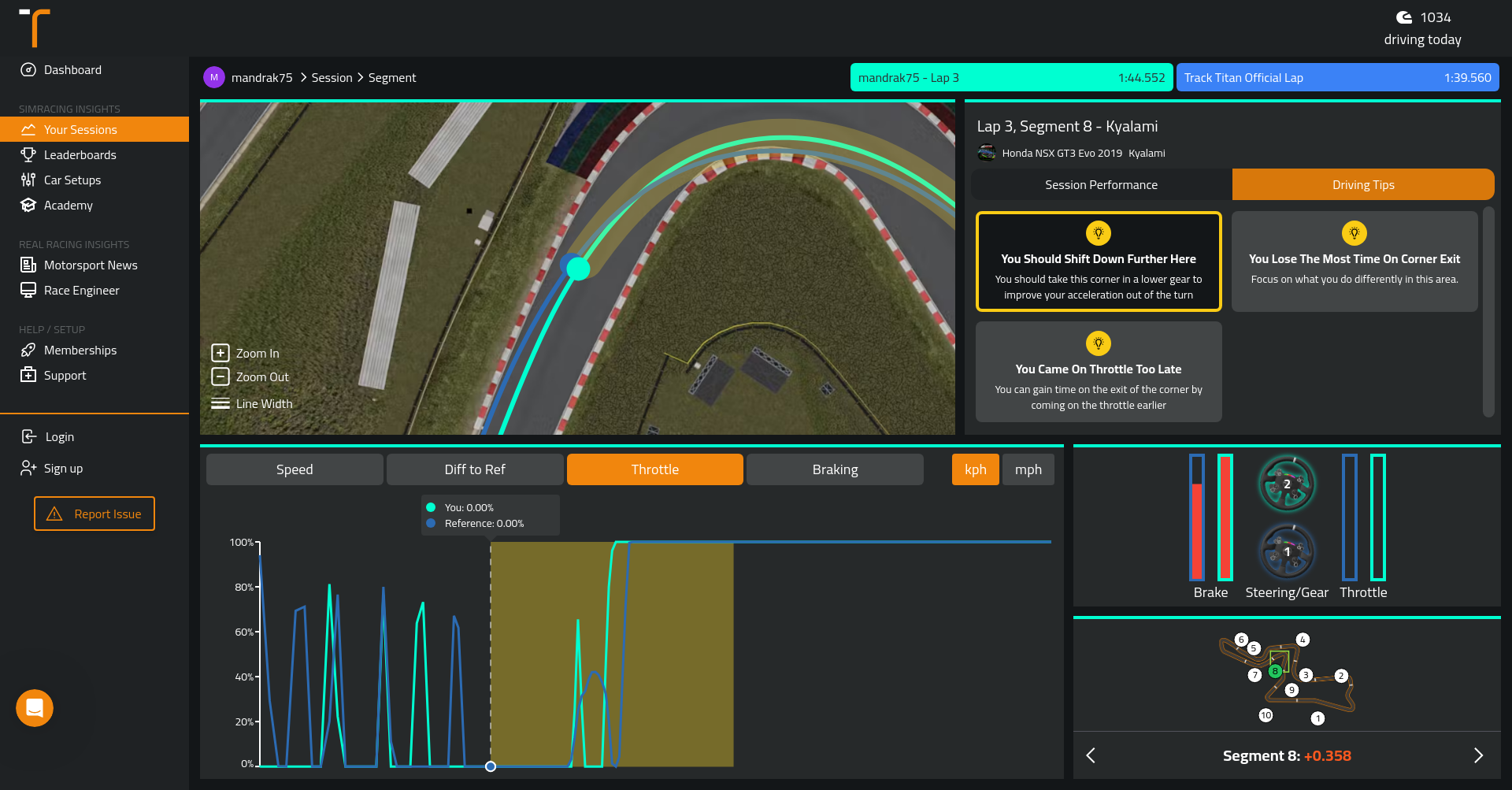
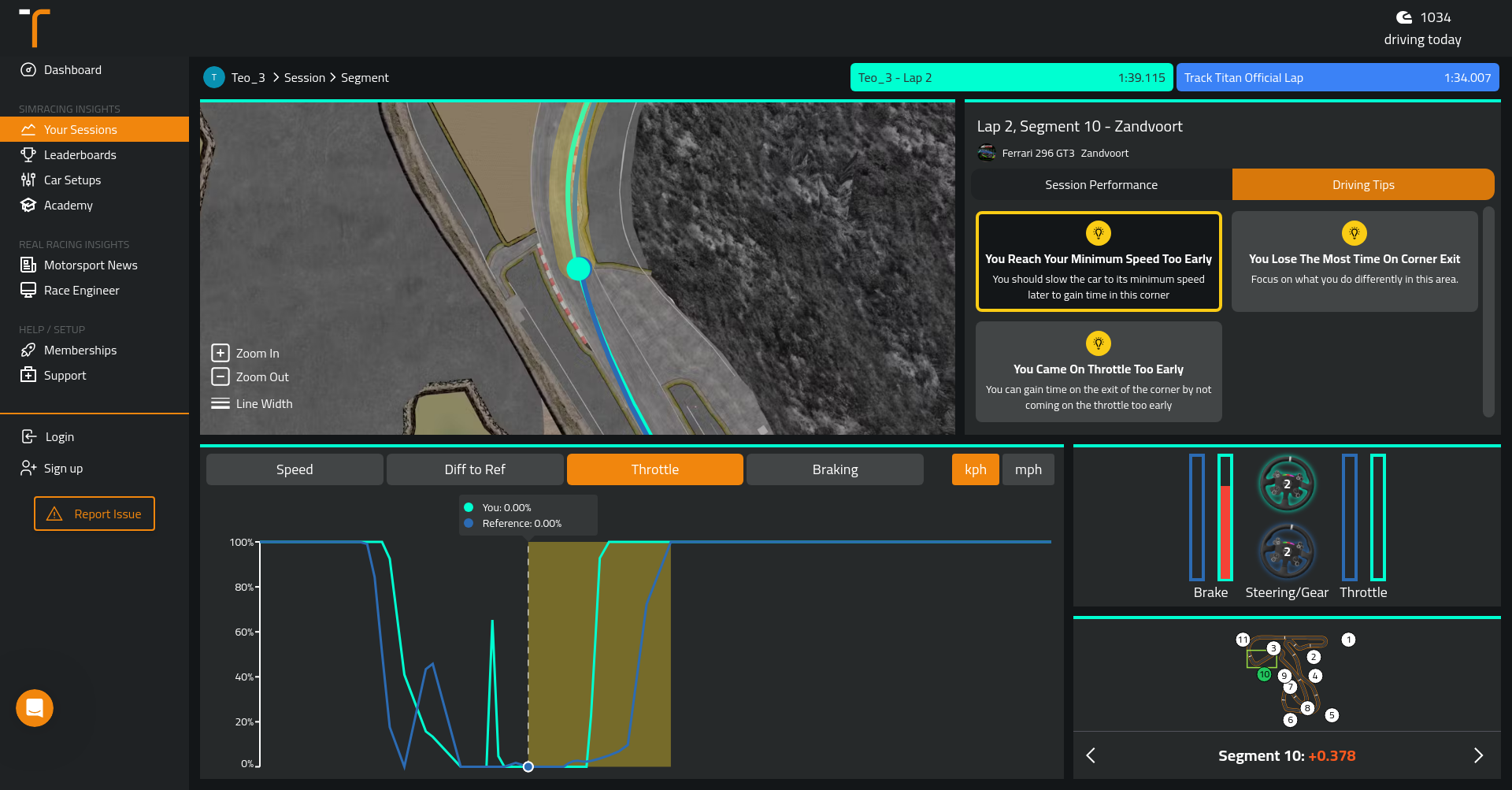
Upon examining the throttle control chart, it's evident that driverA is significantly later in applying full throttle compared to driverB. DriverB reaches full throttle much earlier, which suggests a more confident and aggressive exit from the corner. This early application of power by driverB likely contributes to better acceleration and a higher exit speed, which translates into time gained down the following straight. Additionally, the intensity of driverA's throttle application is more gradual and less decisive than that of driverB. DriverB's sharp increase to full throttle indicates a quicker transition from partial to full power, which helps maintain momentum and minimize time lost. For driverA to improve, focusing on applying the throttle earlier and with more conviction will be crucial in reducing lap times, particularly on corner exits where most time is being lost.