114,324
114K
Laps driven today

iRacing

Le Mans Ultimate

Assetto Corsa Competizione

Assetto Corsa

F1 25

Assetto Corsa EVO

Automobilista 2

Forza Motorsport

F1 24

F1 2021

F1 23

F1 2020


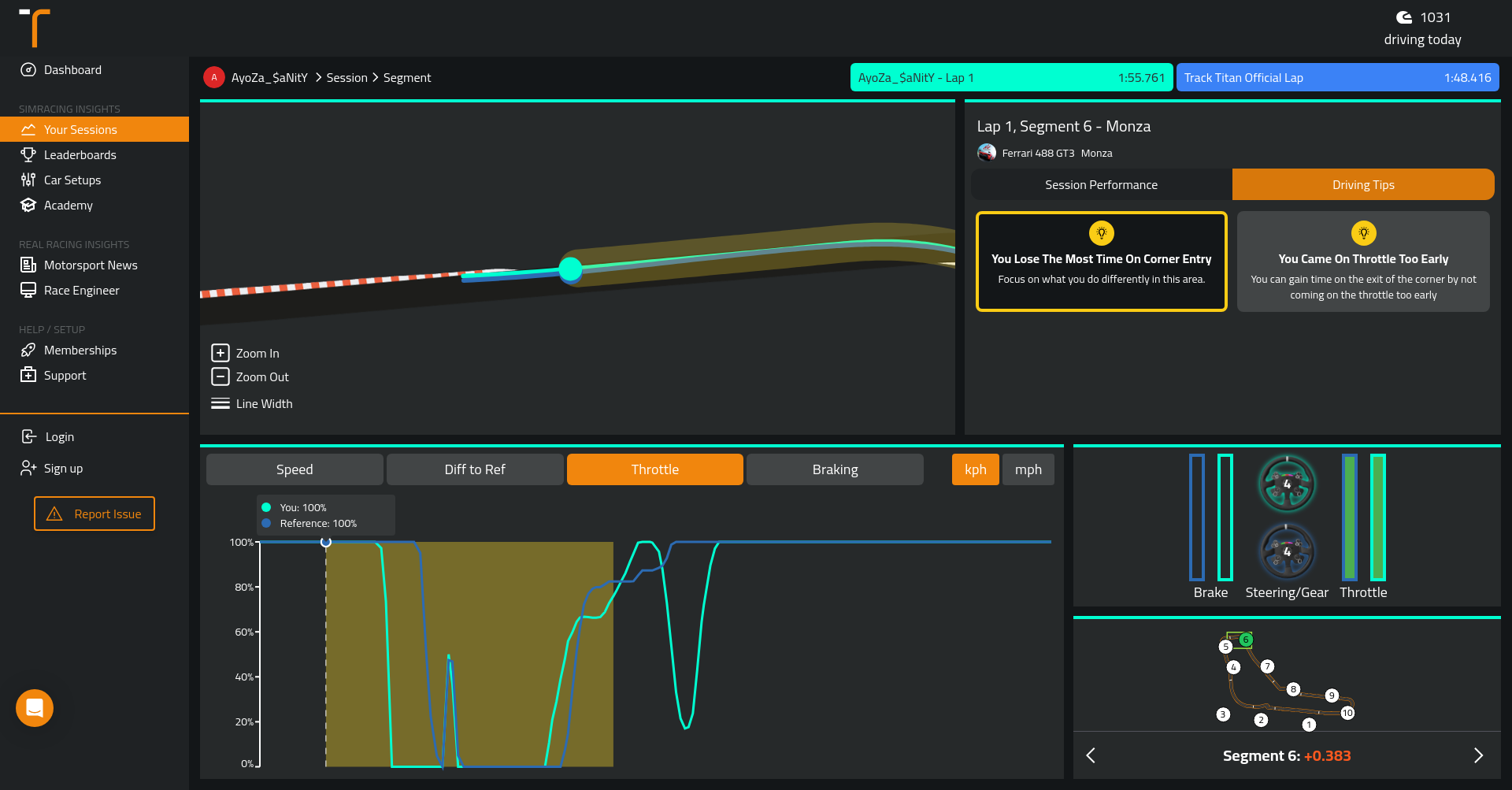
Lap 1
Segment 6
1:55.761
6th Feb 2024
Assetto Corsa
Monza - Ferrari 488 GT3

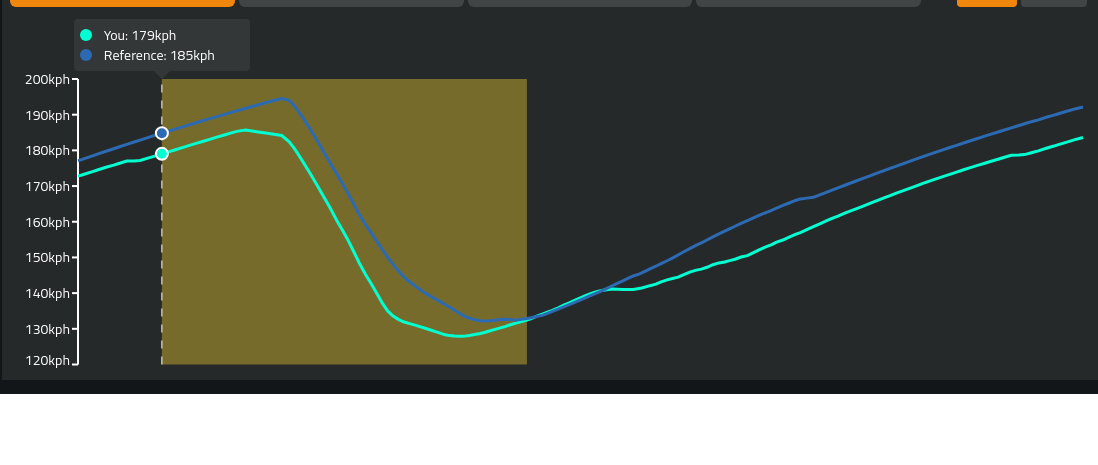
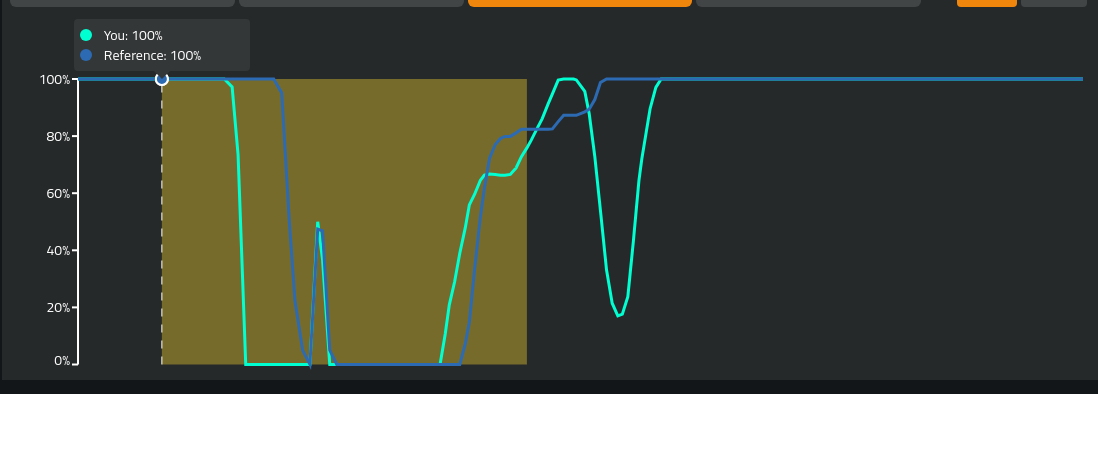
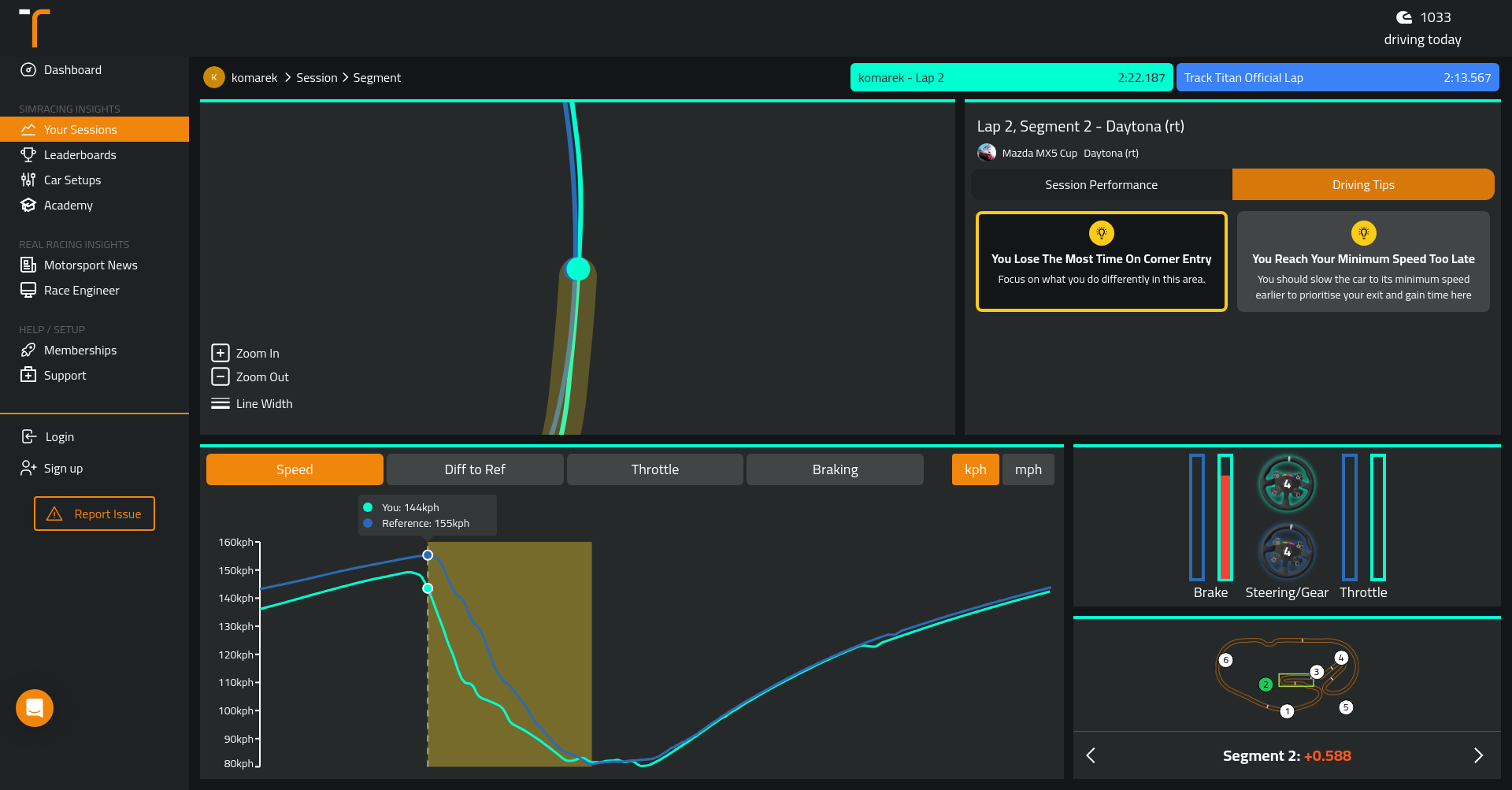
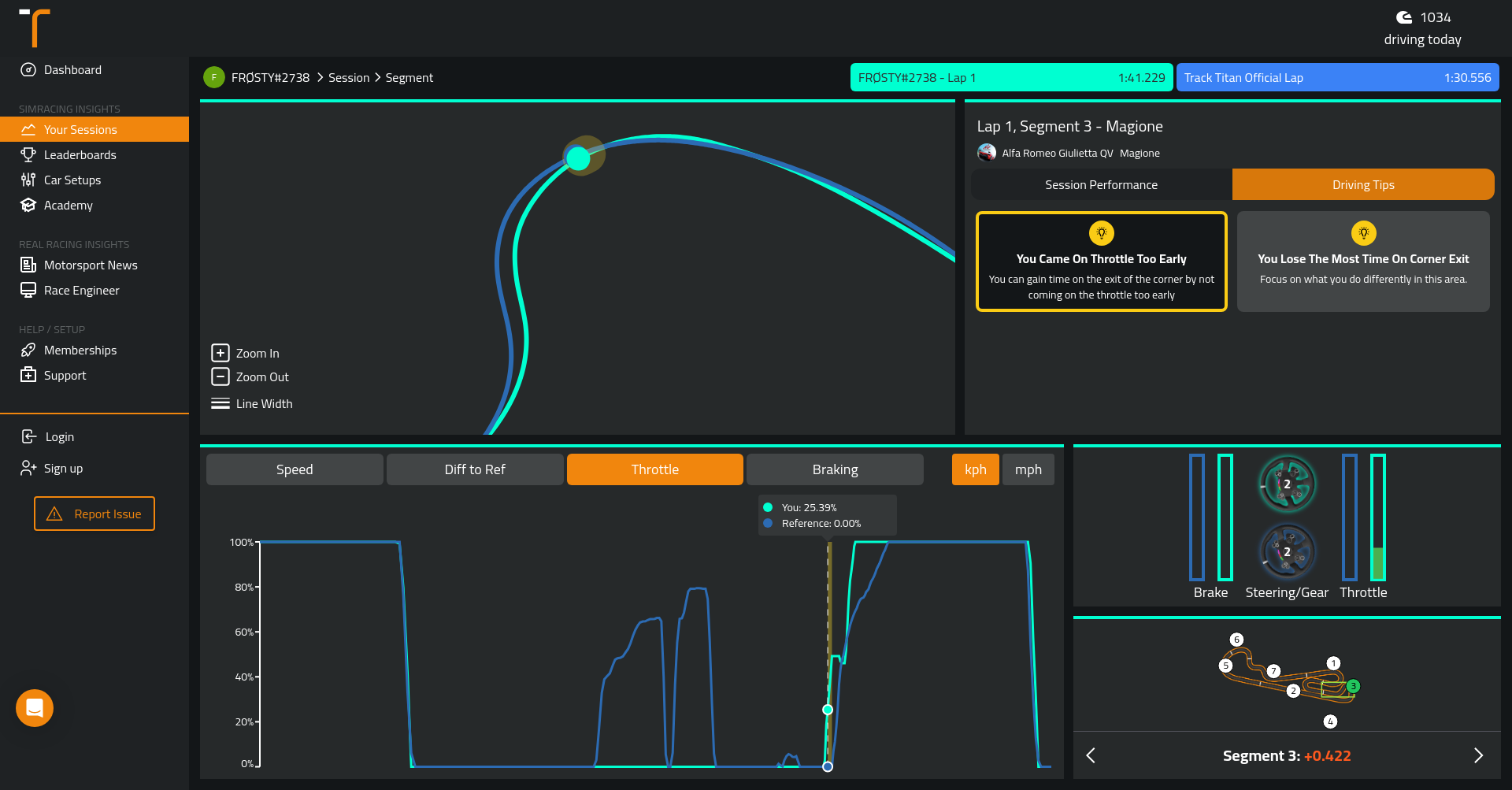
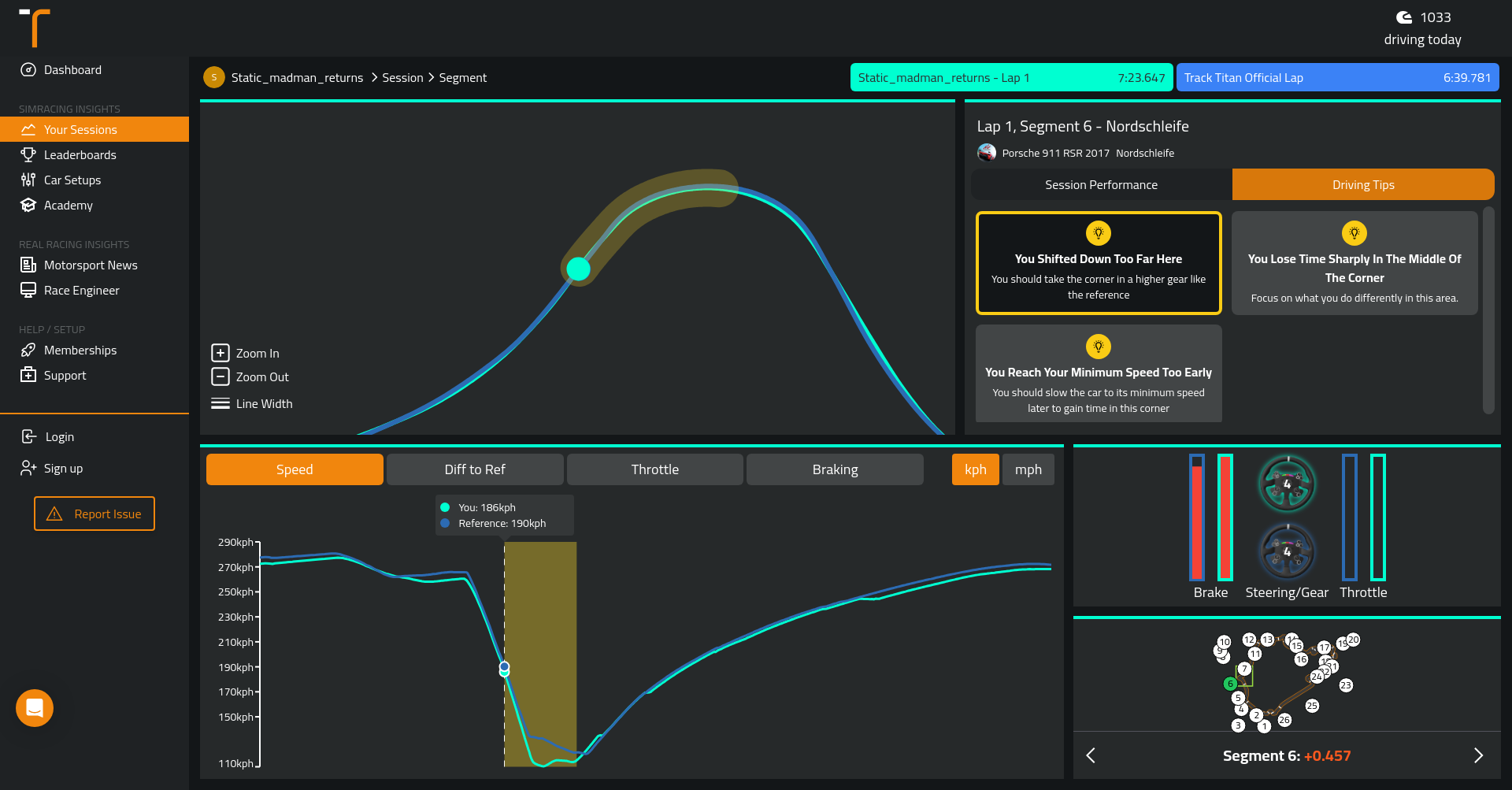
The speed chart analysis reveals that driverB is entering corners at a lower speed than driverA, due to a slower exit from the previous corner. This results in a consistent time loss from the start, as driverB's minimum speed within the corner is also lower and occurs later than driverA's. The slower increase in speed post-apex for driverB suggests inefficient throttle application, leading to a weaker exit onto the straight. To enhance lap times, driverB should focus on maintaining higher entry speeds and optimizing throttle application for a more effective exit. On the other hand, throttle control analysis shows that driverA applies the throttle gradually, indicating caution to prevent wheelspin or maintain control. In contrast, driverB applies the throttle aggressively and quickly, demonstrating confidence in acceleration out of corners. DriverA's cautious approach results in time loss compared to driverB's assertive engagement. For improved performance, driverA should apply the throttle earlier and more decisively to increase exit speeds from corners and achieve better lap times. Overall, both drivers have distinct areas for improvement: driverB needs to work on carrying more speed through corners and optimizing acceleration on exits, while driverA should focus on more confident and timely throttle application to maximize corner exits.
Analyzing the speed chart, it's evident that driverB is entering the corner at a significantly lower speed compared to driverA. This discrepancy starts right at the beginning of the chart, indicating that driverB has exited the previous corner with less momentum. This initial speed deficit carries through to the corner entry, where driverB continues to lose time due to a slower approach. Furthermore, looking at the minimum speeds within the corner, driverB's minimum speed is lower than that of driverA and occurs later in the corner. This suggests that driverB is delaying their acceleration out of the turn, which compounds their time loss as they exit onto the straight. The gradient of driverB's speed increase post-apex is also less steep compared to driverA's, indicating a less effective throttle application and a subsequent loss in potential exit speed. To improve lap times, driverB should focus on carrying more speed through corner entry and optimizing their throttle application for a stronger exit.

In the provided throttle control analysis, driverA and driverB exhibit distinct differences in their throttle application. DriverA applies the throttle in a more gradual manner, as indicated by the slower increase on the chart. This suggests a cautious approach to acceleration, potentially to manage wheelspin or maintain control of the vehicle. Conversely, driverB's throttle application is more aggressive and immediate, showing a quick increase which points to confident acceleration out of the corner. The timing of throttle application is critical; driverA's delayed and gentle application likely results in a loss of time compared to driverB's rapid engagement. To improve performance, driverA should focus on applying the throttle earlier and with more conviction, closely mirroring driverB's approach. This change could lead to improved exit speed from corners and better overall lap times.