114,324
114K
Laps driven today

iRacing

Le Mans Ultimate

Assetto Corsa Competizione

Assetto Corsa

F1 25

Assetto Corsa EVO

Automobilista 2

Forza Motorsport

F1 24

F1 2021

F1 23

F1 2020


Lap 5
Segment 6
1:40.012
6th Feb 2024
Assetto Corsa Competizione
Zandvoort - BMW M4 GT3 2022

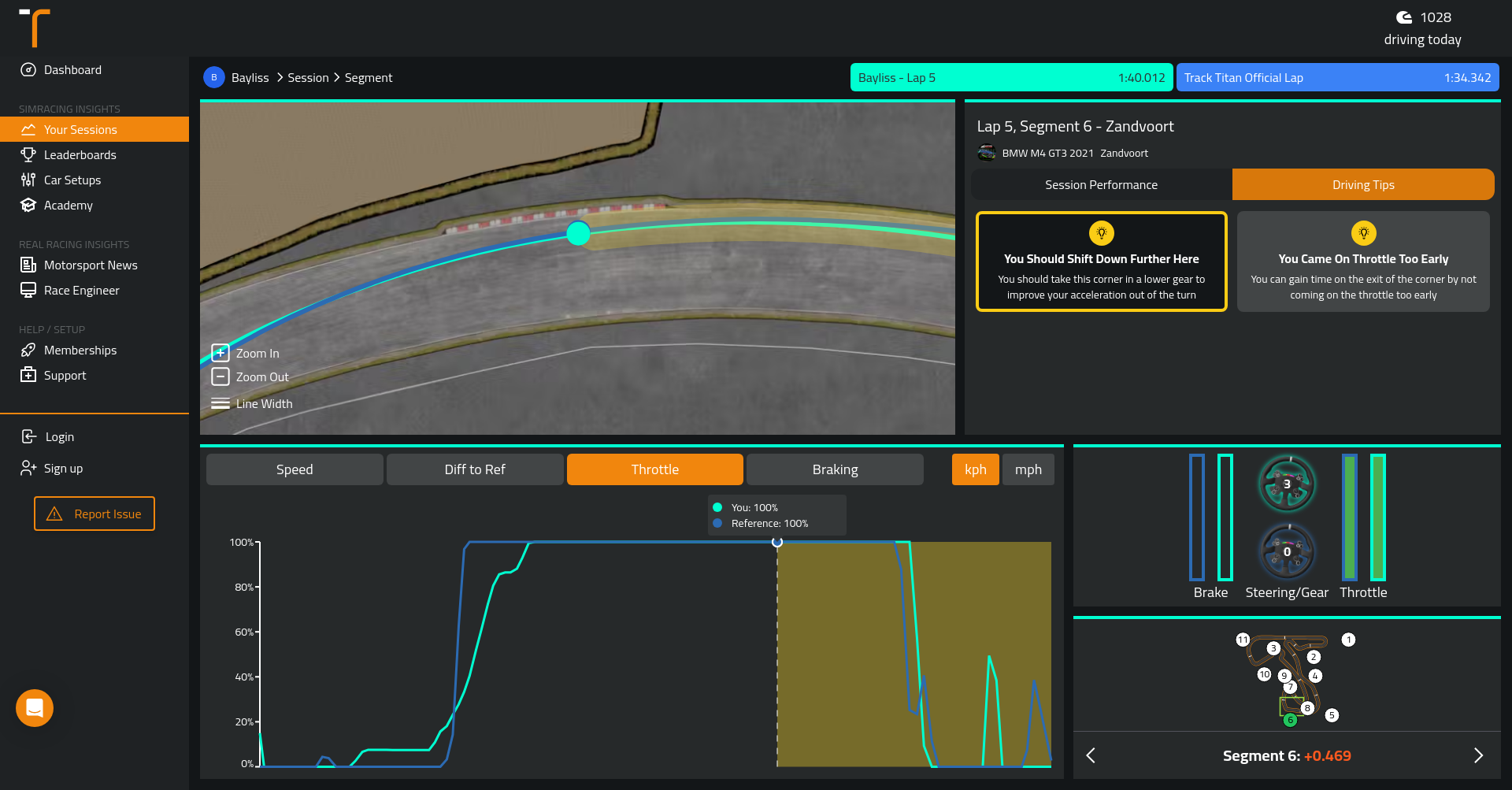
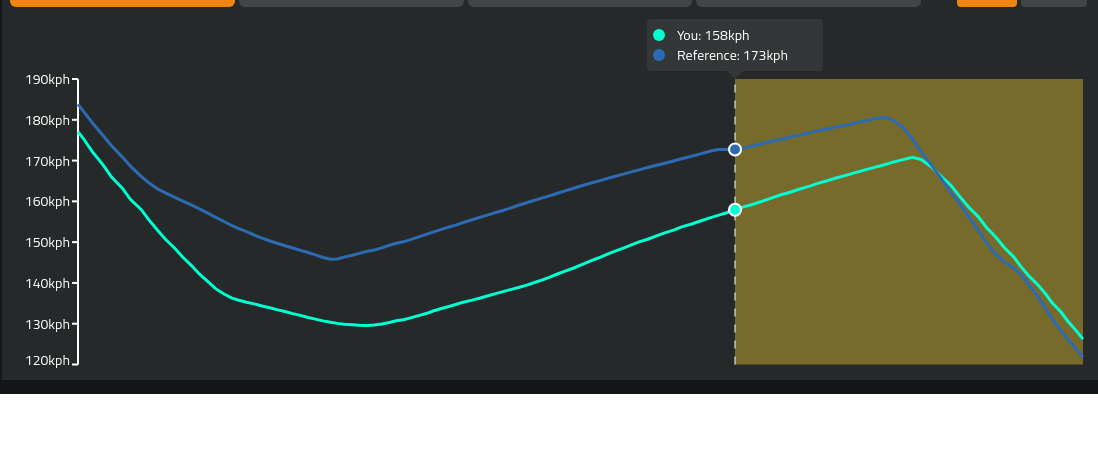
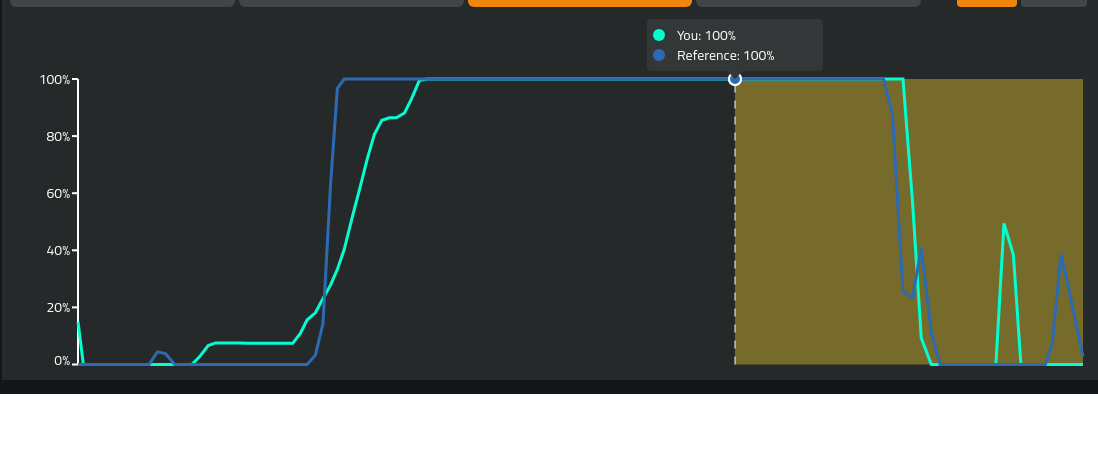
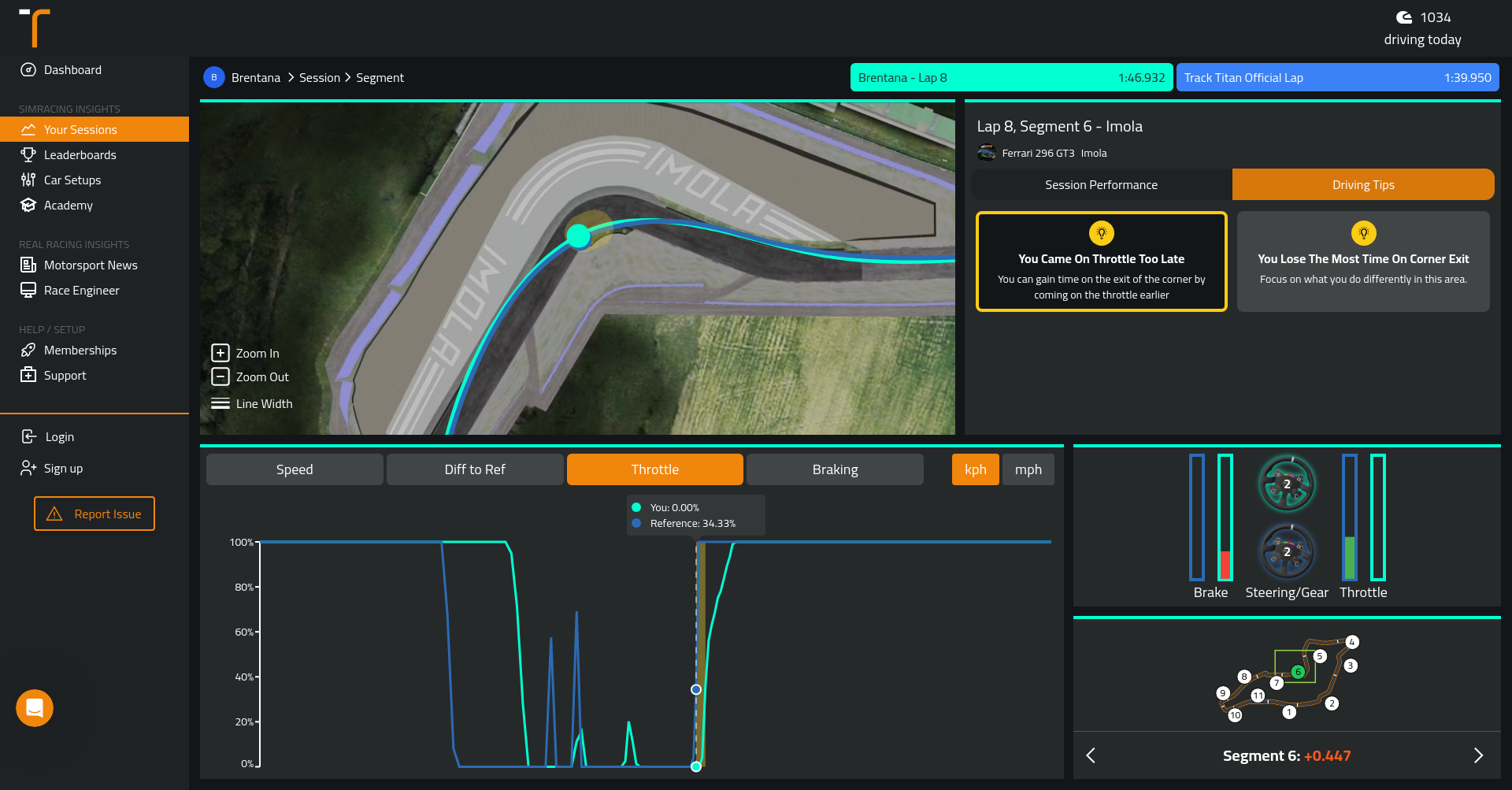
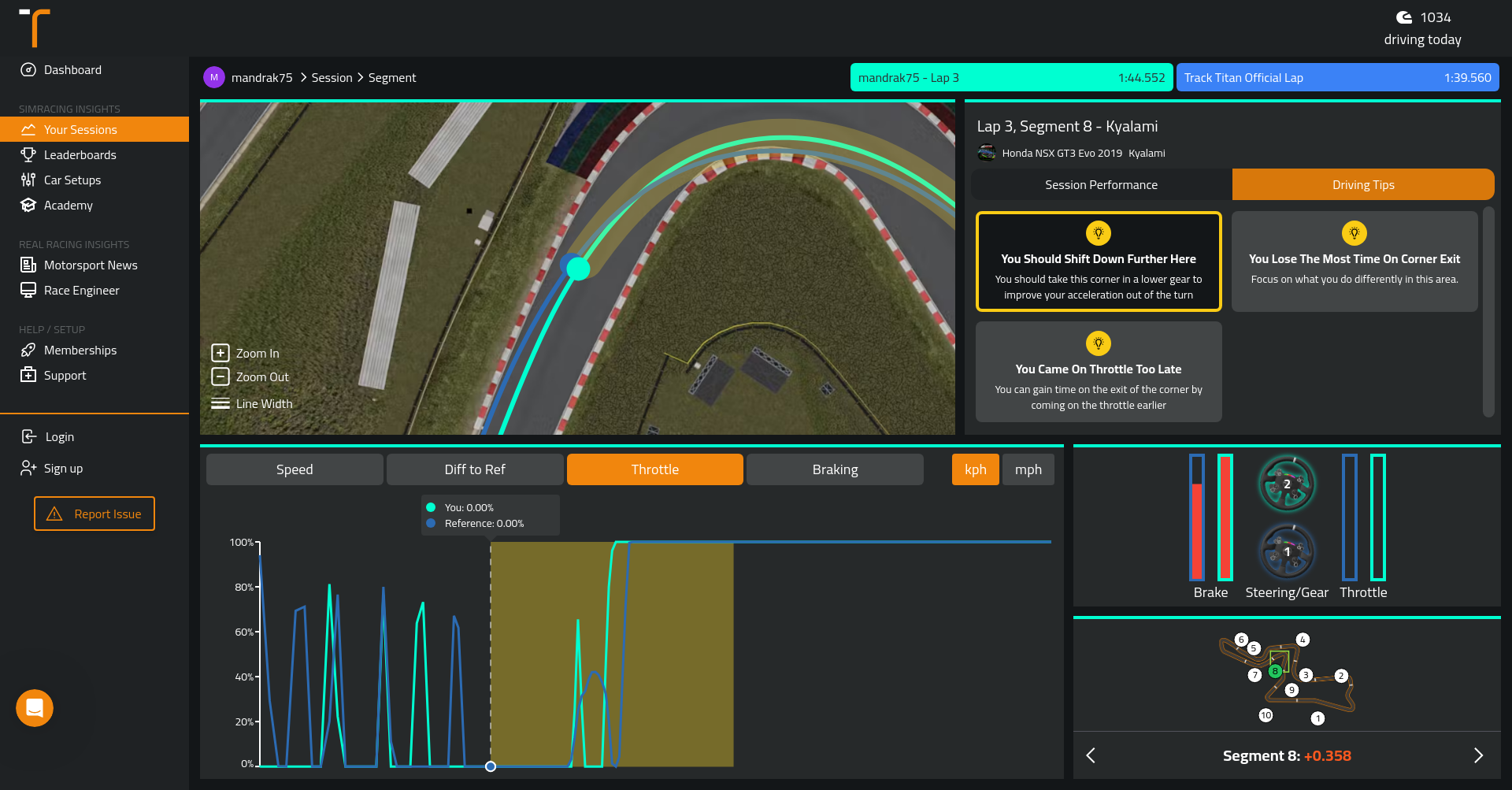
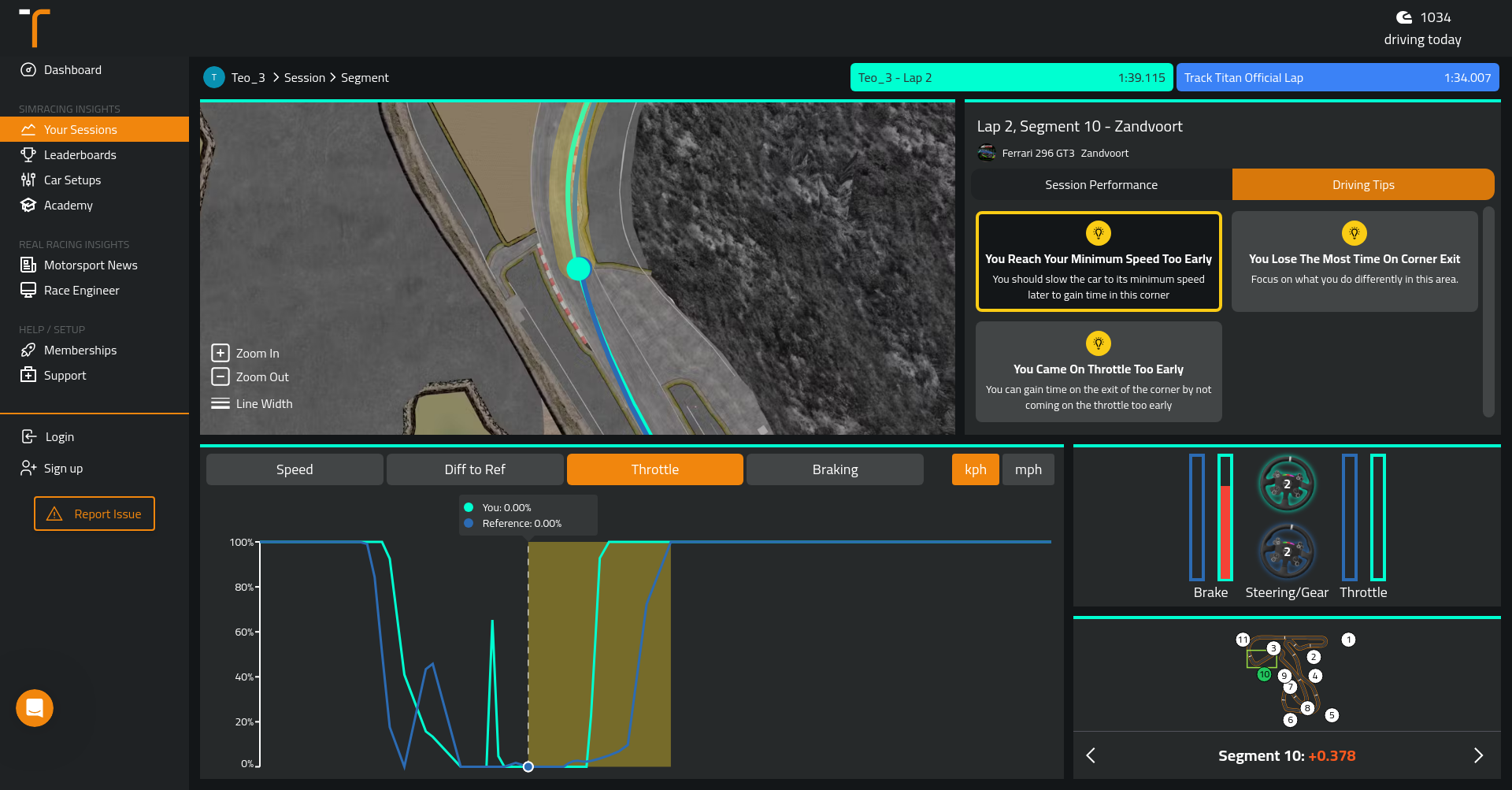
The speed chart analysis reveals that driverB enters the corner with less speed than driverA, indicating a lack of momentum from the previous corner. DriverB's minimum speed occurs later and is lower than driverA's, suggesting a delay in throttle application and a slower exit from the corner. To enhance performance, driverB should downshift more to increase acceleration and delay throttle application for better traction and exit speed. The throttle control chart comparison shows that driverA applies the throttle gradually, possibly to manage wheelspin, while driverB has a sharper increase in throttle application, signaling aggressive acceleration. DriverA engages the throttle earlier than driverB, which may lead to suboptimal exit speed and potential traction issues. For improved lap times, driverA should delay throttle application to align more closely with driverB's timing and consider downshifting further before the corner for better acceleration upon exit.
Analyzing the speed chart, it's evident that driverB is entering the corner with a lower speed compared to driverA. This is indicated by the initial left portion of the chart where driverB's speed graph starts below that of driverA. This suggests that driverB did not carry as much speed out of the previous corner, which has a cascading effect on their overall pace through this section. Furthermore, focusing on the minimum speed point, we see that driverB's minimum speed occurs later than that of driverA and is also lower. This indicates a delay in throttle application by driverB, leading to a later acceleration out of the corner. Consequently, this results in a time loss as depicted by the less steep gradient of their speed chart compared to driverA's during corner exit. To improve performance, driverB should consider downshifting further to maximize acceleration and delay throttle application slightly to ensure better traction and exit speed.

Analyzing the throttle control chart, it's evident that driverA and driverB have distinctly different approaches to throttle application. DriverA exhibits a gradual increase in throttle, which suggests a cautious approach, potentially to manage wheelspin. This can be seen from the smoother curve on the graph. In contrast, driverB's graph shows a sharper increase in throttle application, indicating a more aggressive acceleration out of the corner. Furthermore, driverA comes on the throttle significantly earlier than driverB, as indicated by the earlier rise in their curve. This premature application could lead to less optimal exit speed and potentially cause understeer or loss of traction. To improve lap times, driverA should delay their throttle application to match closer to driverB's timing. Additionally, considering the advice on gear selection, driverA should also consider downshifting further before the corner to maximize acceleration upon exit.