117,319
117K
Laps driven today

iRacing

Le Mans Ultimate

Assetto Corsa Competizione

Assetto Corsa

F1 25

Assetto Corsa EVO

Automobilista 2

Forza Motorsport

F1 24

F1 2021

F1 23

F1 2020


Lap 5
Segment 2
2:06.605
6th Feb 2024
iRacing
Silverstone Circuit - Grand Prix - FIA Formula 4

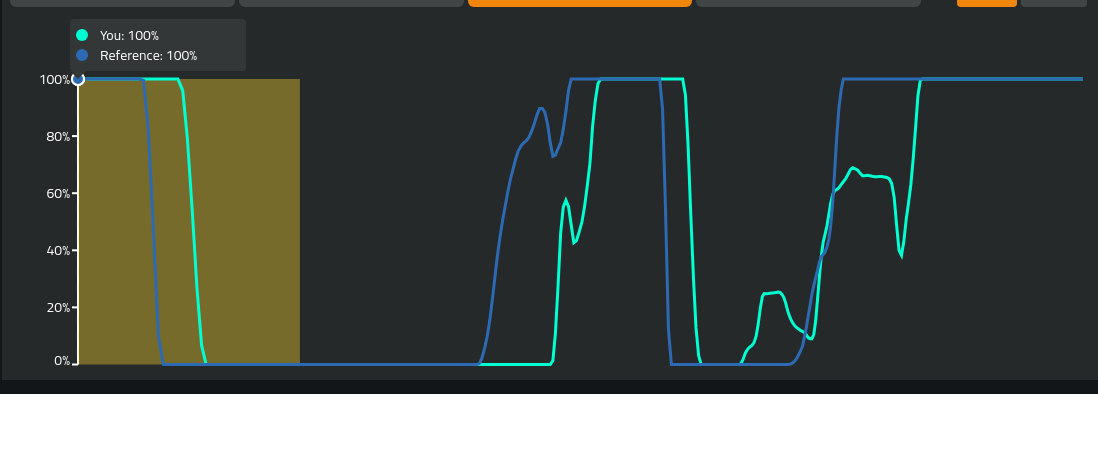
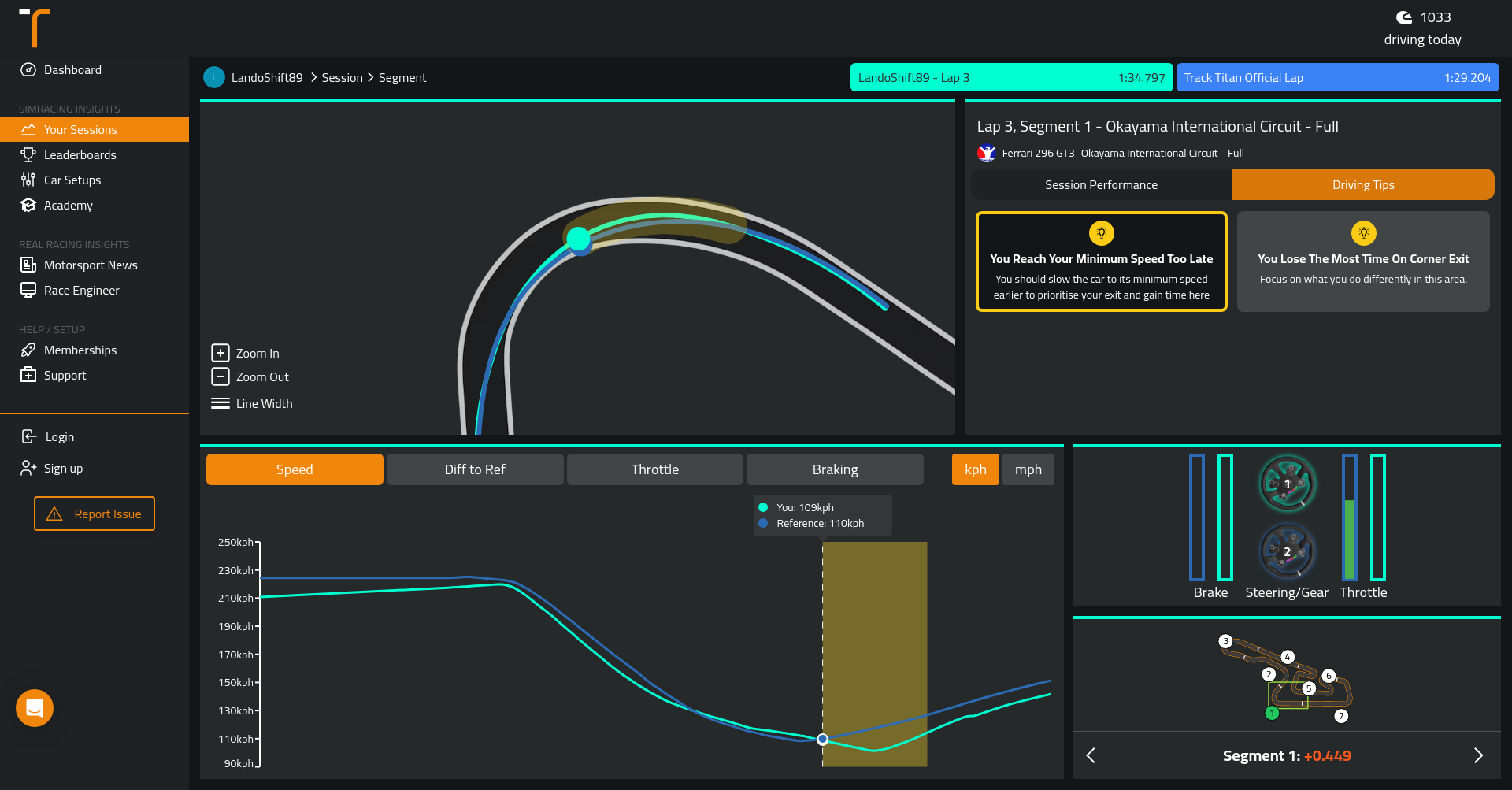
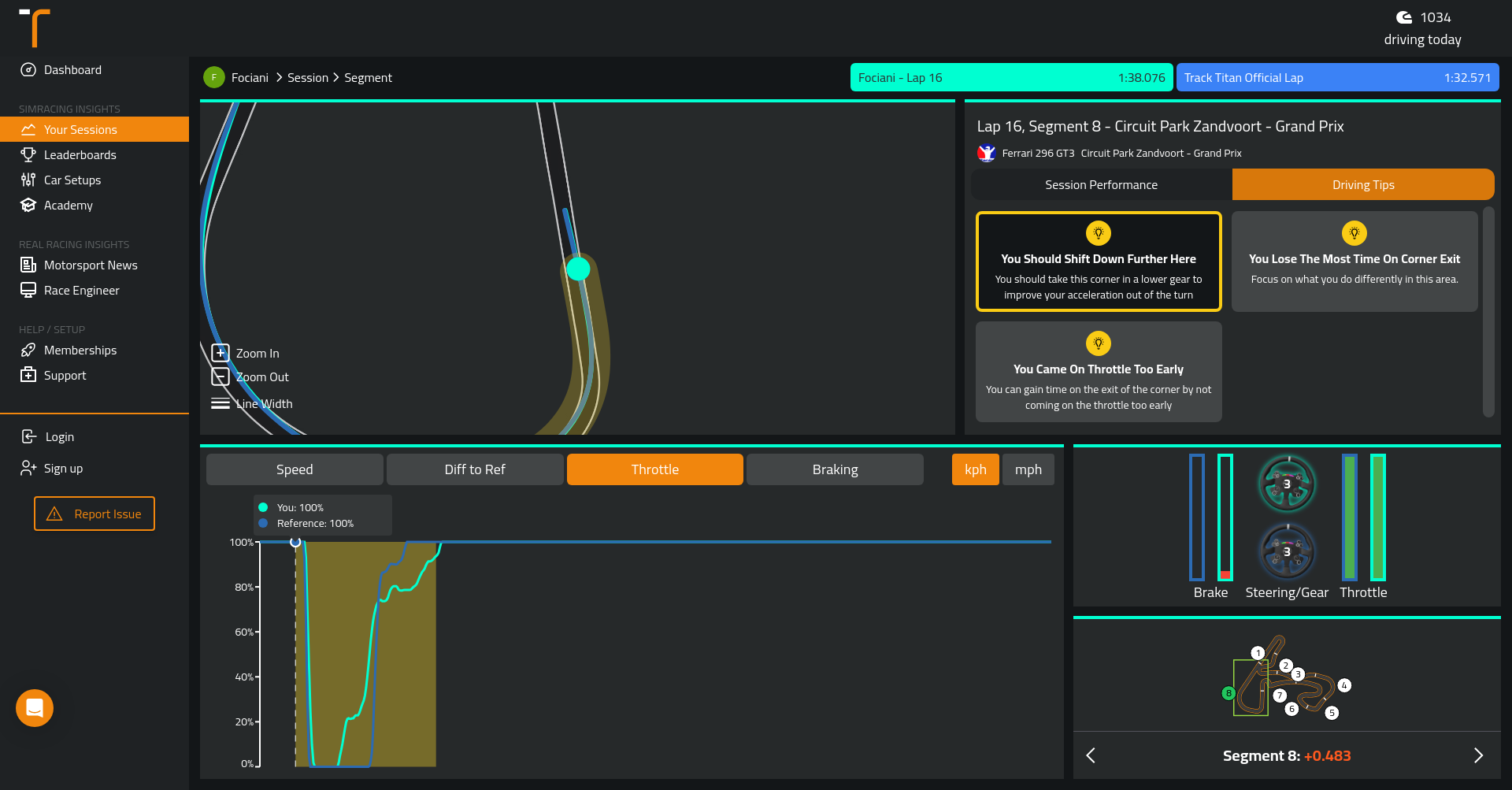
The speed chart analysis reveals that driverB enters the corner with less speed than driverA, suggesting a weaker exit from the previous corner. DriverB also experiences a sharper decrease in speed mid-corner and applies the throttle later, leading to less effective acceleration out of the turn. To enhance performance, driverB should aim to maintain higher mid-corner speed and improve throttle application for earlier and stronger acceleration. In contrast, driverA's throttle control chart shows an early and abrupt increase in throttle, risking understeer or traction loss. Additionally, erratic throttle inputs indicate potential struggles with maintaining consistent speed and managing wheelspin. For better results, driverA should delay throttle application until a more suitable point in the corner to ensure optimal exit speed and improved lap times. Both drivers have distinct areas of improvement: driverB needs to focus on carrying more momentum through the entire corner and optimizing acceleration, while driverA should concentrate on refining throttle control for better traction and stability. By addressing these specific aspects of their driving technique, each driver can enhance their overall performance on track.
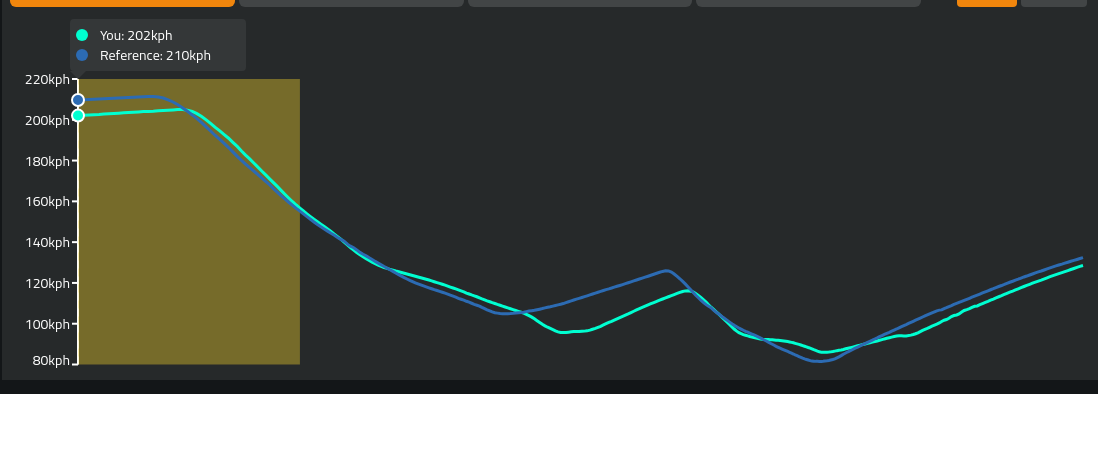
Analyzing the speed chart, it's evident that driverB enters the corner with a lower speed compared to driverA. This indicates that driverB exited the previous corner with less momentum, which has a cascading effect on their approach and execution of the current corner. Specifically, at the start of the chart on the left, we see this initial speed deficit which sets up driverB for a slower entry. Furthermore, in the middle of the corner, there is a sharp decrease in speed for driverB compared to driverA. This suggests that driverB is losing significant time in this section. It's crucial to note that driverB's minimum speed occurs later than that of driverA and is followed by a more gradual increase in speed. This indicates not only a later throttle application but also less effective acceleration out of the corner. To improve, driverB should focus on carrying more speed through mid-corner and optimizing throttle application to ensure earlier and more powerful acceleration out of the turn.

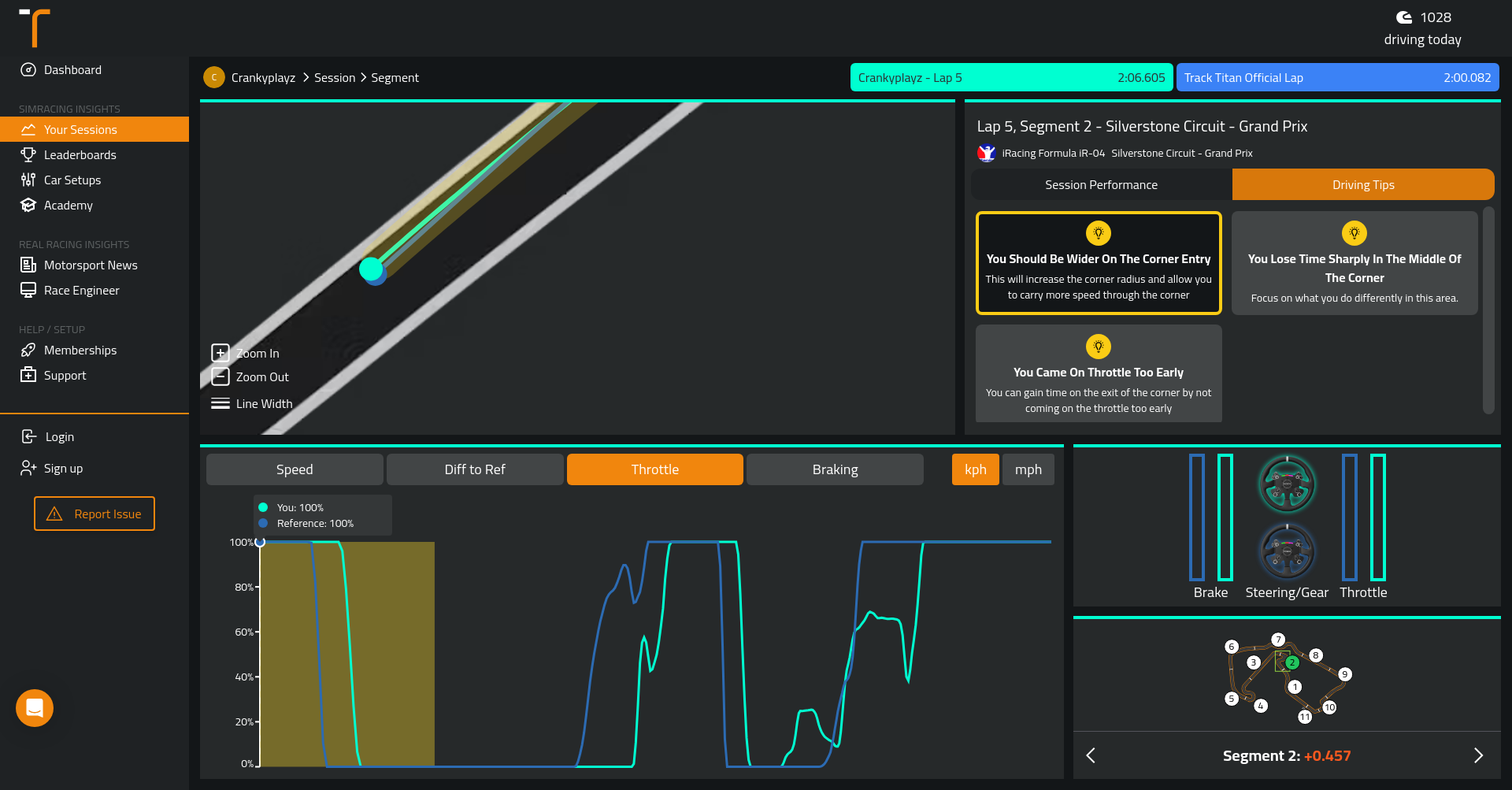
Analyzing the throttle control chart, it's evident that driverA and driverB have markedly different approaches to throttle application. DriverA exhibits a premature and sharp increase in throttle, indicated by the steep curve on the graph. This suggests that driverA is accelerating too early in the corner, which can lead to understeer or a loss of traction. On the other hand, driverB's curve is more gradual, reflecting a more measured and later application of throttle. This controlled approach likely contributes to better traction and corner exit speed. Furthermore, driverA's erratic throttle input in the middle of the corner, as shown by the jagged line, indicates difficulty in maintaining consistent speed and possibly struggling with wheelspin. In contrast, driverB maintains a smoother line with less fluctuation in throttle application, implying better control over the car's balance and grip through this section of the corner. To improve performance, driverA should focus on delaying throttle application until a more appropriate point in the corner to optimize exit speed and overall lap time.