122,247
122K
Laps driven today

iRacing

Le Mans Ultimate

Assetto Corsa Competizione

Assetto Corsa

F1 25

Assetto Corsa EVO

Automobilista 2

Forza Motorsport

F1 24

F1 2021

F1 23

F1 2020


Lap 2
Segment 4
1:51.810
6th Feb 2024
Assetto Corsa Competizione
Monza - McLaren 720S GT3 Evo 2023

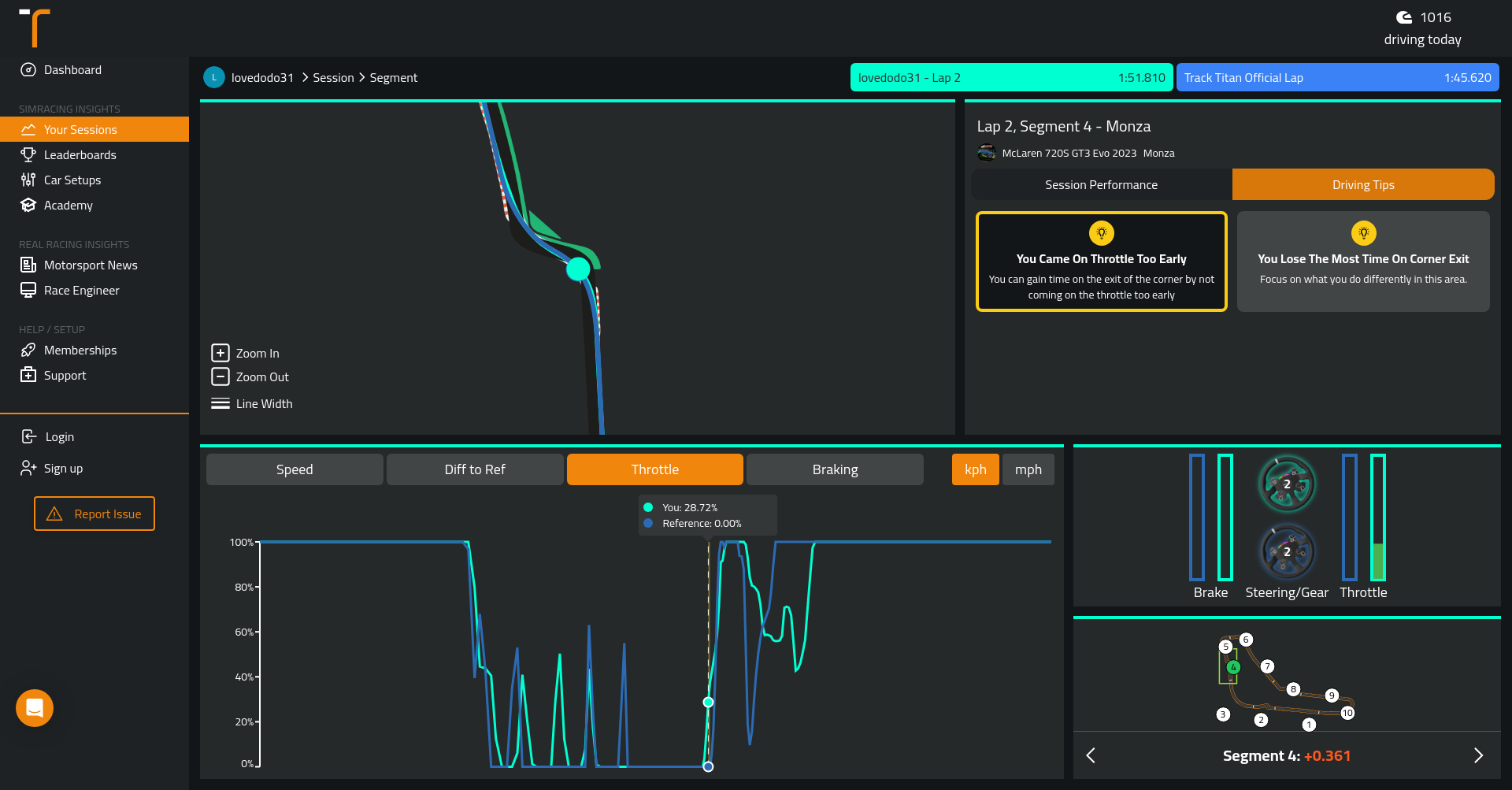
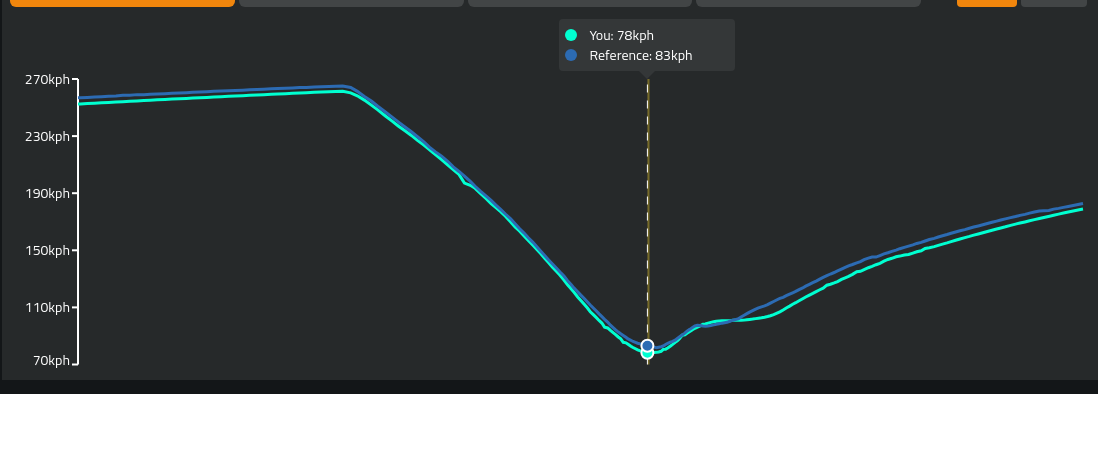
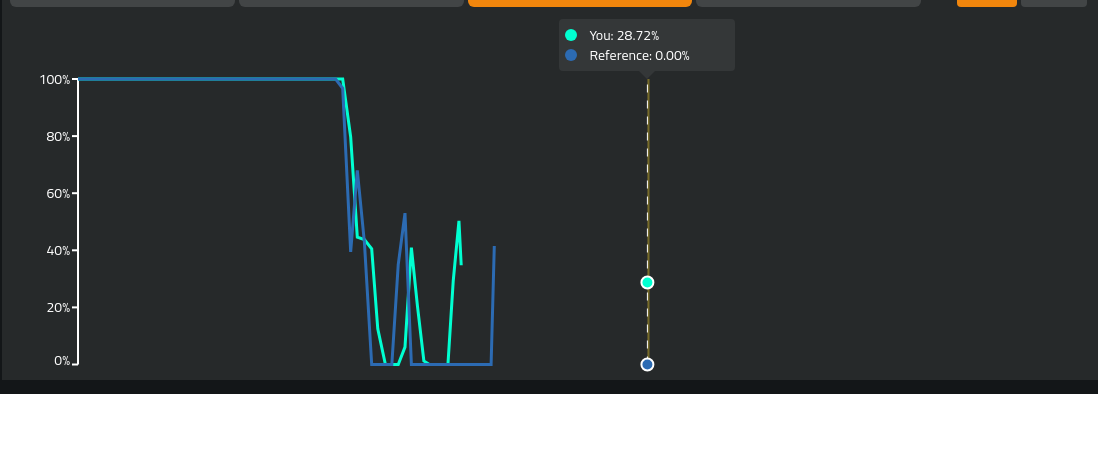
The speed chart analysis reveals that driverB enters the corner at a lower speed than driverA, suggesting a loss of momentum from the previous corner. This impacts their pace through the current section. At the corner exit, driverB's minimum speed occurs later than driverA's, indicating a delay in throttle application and resulting in a slower exit speed. To enhance lap times, driverB should work on optimizing their corner exit by delaying throttle application slightly for better traction and a stronger exit. On the other hand, driverA applies throttle much earlier during the corner exit phase, which could lead to decreased traction and potential wheelspin since the vehicle is not fully aligned for acceleration. DriverB applies throttle gradually and later, after exiting the corner, which allows for better traction and vehicle stability. This technique leads to a more efficient corner exit and acceleration onto the straight. For improved performance, driverA should delay their throttle input until the car is better positioned for optimal exit speed, adopting driverB's more effective approach.
Analyzing the speed chart, it's evident that driverB is entering the corner with a lower speed compared to driverA. This is indicated by the initial left portion of the chart where driverB's speed line starts below that of driverA. This suggests that driverB did not carry as much speed out of the previous corner, which has a cascading effect on their overall pace through the current section. Furthermore, at the corner exit, there is a notable difference in acceleration between driverA and driverB. DriverB's minimum speed occurs later than that of driverA, indicating a delayed throttle application. This results in a slower exit speed for driverB, as seen by the less steep gradient of their speed line compared to that of driverA. To improve lap times, driverB should focus on optimizing their corner exit by delaying throttle application slightly to ensure better traction and a stronger exit.

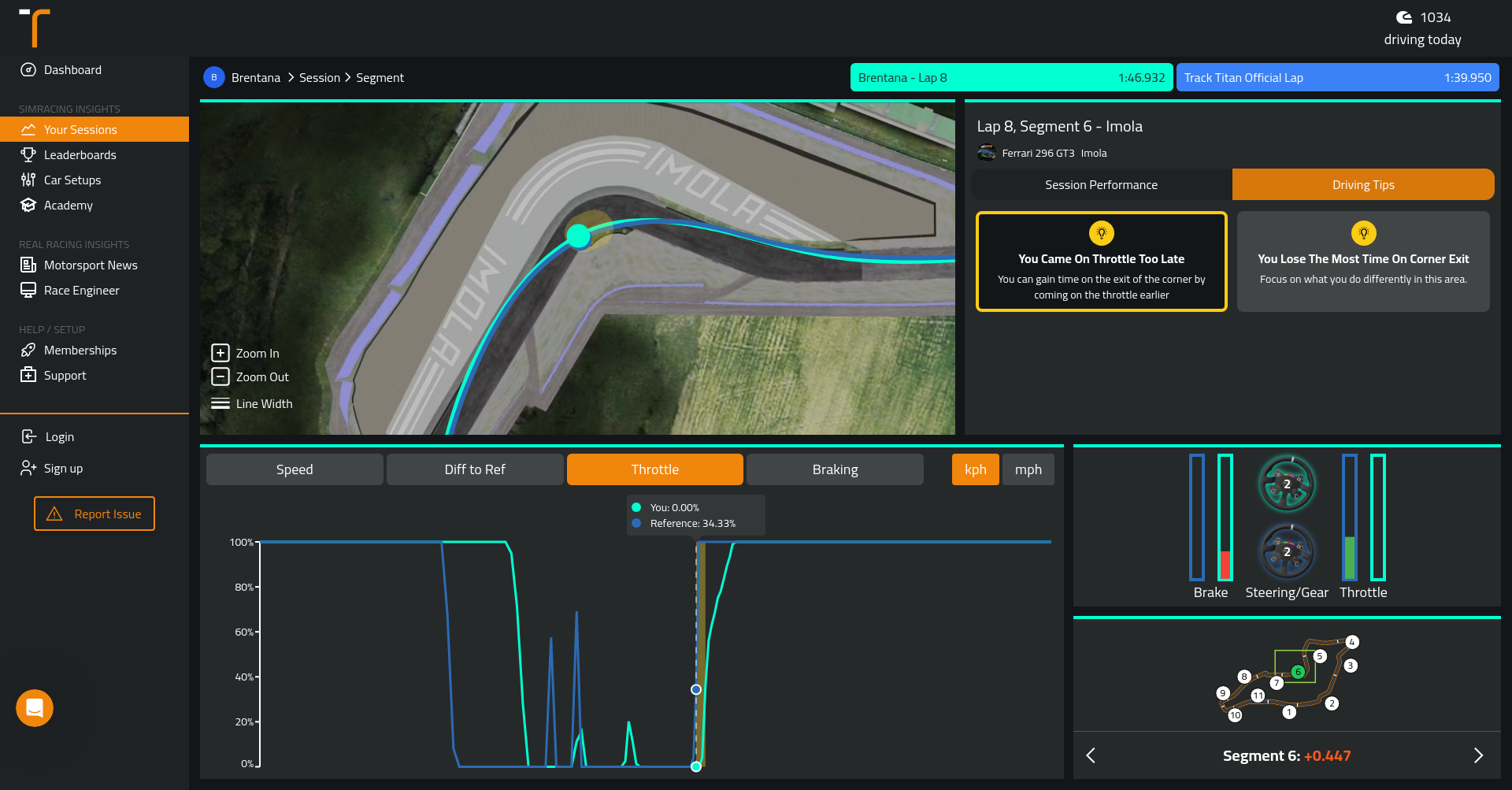
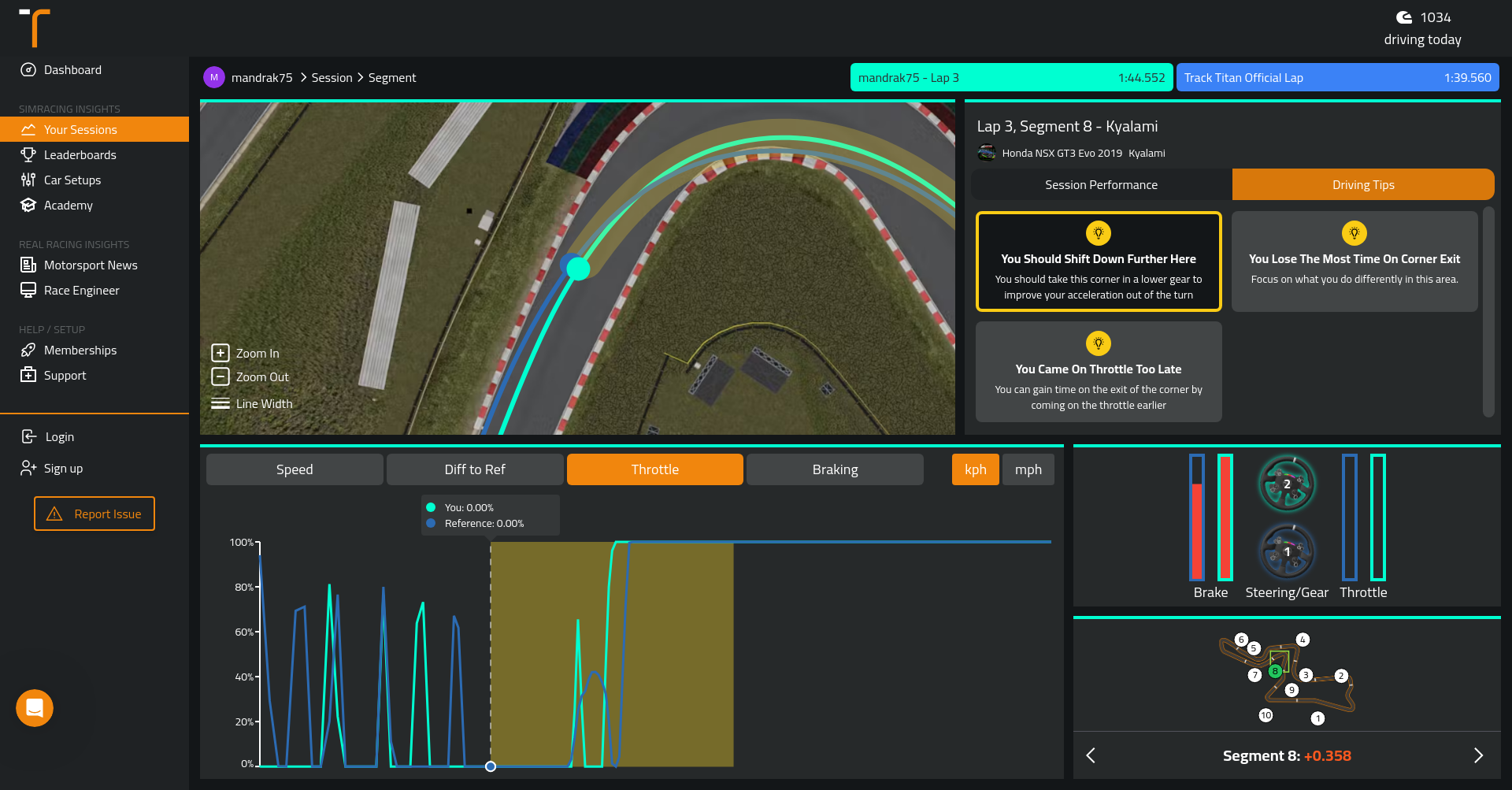
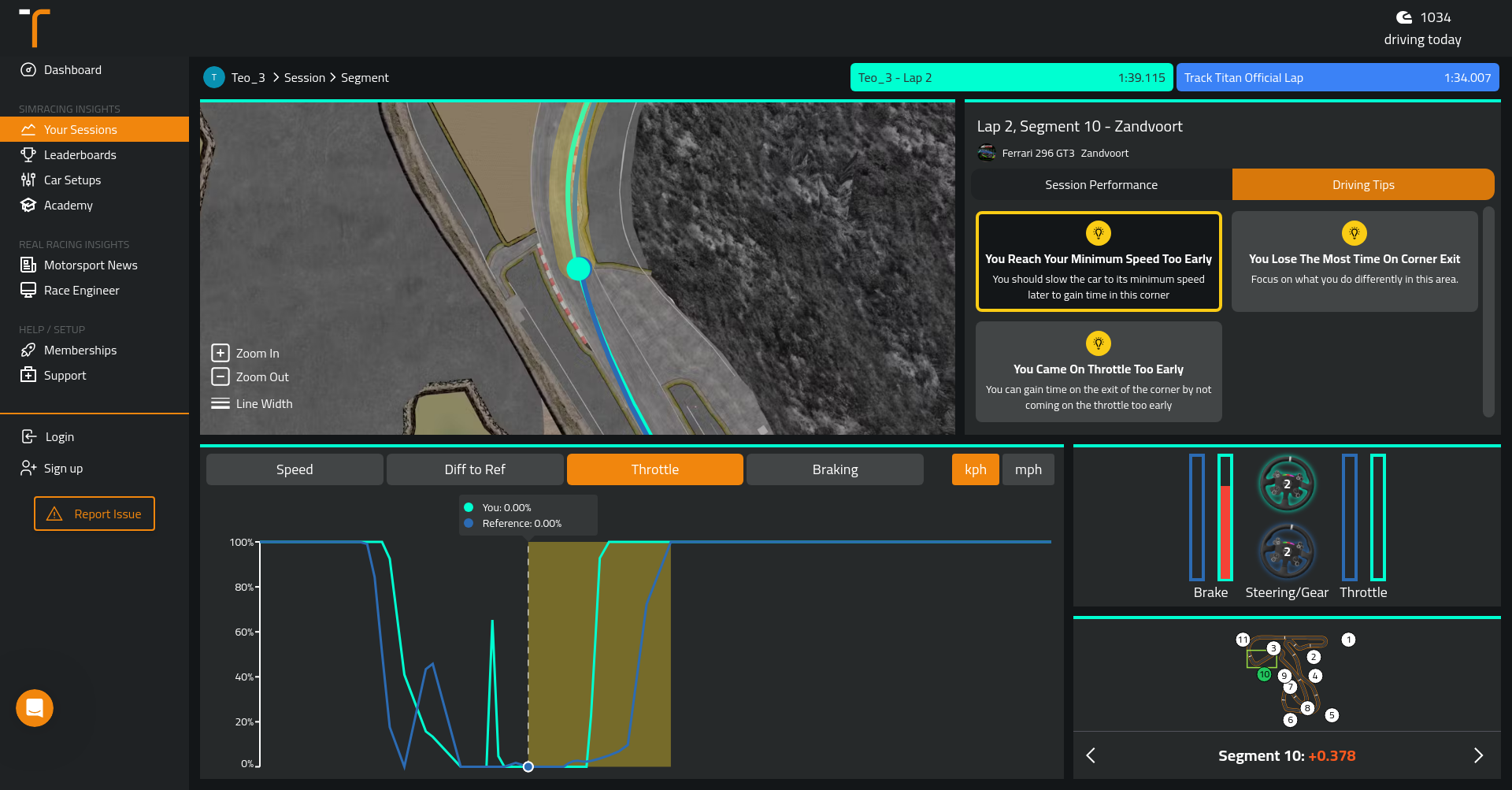
Analyzing the throttle control chart, it's evident that driverA is applying throttle significantly earlier than driverB during the corner exit phase. DriverA's throttle application begins to increase while still in the latter part of the corner, as indicated by the premature rise in their graph. This early application likely leads to a loss of time due to decreased traction and potential wheelspin as the vehicle is not yet adequately aligned for full acceleration. Contrastingly, driverB demonstrates a more gradual and later application of throttle, which begins only after exiting the corner. This delayed but smoother increase in throttle application allows for better traction and vehicle stability, resulting in a more efficient corner exit and acceleration onto the straight. To improve performance, driverA should focus on delaying their throttle input until the car is positioned for optimal exit speed, mirroring driverB's more effective technique.