117,319
117K
Laps driven today

iRacing

Le Mans Ultimate

Assetto Corsa Competizione

Assetto Corsa

F1 25

Assetto Corsa EVO

Automobilista 2

Forza Motorsport

F1 24

F1 2021

F1 23

F1 2020


Lap 2
Segment 1
1:34.262
6th Feb 2024
Assetto Corsa Competizione
Valencia - Mercedes AMG GT3 Evo 2020

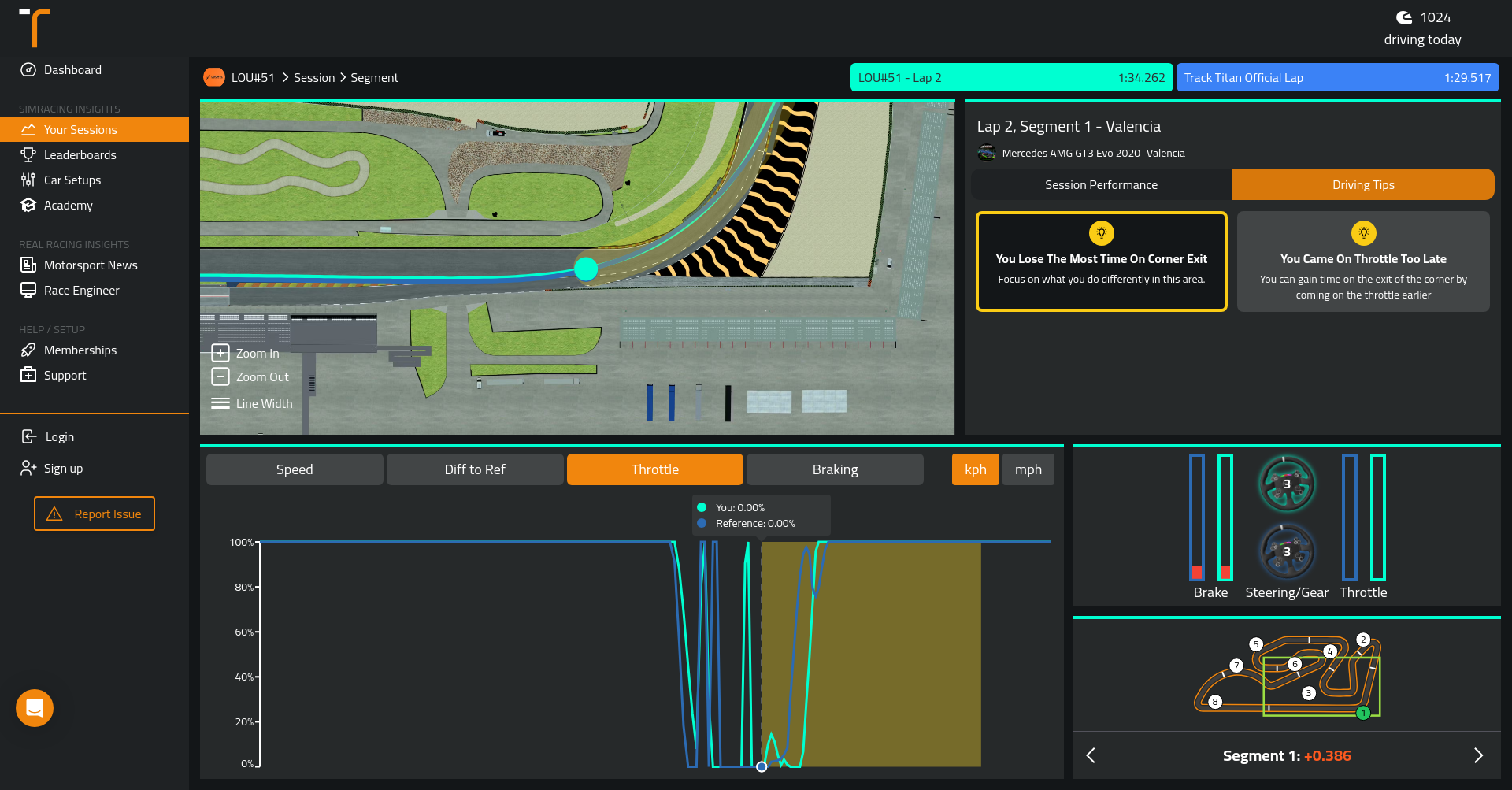
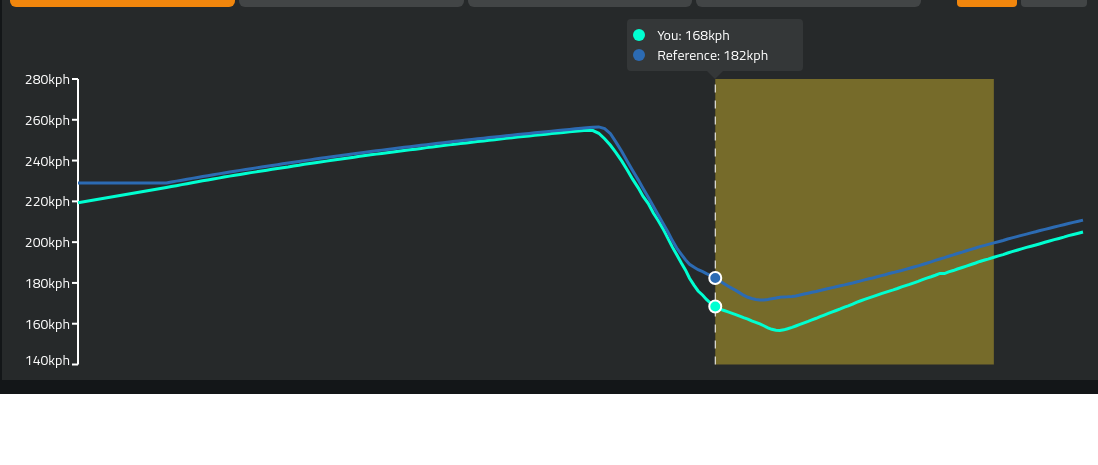
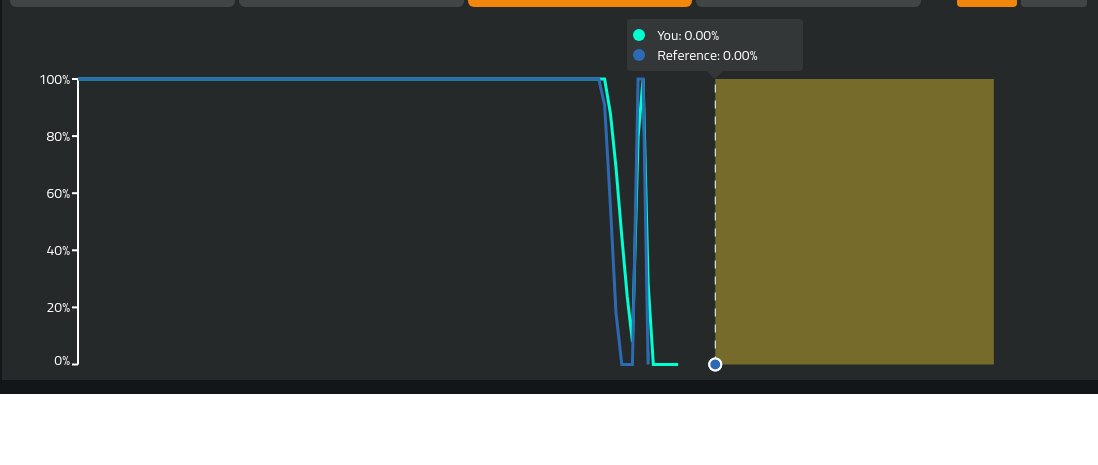
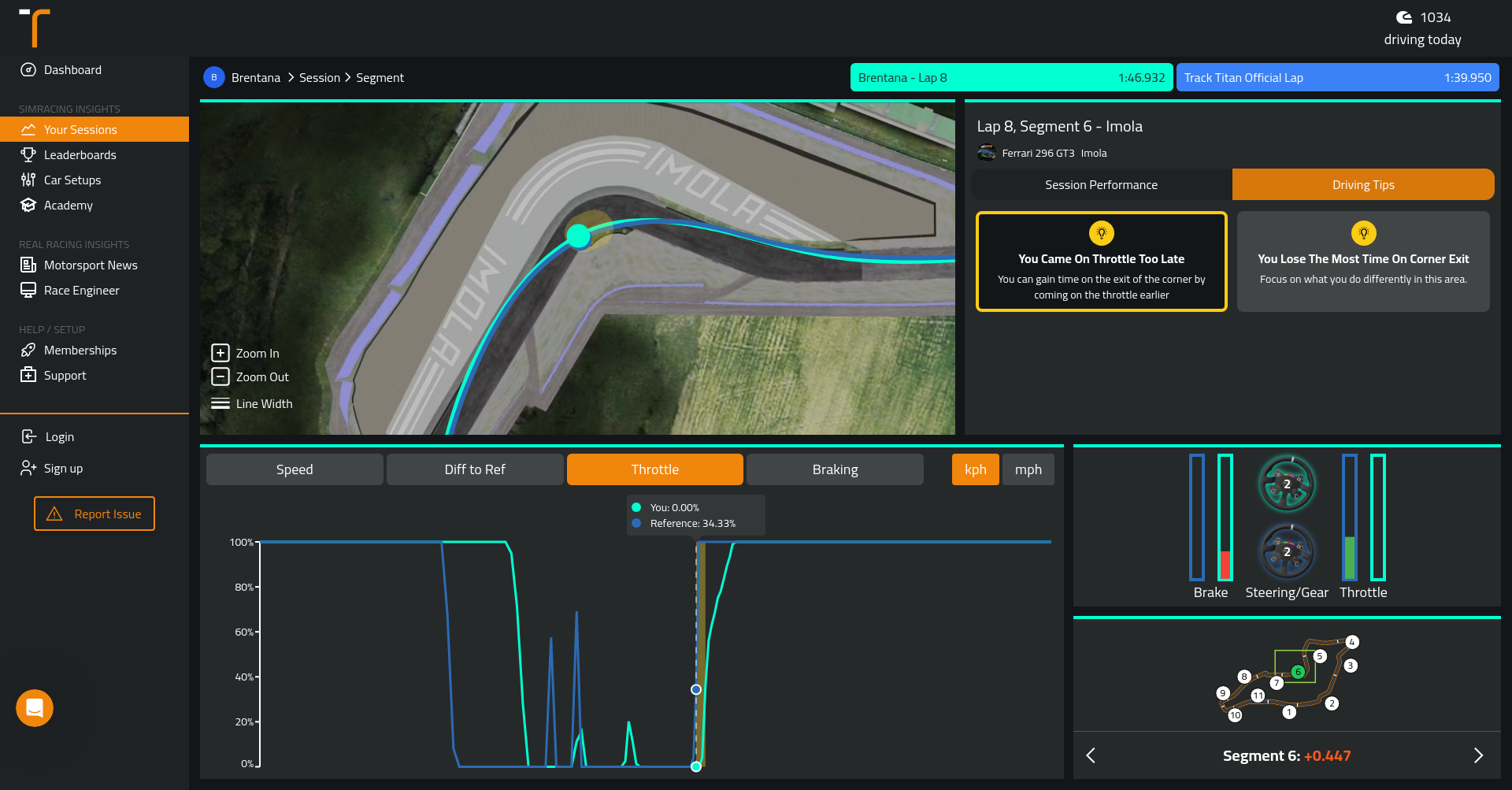
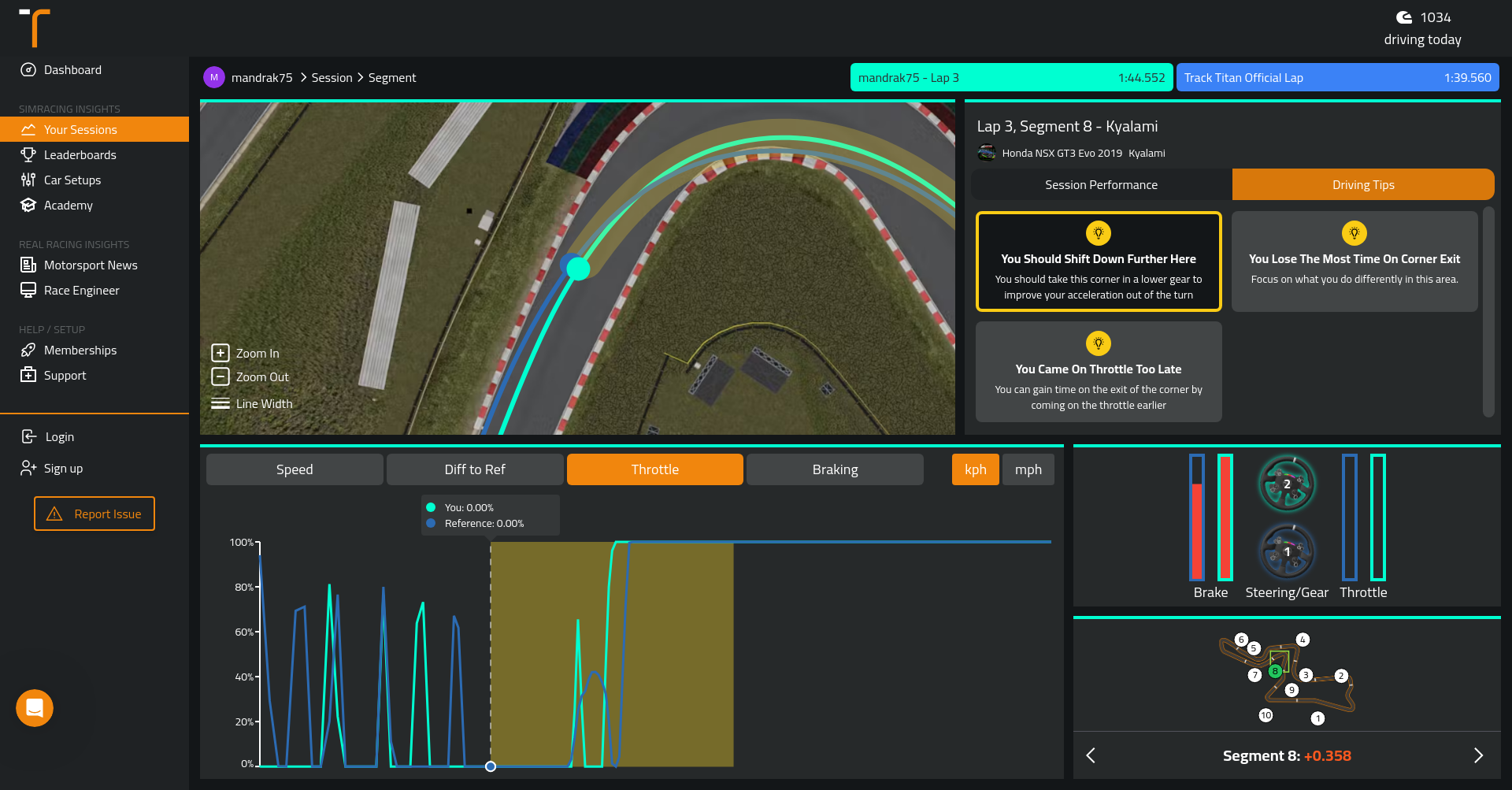
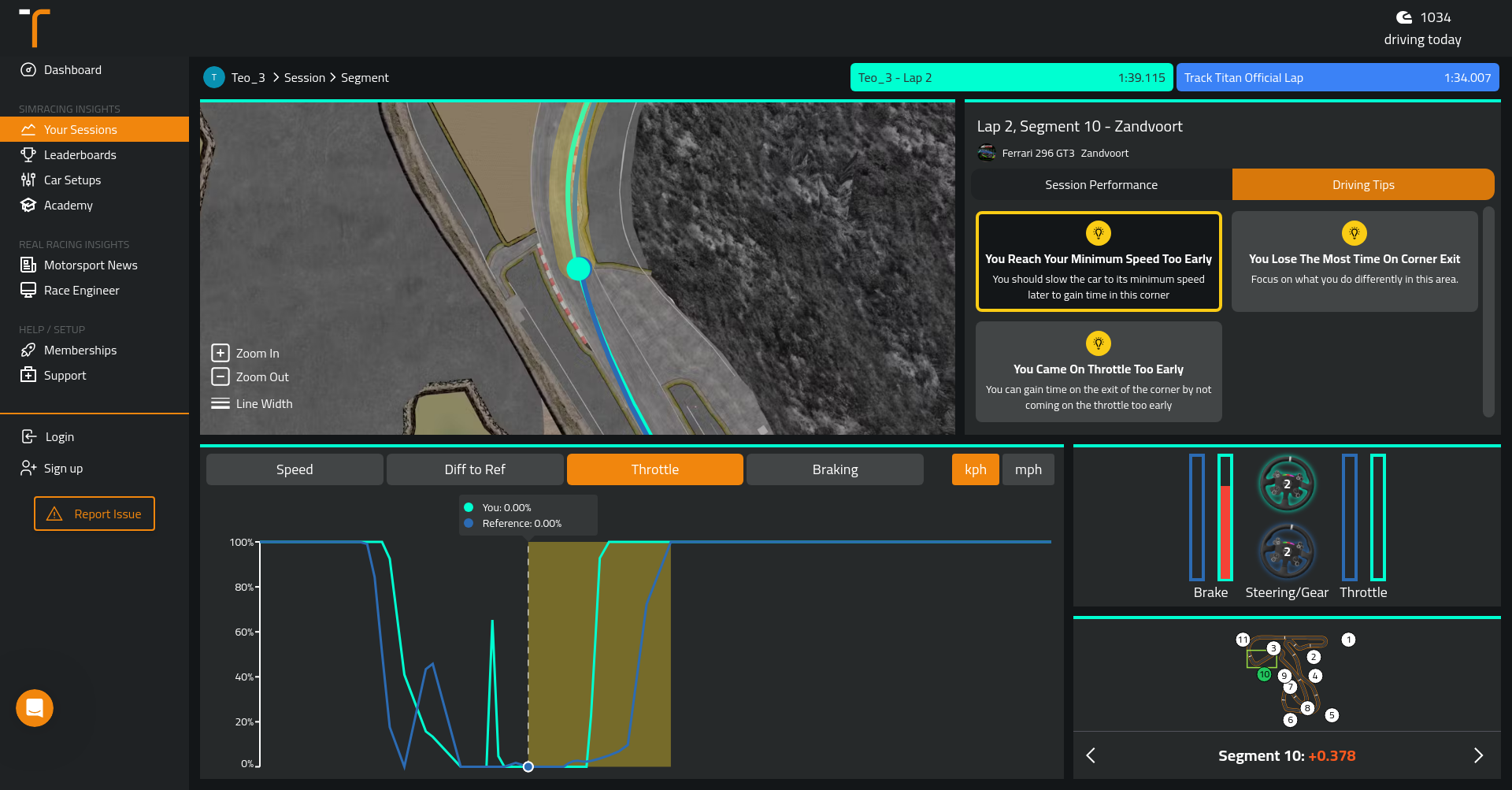
The speed chart analysis reveals that both drivers enter the corner at similar speeds, but driverB's minimum speed drops lower than driverA's, indicating a loss of momentum. This is due to driverB's delayed throttle application, which also leads to a less steep speed increase post-apex and results in compounded time loss on corner exit. To enhance lap times, driverB should apply the throttle earlier to maintain higher speed through and out of the corner. On the other hand, the throttle control analysis shows that driverA is more hesitant and inconsistent with throttle application compared to driverB, who applies it earlier and more smoothly. This early application by driverB allows for carrying more speed through the corner exit, giving them a time advantage. DriverA needs to apply the throttle earlier and more progressively out of corners to improve lap times and match driverB's performance.
Analyzing the speed chart, it's evident that driverB enters the corner with a comparable speed to driverA. However, as they progress through the corner, there is a noticeable divergence in minimum speeds. DriverB's minimum speed is lower than that of driverA, indicating a loss of momentum at this critical point. This lower minimum speed occurs later in the corner for driverB, which suggests a delayed throttle application compared to driverA. The impact of this later and lower minimum speed for driverB is significant on corner exit. The gradient of their speed increase post-apex is less steep compared to driverA's, confirming that driverB gets on the throttle later than driverA. This results in a compounded time loss as they exit the corner because not only is their exit speed lower, but they also spend more time reaching optimal acceleration. To improve lap times, driverB should focus on earlier throttle application to carry more speed through and out of the corner.

In the provided throttle control analysis, driverA's throttle application is noticeably more hesitant and delayed compared to driverB. DriverB initiates throttle application much earlier, as indicated by the steep curve in the chart. This early application allows driverB to carry more speed through the corner exit, translating into a time advantage over driverA. Furthermore, driverA's gradual and inconsistent throttle increase suggests a lack of confidence or grip at corner exit, which further contributes to time loss in comparison to driverB's confident and smooth acceleration. To improve lap times, driverA should focus on applying the throttle earlier and more progressively out of corners to match the reference set by driverB.