114,324
114K
Laps driven today

iRacing

Le Mans Ultimate

Assetto Corsa Competizione

Assetto Corsa

F1 25

Assetto Corsa EVO

Automobilista 2

Forza Motorsport

F1 24

F1 2021

F1 23

F1 2020


Lap 1
Segment 4
1:41.026
7th Feb 2024
iRacing
Long Beach Street Circuit - Mercedes-AMG GT3 2020

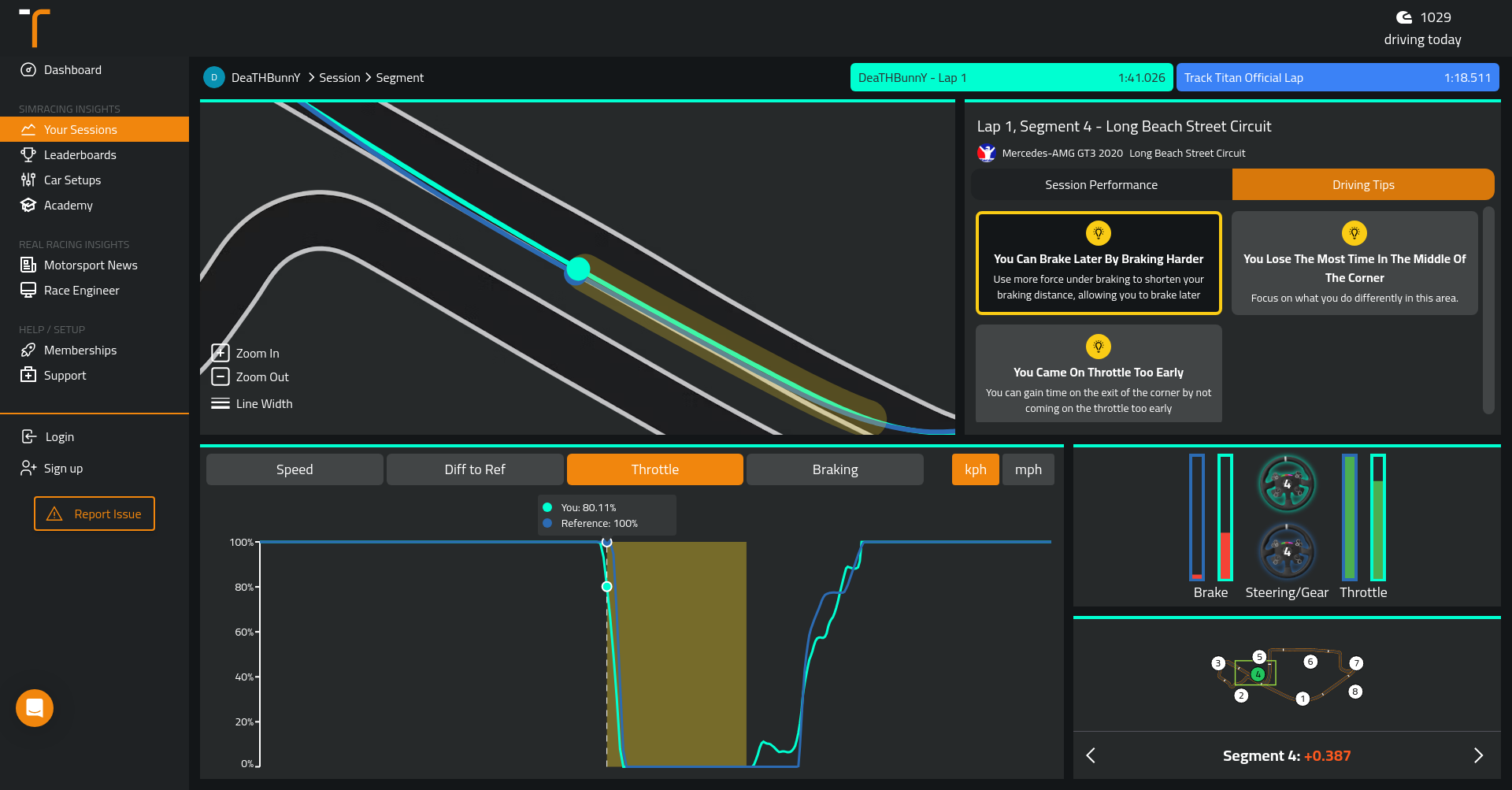
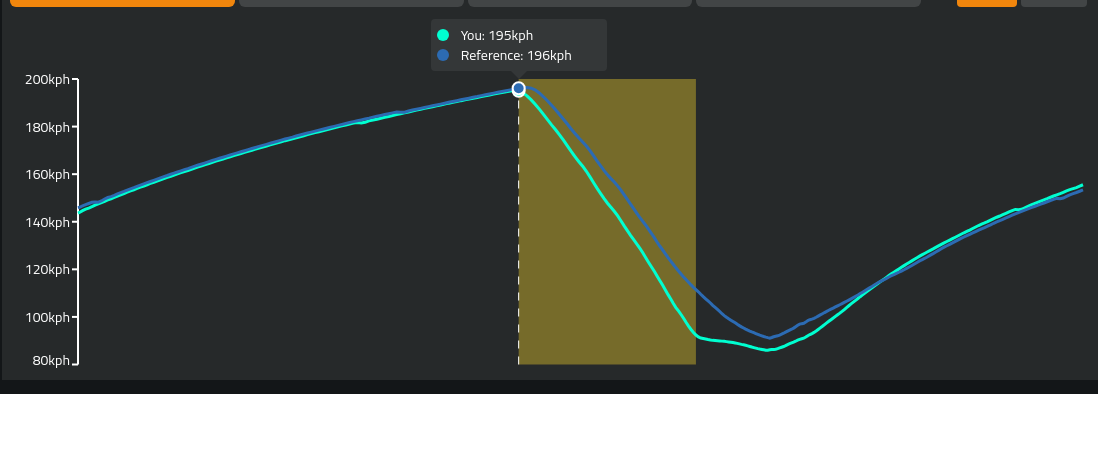
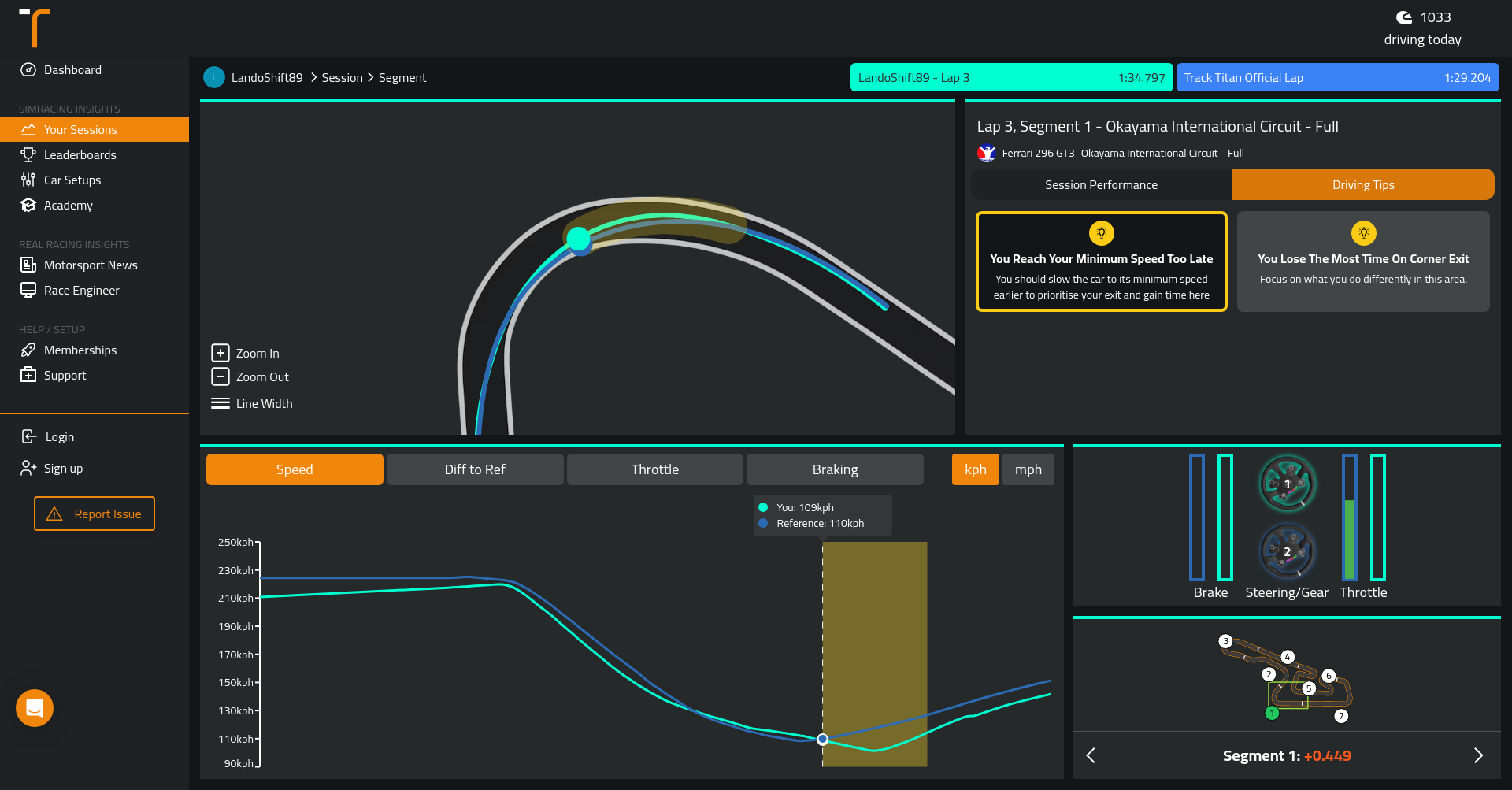
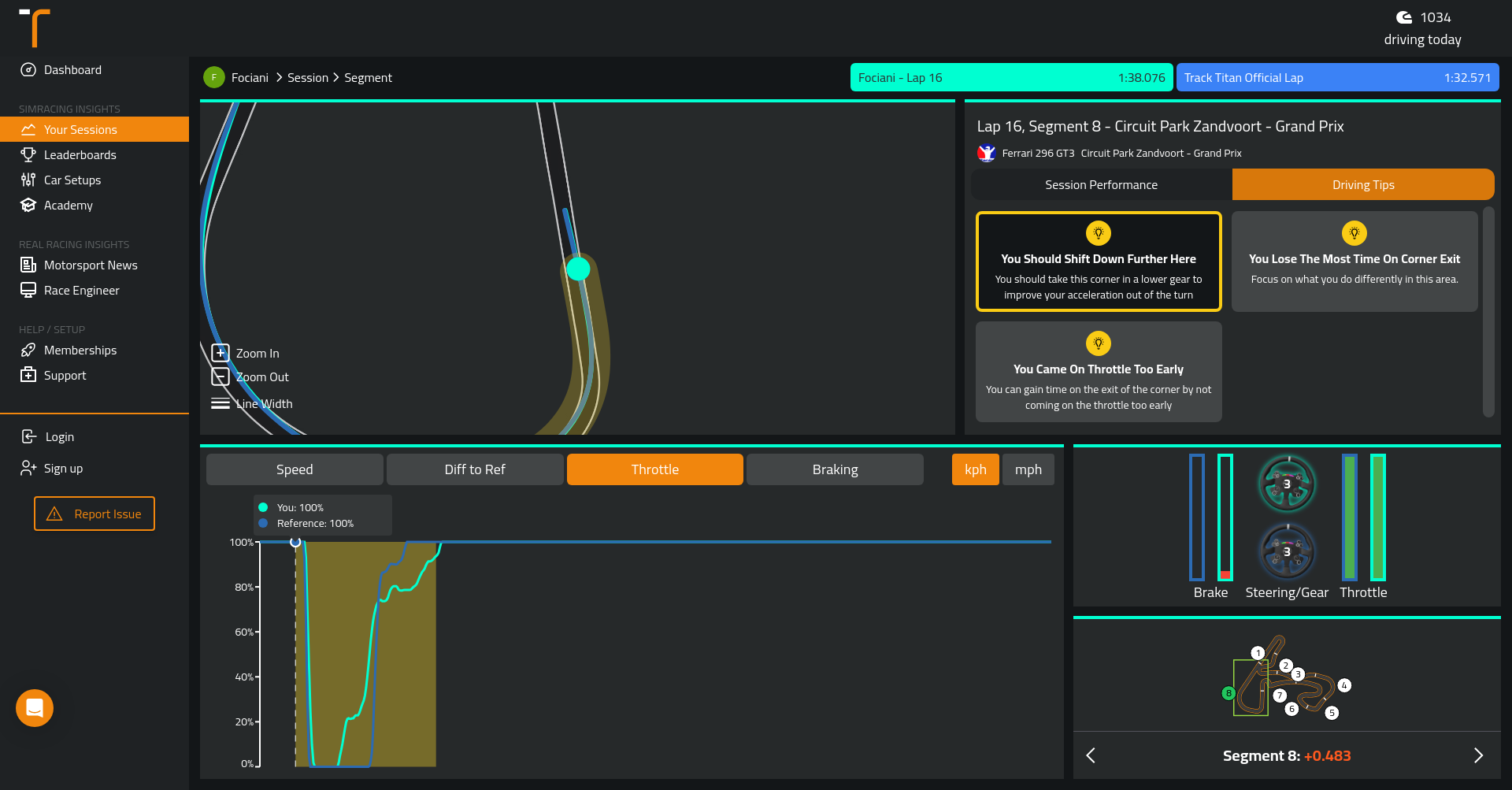
The speed chart analysis indicates that driverB enters the corner with less speed than driverA, leading to a disadvantage from the start. DriverB's minimum speed is also lower and occurs later in the corner, suggesting early throttle application which hinders optimal speed through the apex and slows down the exit. The graph shows that driverB accelerates later, resulting in time loss. To enhance performance, driverB should brake harder and later for a more efficient cornering line, allowing earlier acceleration out of the corner for better exit speed. In terms of throttle control, driverA applies throttle too early, which likely causes a loss of potential exit speed due to insufficient grip from not being on the optimal line or settled from cornering forces. In contrast, driverB's later and more progressive throttle application indicates a smoother transition from braking to acceleration, utilizing grip more effectively for better traction and faster exit speed. DriverA should delay and modulate their throttle input similar to driverB to optimize corner exit speed and improve lap times.
Analyzing the speed chart, it's evident that driverB is entering the corner with a lower speed compared to driverA. This suggests that driverB is not carrying as much momentum out of the previous corner, which is a critical area to address. The gap in speed at the entry point sets up a disadvantage right from the start. During the mid-corner phase, driverB's minimum speed is notably lower than that of driverA, and it occurs later in the corner. This delay in reaching minimum speed indicates that driverB is likely getting on the throttle too early, preventing them from carrying optimal speed through the apex and subsequently leading to a slower exit. The graph also shows a less steep increase in speed for driverB after the minimum point, confirming a loss of time due to later acceleration. To improve performance, driverB should focus on braking harder and later, which will allow for a more efficient cornering line and enable earlier acceleration out of the corner for better exit speed.

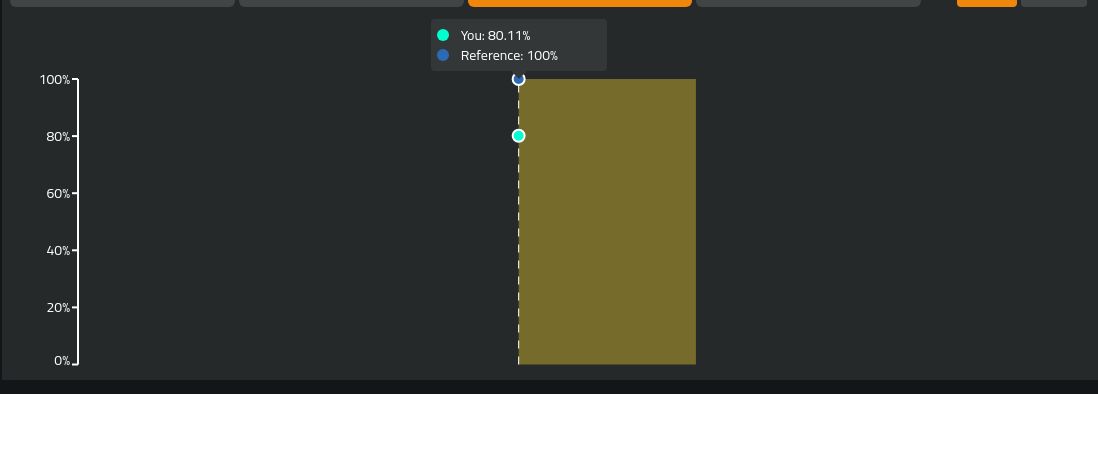
In the provided throttle control analysis, there is a clear discrepancy between driverA and driverB's throttle application. DriverA initiates throttle application significantly earlier than driverB, which is indicative of premature acceleration. This early throttle application likely leads to a loss of potential exit speed as the car has not yet reached the optimal line or settled from the cornering forces, resulting in less grip available for acceleration. Moreover, driverB's throttle application is not only later but also more progressive, suggesting a controlled and smoother transition from braking to acceleration. This smoother curve in the graph reflects a more effective use of grip, allowing for better traction and ultimately a faster exit speed. DriverA should aim to delay and modulate their throttle input more closely to that of driverB to optimize corner exit speed and improve overall lap time.