117,904
117K
Laps driven today

iRacing

Le Mans Ultimate

Assetto Corsa Competizione

Assetto Corsa

F1 25

Assetto Corsa EVO

Automobilista 2

Forza Motorsport

F1 24

F1 2021

F1 23

F1 2020


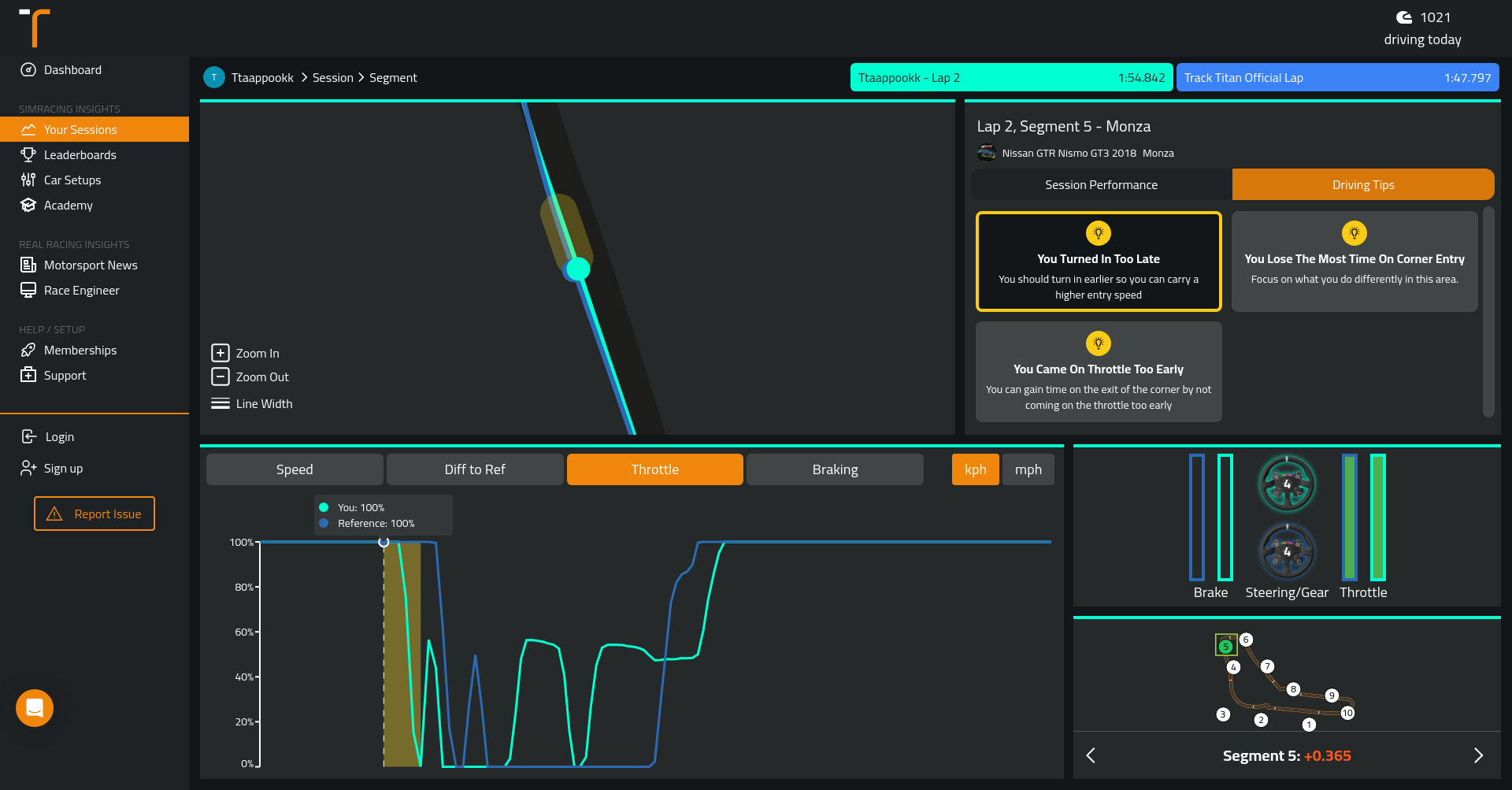
Lap 2
Segment 5
1:54.842
6th Feb 2024
Assetto Corsa Competizione
Monza - Nissan GTR Nismo GT3 2018

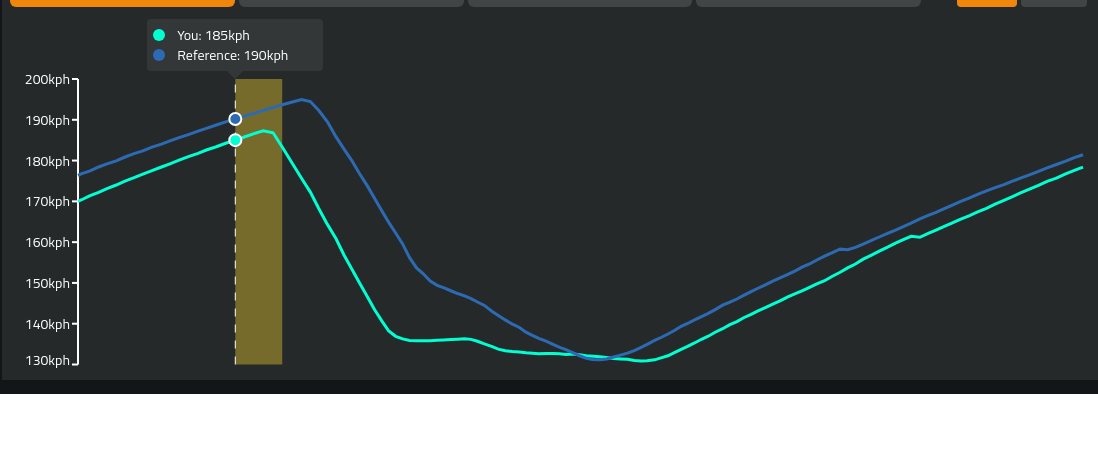
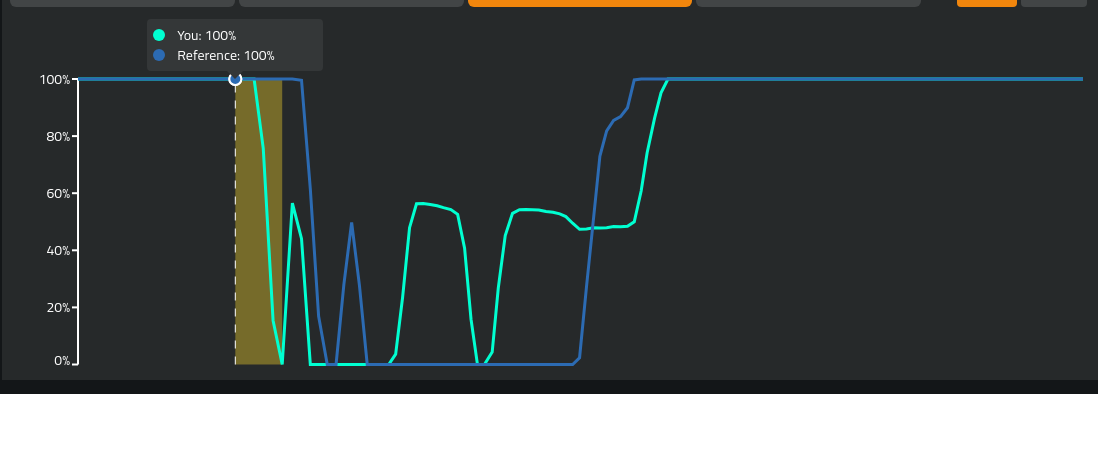
The speed chart analysis reveals that driverB is entering corners at a lower speed than driverA, which results in a slower corner entry phase and a later minimum speed point. This indicates that driverB is not carrying enough momentum from the previous corner and is delaying throttle application, leading to a less steep acceleration curve. To enhance their performance, driverB should focus on increasing their entry speed by turning in earlier and managing their throttle application more effectively to avoid premature acceleration and maximize exit speed. On the other hand, driverA's throttle control analysis shows a premature and sharp increase in throttle, as seen by the steep curve on the chart. This early acceleration could lead to loss of grip and a suboptimal exit speed. The head coach notes that this early throttle action causes driverA to lose time on corner exit. For better lap times, driverA should aim for a smoother and more gradual throttle application similar to driverB's approach. By delaying and moderating their acceleration out of the corner, they can achieve higher exit speeds and improve overall track performance following the corner.
Analyzing the speed chart, it's evident that driverB enters the corner at a significantly lower speed compared to driverA. This is immediately noticeable at the very start of the chart on the left, indicating that driverB exited the previous corner with less momentum. This initial speed deficit has a cascading effect, as driverB carries this lower speed throughout the corner entry phase, which is where they lose most of their time relative to driverA. Furthermore, driverB's minimum speed in the corner occurs later than that of driverA, suggesting a delayed throttle application. This delay not only impacts their exit speed but also results in a less steep acceleration curve compared to driverA. To improve performance, driverB should focus on carrying more entry speed into the corner by turning in earlier and managing throttle application better to avoid premature acceleration, which hinders their ability to maximize exit speed and overall lap time potential.

In the provided throttle control analysis, there is a clear distinction between the inputs of driverA and driverB. DriverA exhibits a premature and sharp increase in throttle application, as evidenced by the steep curve on the chart. This suggests that driverA is accelerating too early, which could lead to a loss of grip and suboptimal exit speed from the corner. In contrast, driverB demonstrates a more gradual application of throttle, indicating a controlled and smoother acceleration that likely contributes to maintaining better traction and ultimately faster corner exit speed. Furthermore, driverA's early throttle input correlates with the head coach's note about coming on throttle too soon. This premature action is causing driverA to lose time on corner exit. To improve lap times, driverA should aim to replicate the smoother throttle application seen from driverB. By delaying and moderating their acceleration out of the corner, they can achieve higher exit speeds and improve overall performance on track sections following the corner.