114,324
114K
Laps driven today

iRacing

Le Mans Ultimate

Assetto Corsa Competizione

Assetto Corsa

F1 25

Assetto Corsa EVO

Automobilista 2

Forza Motorsport

F1 24

F1 2021

F1 23

F1 2020


Lap 1
Segment 4
1:44.710
6th Feb 2024
Assetto Corsa Competizione
Imola - Porsche 911 (992) GT3 R

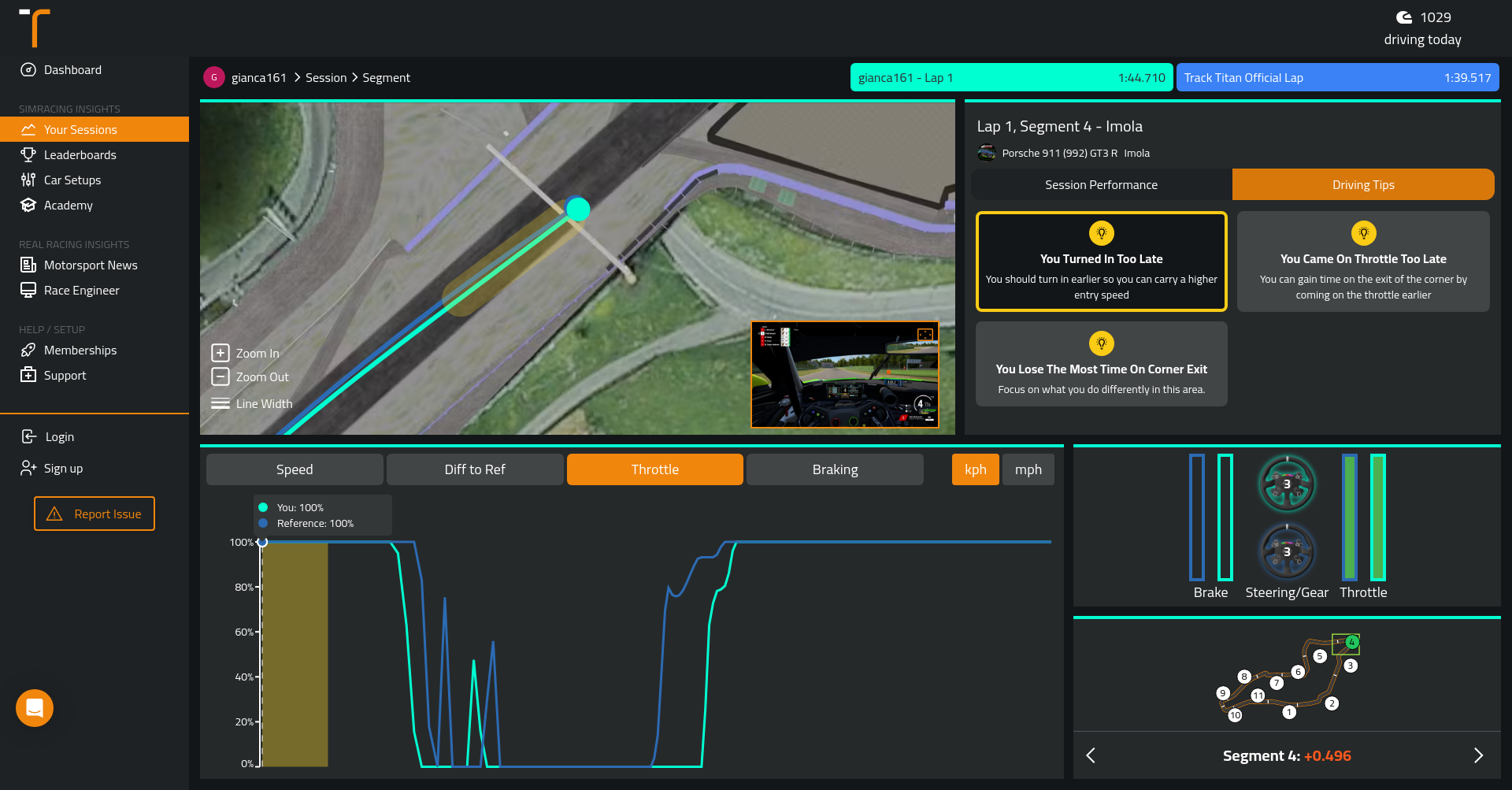
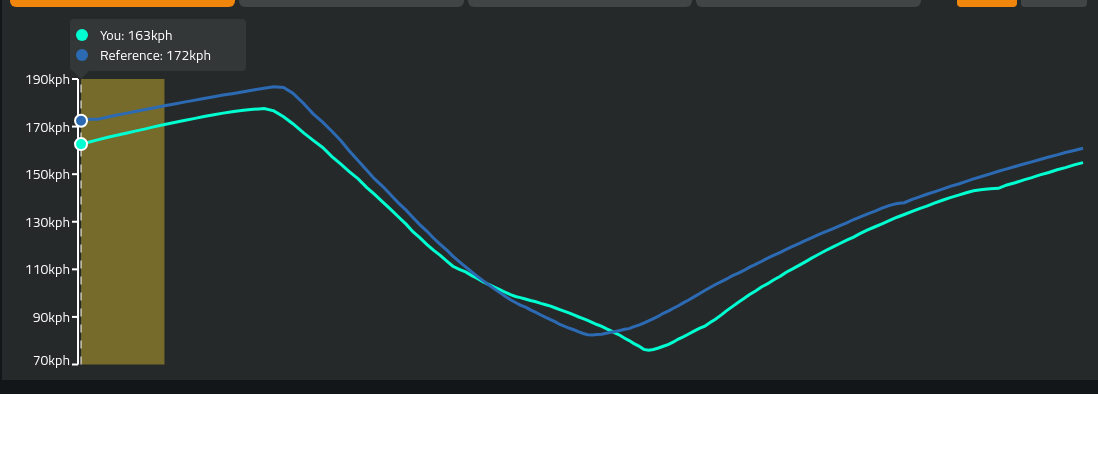
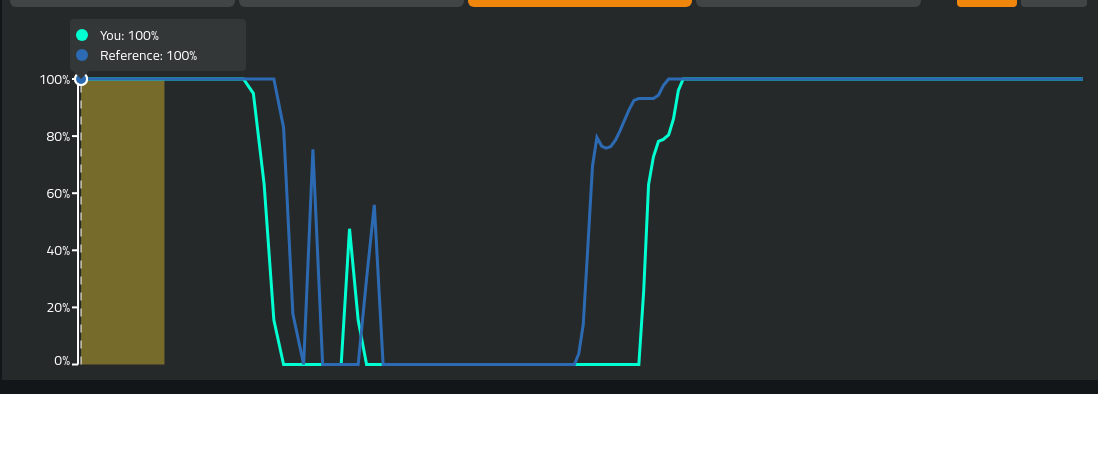
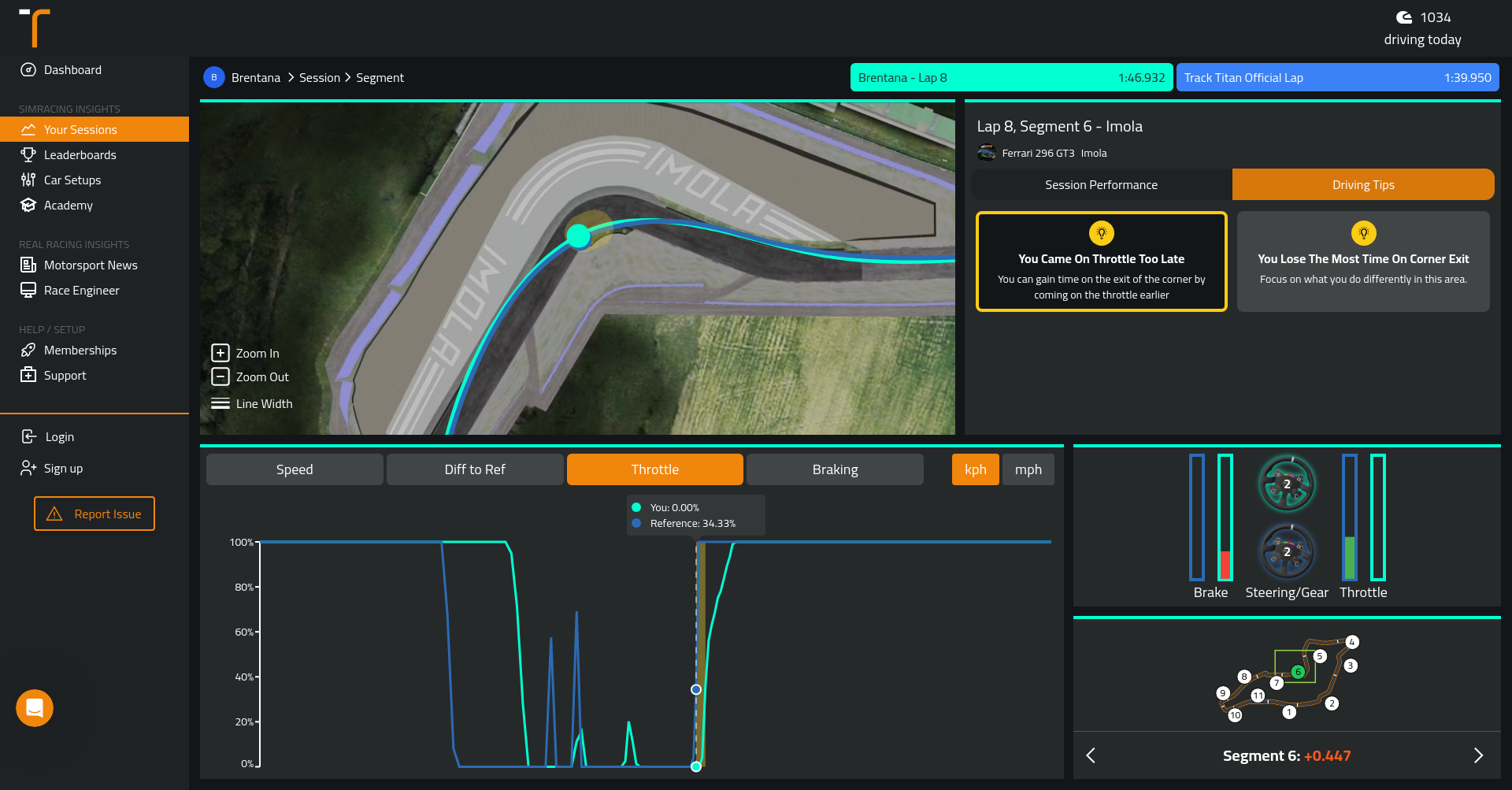
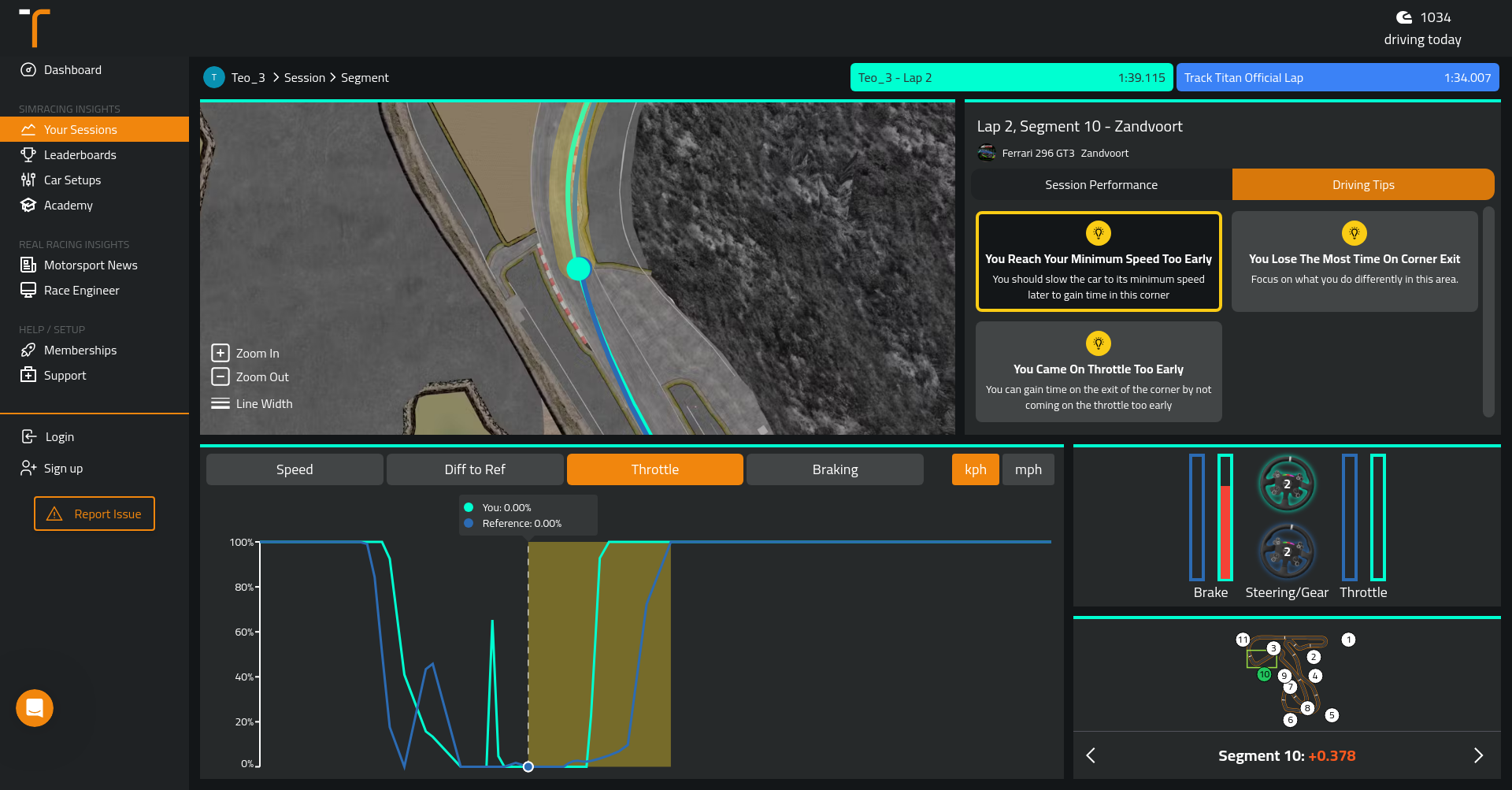
The speed chart analysis reveals that driverB is entering the corner at a slower speed than driverA, which is likely due to less momentum from the previous corner. This impacts their approach and entry into the current corner. DriverB also has a lower minimum speed within the corner and begins to accelerate later than driverA, resulting in lost time on corner exit. To improve, driverB should aim to carry more entry speed by turning in earlier and getting on the throttle sooner to enhance exit speed. In terms of throttle control, driverA's application is delayed and gradual compared to driverB's rapid application. This suggests that driverA is hesitant and comes on the throttle too late, losing potential acceleration and time. DriverB applies the throttle earlier and with more intensity, indicating confidence and commitment. DriverA should focus on improving their performance by adjusting their timing and intensity of throttle inputs to match those of driverB, particularly on corner exit where they are losing time.
Analyzing the speed chart, it's evident that driverB is entering the corner at a lower speed compared to driverA. This can be observed at the very start of the chart, where driverB's speed is already trailing behind. This indicates that driverB exited the previous corner with less momentum, which has a cascading effect on their approach and entry into the current corner. Furthermore, there is a noticeable difference in minimum speeds within the corner. DriverB's minimum speed is lower than that of driverA and occurs later in the corner. This suggests that driverB is on the brakes for longer and begins to accelerate later than driverA, leading to a loss of time on corner exit. The subsequent acceleration phase for driverB also shows a shallower gradient compared to driverA, confirming that they are unable to gain speed as quickly after the corner, further contributing to their time deficit in this section of the track. To improve, driverB should focus on carrying more entry speed by turning in earlier and getting on the throttle sooner to maximize exit speed.

In the provided throttle control analysis, there is a clear distinction between the throttle application of driverA and driverB. DriverA exhibits a delayed and gradual increase in throttle application compared to driverB, who applies the throttle more rapidly. This indicates that driverA is coming on the throttle too late, particularly at the point where driverB's line begins to steepen significantly. This hesitation results in a loss of potential acceleration and subsequently, time. Furthermore, the intensity of driverB's throttle application is much higher, as seen by the steeper incline in their graph line. This suggests that driverB is not only applying the throttle earlier but also with more confidence and commitment. DriverA's slower rate of increase in throttle application may be contributing to time lost on corner exit, which is where they should focus on improving their performance by emulating the timing and intensity of driverB's inputs.