117,319
117K
Laps driven today

iRacing

Le Mans Ultimate

Assetto Corsa Competizione

Assetto Corsa

F1 25

Assetto Corsa EVO

Automobilista 2

Forza Motorsport

F1 24

F1 2021

F1 23

F1 2020


Lap 2
Segment 2
1:31.112
6th Feb 2024
Assetto Corsa Competizione
Brands Hatch - Audi R8 LMS 2015

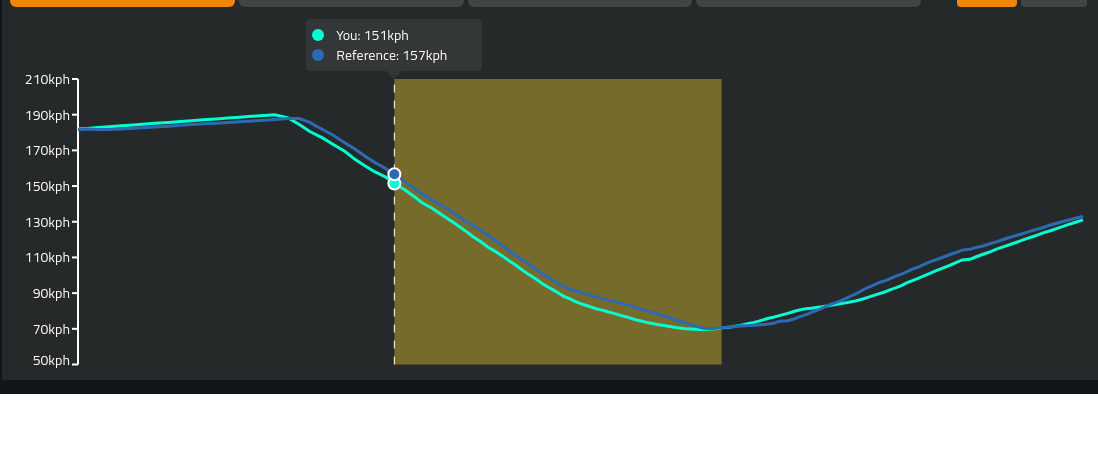
The speed chart analysis reveals that driverB is entering the corner at a lower speed than driverA, indicating a slower exit from the previous corner. This initial speed deficit carries through to the corner entry. In the mid-corner phase, driverB's minimum speed is lower and occurs later than driverA's, suggesting hesitancy and a delayed transition to throttle application. This results in a slower exit speed for driverB compared to driverA, who accelerates out of the corner more steeply. DriverB should work on maintaining more momentum through the mid-corner and timing their throttle application better to improve their exit speed. Meanwhile, when examining throttle control, driverA applies throttle earlier but in a less smooth manner, likely causing wheelspin or grip issues. DriverB's later but smoother throttle application indicates better traction management and a more effective exit strategy. To enhance performance, driverA needs to delay and smooth out their throttle input for improved mid-corner speed and exit velocity. By focusing on these adjustments, both drivers can optimize their cornering technique for better overall lap times.
Analyzing the speed chart, it's evident that driverB is entering the corner with a lower speed compared to driverA. This is indicated by the initial left portion of the chart where driverB's speed line starts below that of driverA. This suggests that driverB had a slower exit from the previous corner, which has carried over into the entry of this corner, resulting in a speed deficit right from the beginning. In the middle section of the corner, there is a significant difference in minimum speeds between both drivers. DriverB's minimum speed dips lower than that of driverA and occurs later as well. This delay in reaching minimum speed indicates that driverB may have been hesitant or conservative in this phase of the corner, losing time as they transitioned to throttle application later than driverA. Consequently, this has affected their exit speed out of the corner, with a less steep increase in acceleration compared to driverA, leading to time lost on corner exit as well. DriverB needs to focus on carrying more momentum through the mid-corner phase and timing their throttle application better to optimize their exit speed.

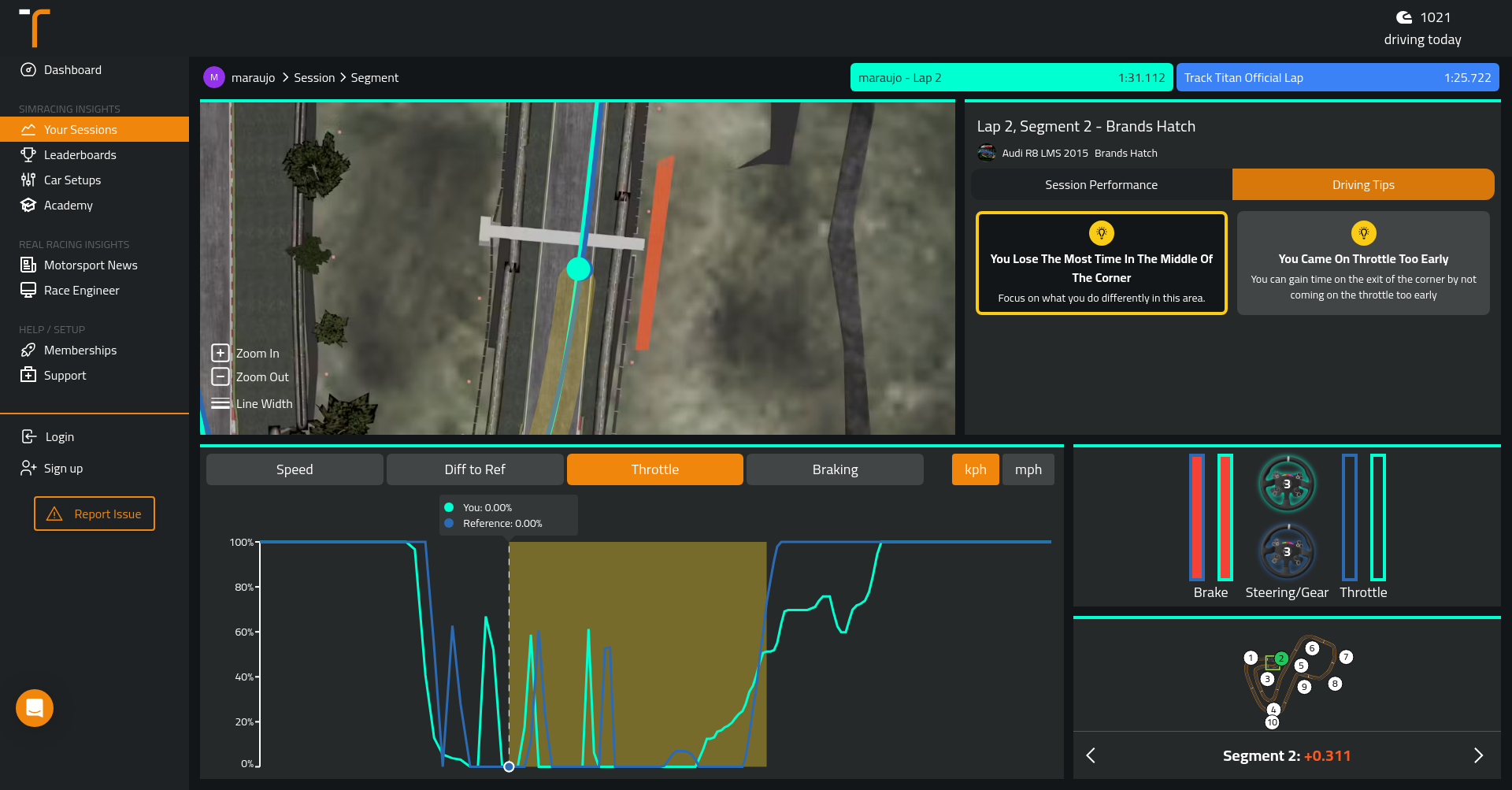
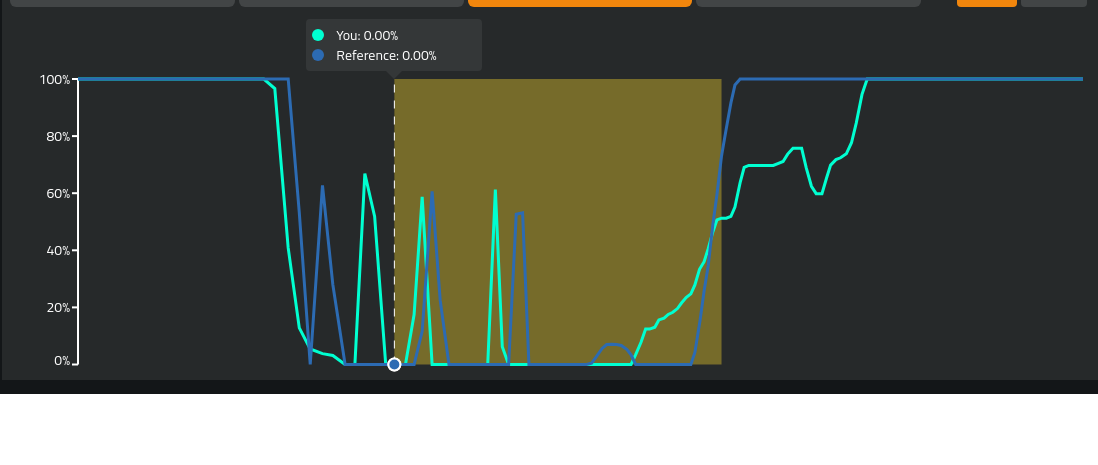
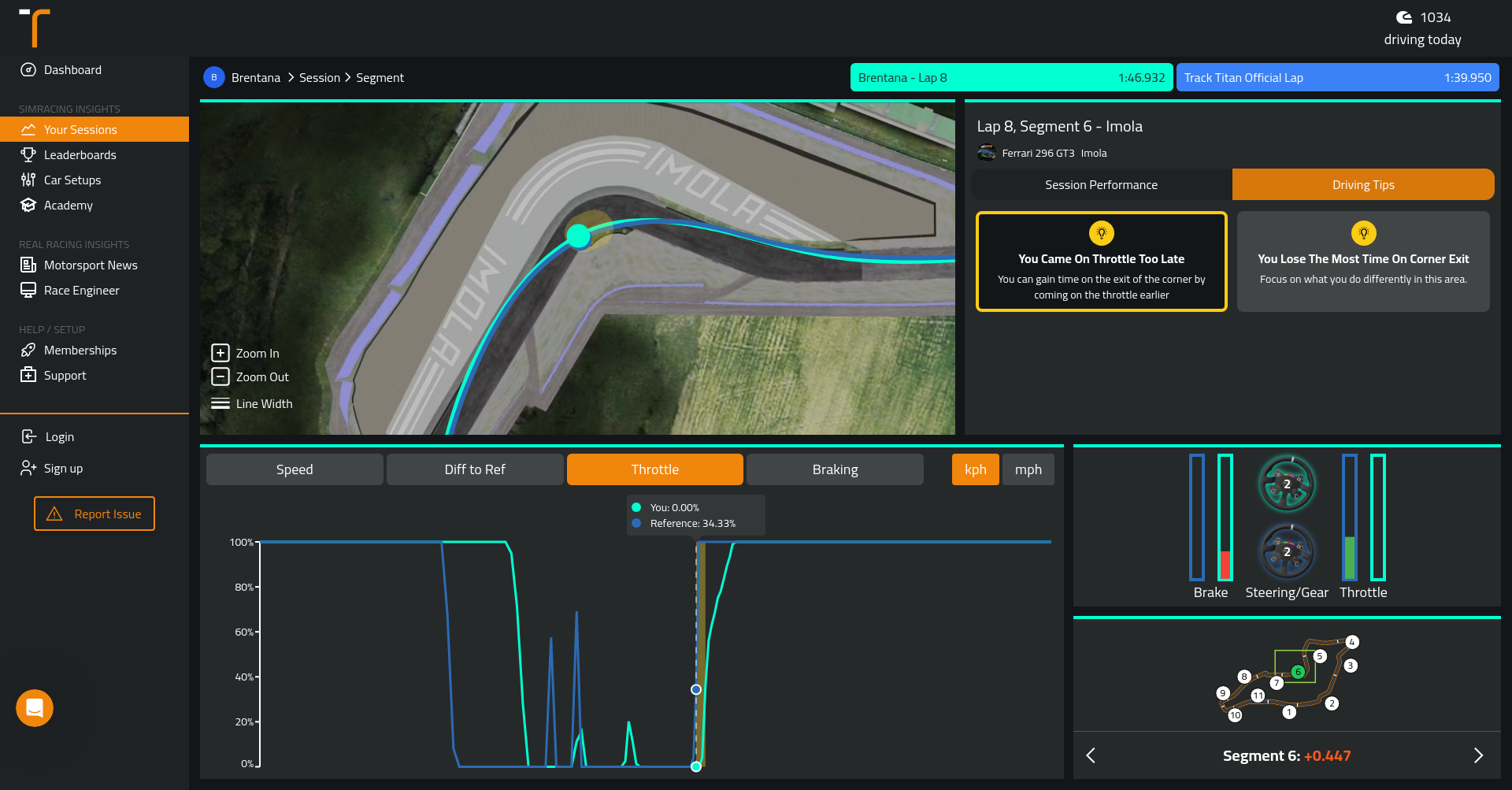
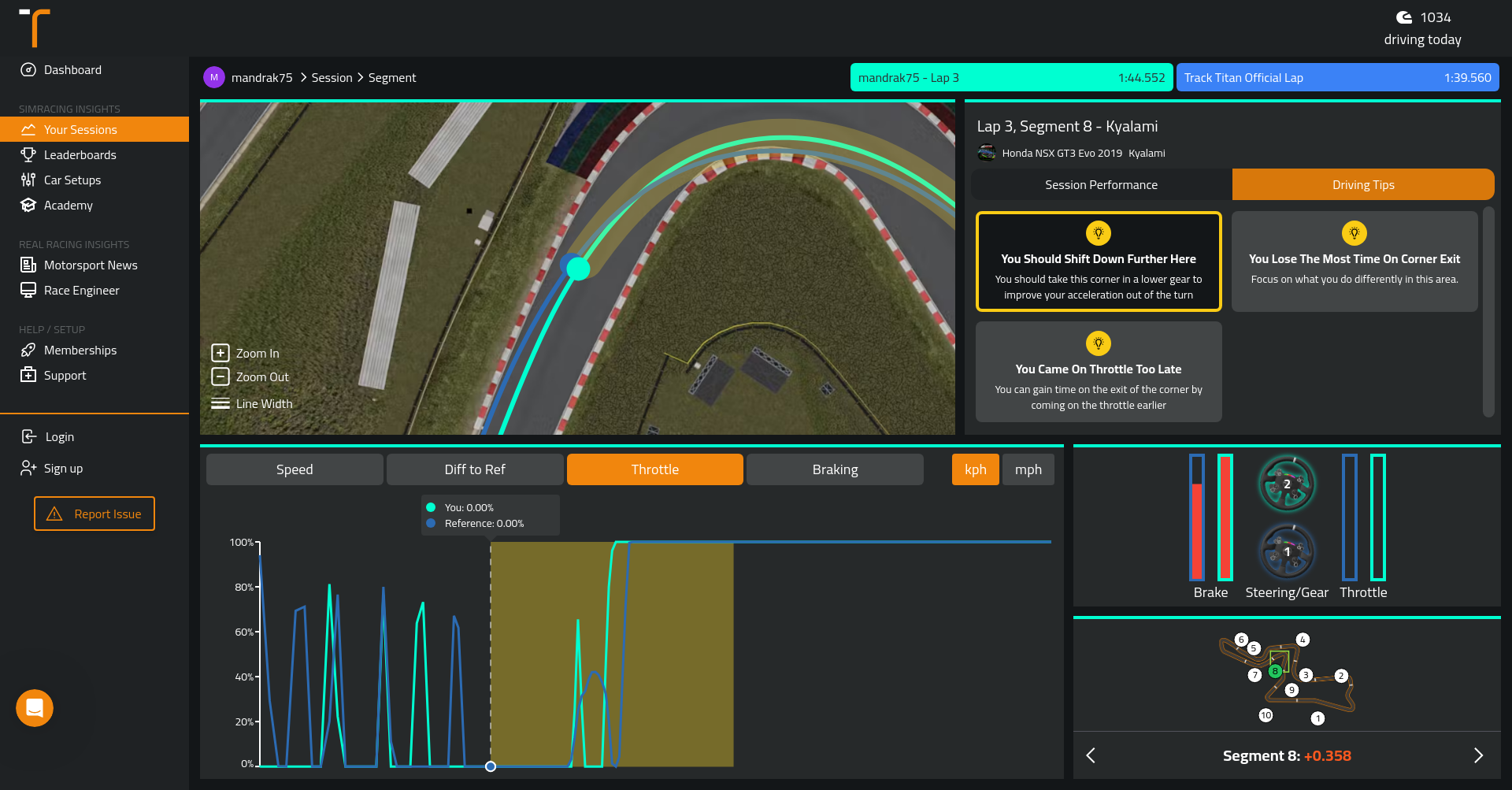
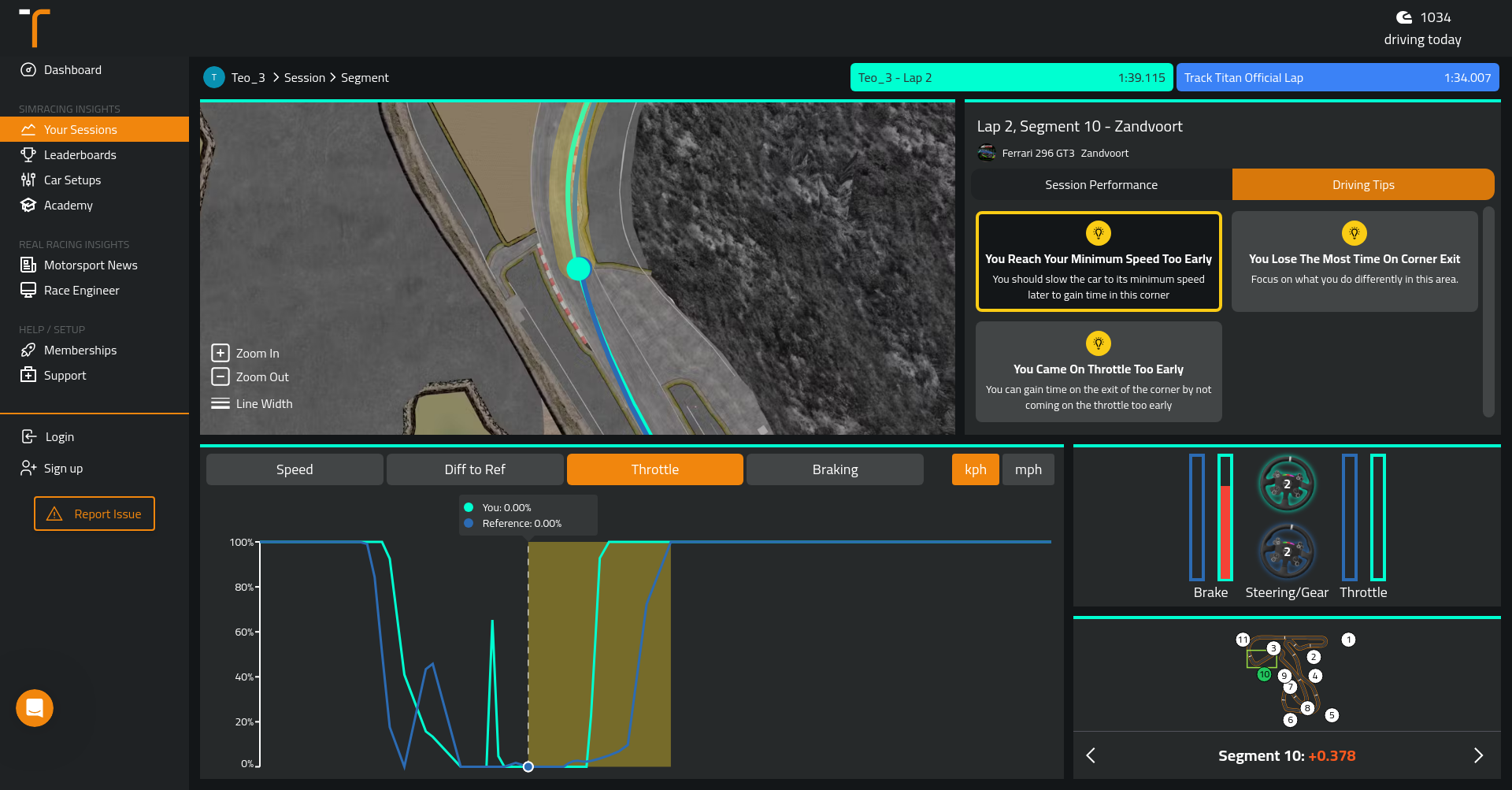
Analyzing the throttle control chart, it's evident that driverA initiates throttle application significantly earlier than driverB in the corner. This premature application leads to a less smooth increase in throttle, which can be seen as a jagged line compared to driverB's smoother curve. This suggests that driverA is likely experiencing wheelspin or a lack of grip due to coming on the throttle too soon, which would compromise their exit speed and overall corner performance. In contrast, driverB applies the throttle later but with a more gradual and controlled manner. This indicates better traction management and a more effective corner exit strategy. The smoother curve of driverB's throttle application points to maximized grip and stability, allowing for better acceleration out of the corner. DriverA should aim to delay their throttle input slightly and focus on a smoother application to improve their mid-corner speed and subsequent exit velocity.