114,324
114K
Laps driven today

iRacing

Le Mans Ultimate

Assetto Corsa Competizione

Assetto Corsa

F1 25

Assetto Corsa EVO

Automobilista 2

Forza Motorsport

F1 24

F1 2021

F1 23

F1 2020


Lap 2
Segment 9
1:50.102
7th Feb 2024
Assetto Corsa Competizione
Imola - BMW M4 GT3 2022

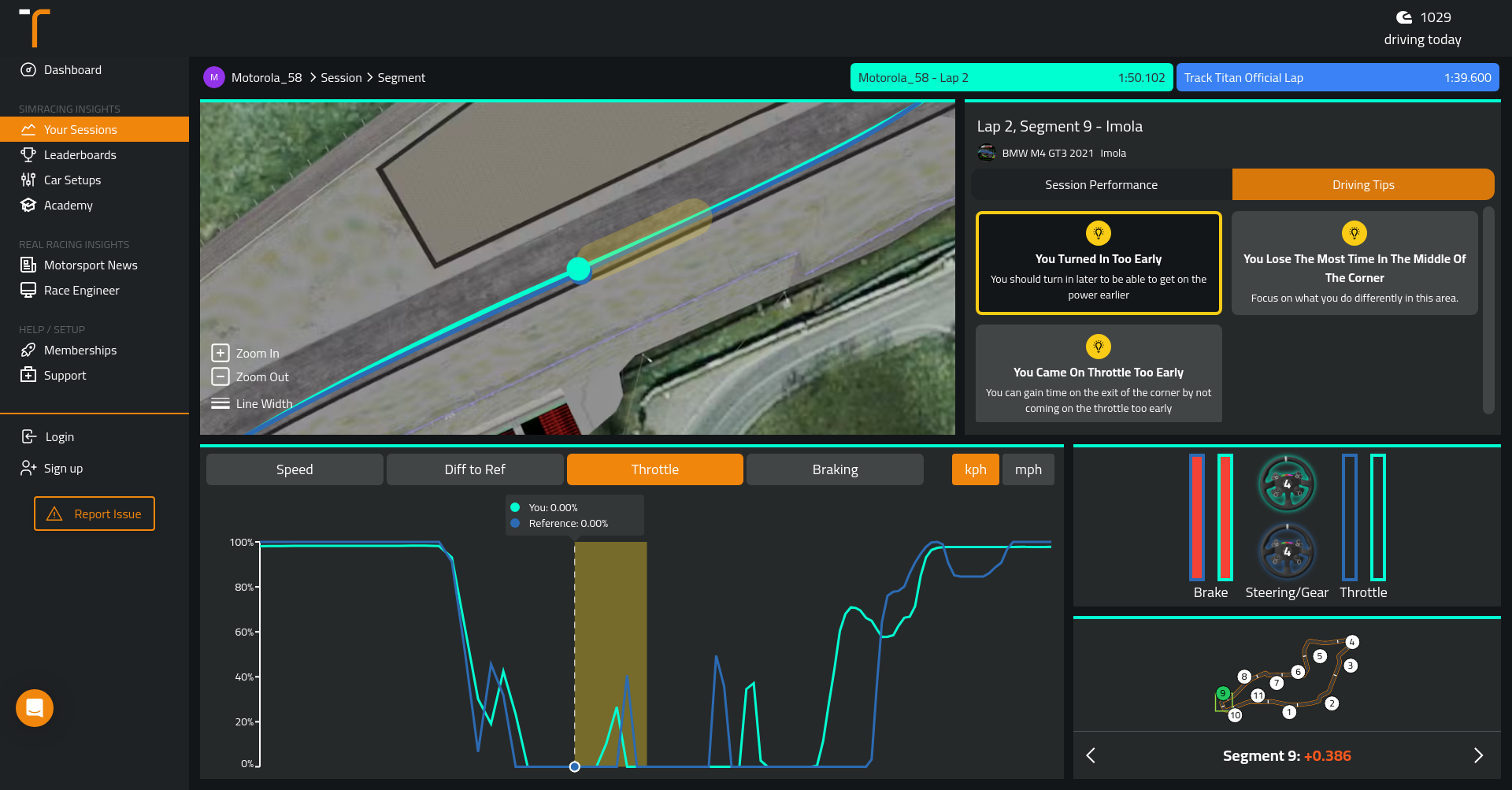
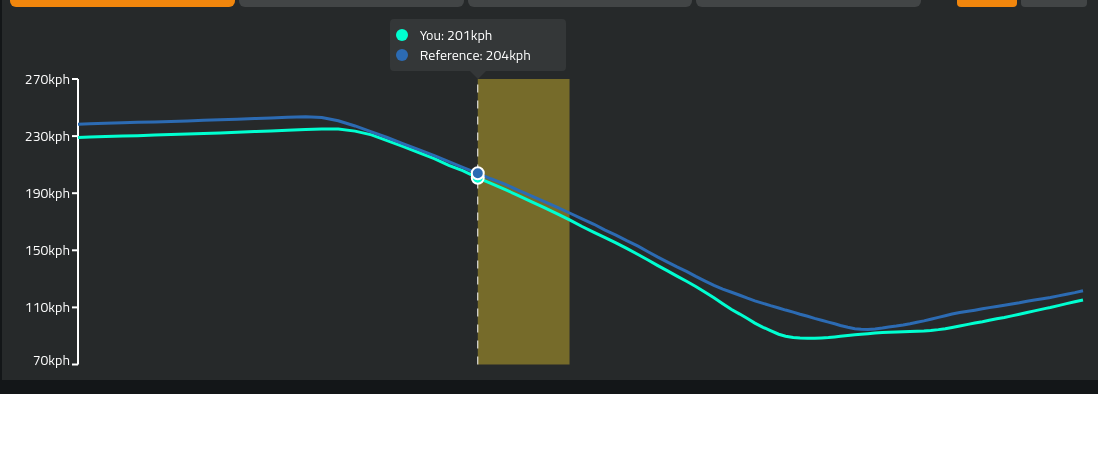
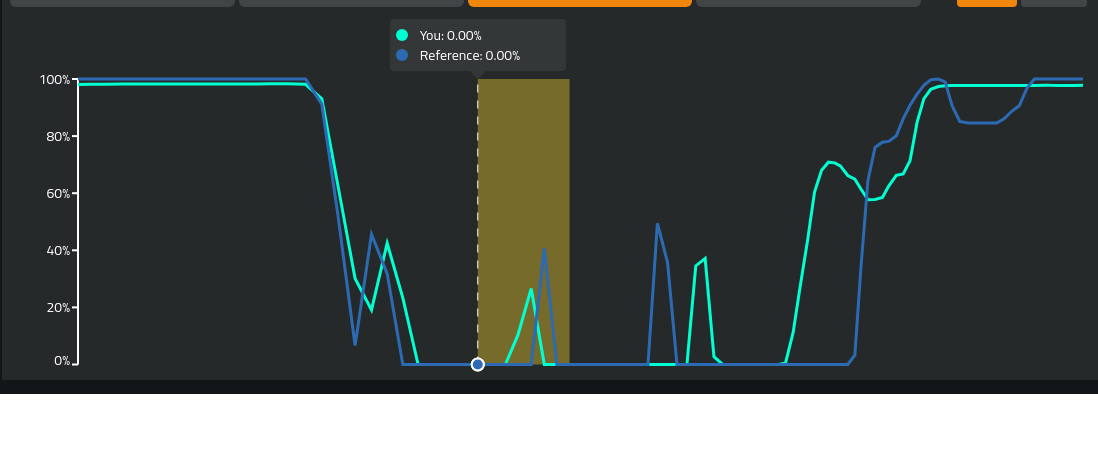
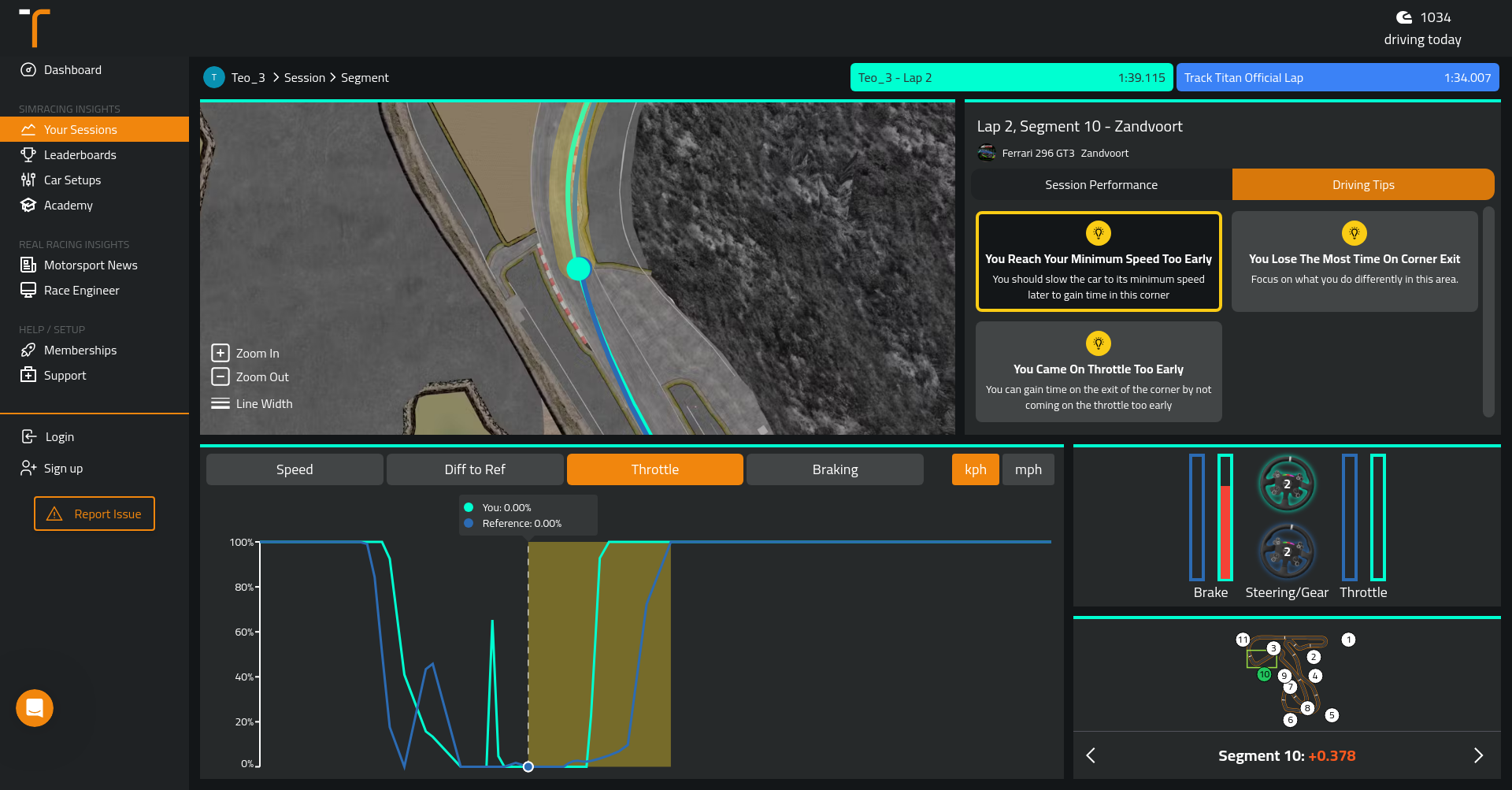
The speed chart analysis reveals that driverB enters the corner with less speed than driverA, indicating a loss of momentum from the previous corner which is crucial for maintaining higher speeds on the track. DriverB's minimum speed in the mid-corner phase is significantly lower and occurs later than driverA's, suggesting a delayed throttle application that results in a slower exit and less acceleration onto the next straight. To improve, driverB should carry more speed from the preceding corner and time their throttle application better to optimize mid-corner and exit speeds. The throttle control chart shows that driverA applies the throttle earlier than driverB, leading to a jagged increase indicative of wheelspin management issues. This early engagement likely affects their exit speed as they cannot apply full power as cleanly or quickly as driverB. In contrast, driverB's gradual and controlled throttle increase suggests better traction management and a more effective transition from braking to acceleration, aiding in carrying more speed onto the straight. DriverA should aim for a smoother curve by delaying initial throttle input and gradually increasing power to maximize traction and exit speed.
Analyzing the speed chart, it's evident that driverB is entering the corner with a lower speed compared to driverA. This suggests that driverB did not carry as much momentum out of the previous corner, which is crucial for maintaining higher speeds throughout the track. Specifically, at the very start of the chart on the left, driverB's speed is already lower than that of driverA, indicating a loss of time even before approaching the corner. During the mid-corner phase, driverB's minimum speed is significantly lower than that of driverA and occurs later in time. This delay in reaching minimum speed indicates a later throttle application by driverB, resulting in a slower exit from the corner and less acceleration onto the following straight. The gradient of driverB's speed increase post-minimum speed is also less steep compared to driverA's, confirming a timeloss due to delayed acceleration. To improve performance, driverB should focus on carrying more speed from the previous corner and timing their throttle application to optimize their mid-corner and exit speeds.

Analyzing the throttle control chart, it's evident that driverA engages the throttle significantly earlier than driverB. This premature application results in a less smooth increase, as indicated by the jagged line, which suggests difficulty in managing wheelspin. DriverA's early throttle engagement is likely compromising their exit speed from the corner, as they are unable to apply full power as cleanly or as quickly as driverB. DriverB, on the other hand, demonstrates a more gradual and controlled increase in throttle application. This indicates a more effective management of traction and a better-prepared exit from the corner. The smoother curve of driverB's throttle application also points to a later but more decisive transition from braking to acceleration, which is conducive to carrying more speed onto the following straight. DriverA should aim to replicate this smoother curve by delaying their initial throttle input and focusing on gradually increasing power to maximize traction and exit speed.