114,324
114K
Laps driven today

iRacing

Le Mans Ultimate

Assetto Corsa Competizione

Assetto Corsa

F1 25

Assetto Corsa EVO

Automobilista 2

Forza Motorsport

F1 24

F1 2021

F1 23

F1 2020


Lap 2
Segment 8
1:31.425
7th Feb 2024
Assetto Corsa Competizione
Red Bull Ring - BMW M4 GT3 2022

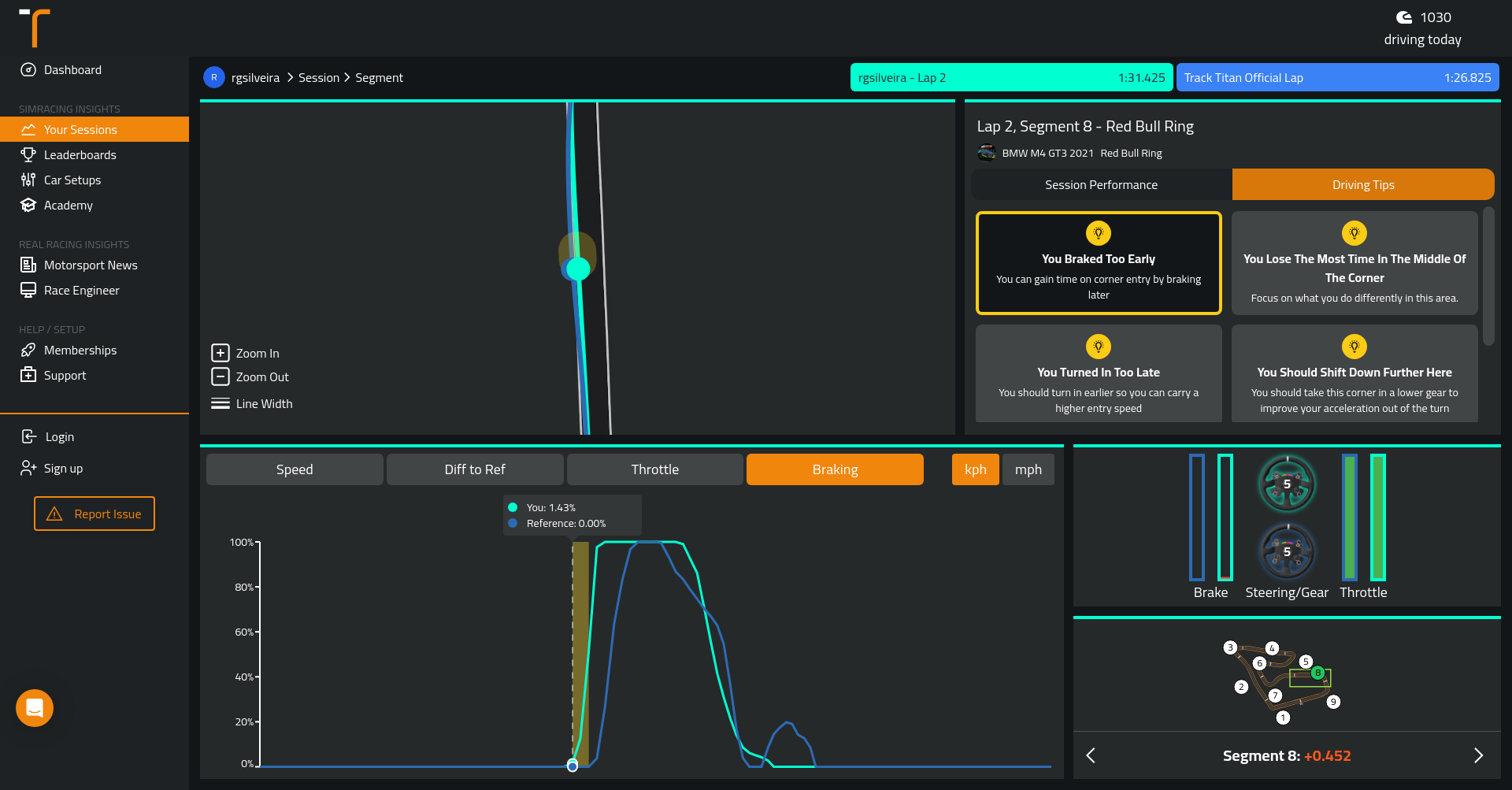
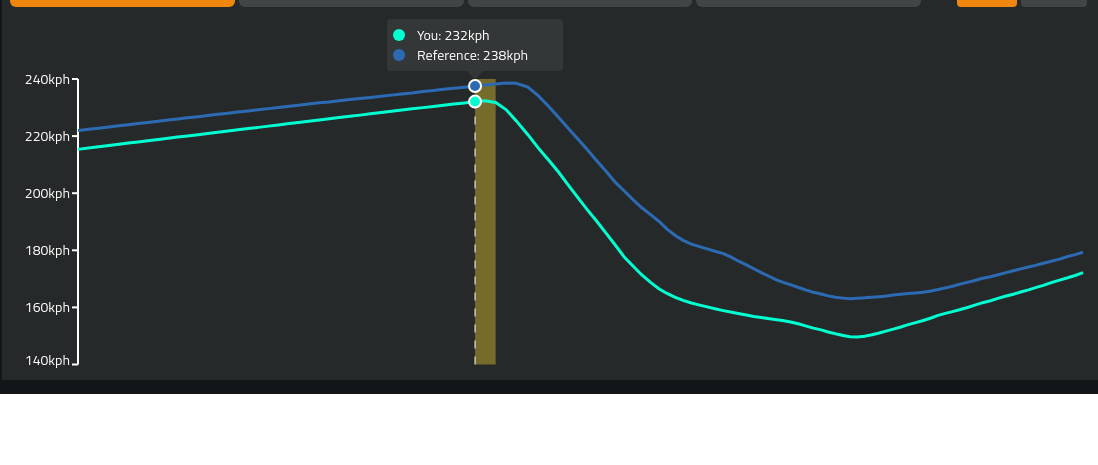
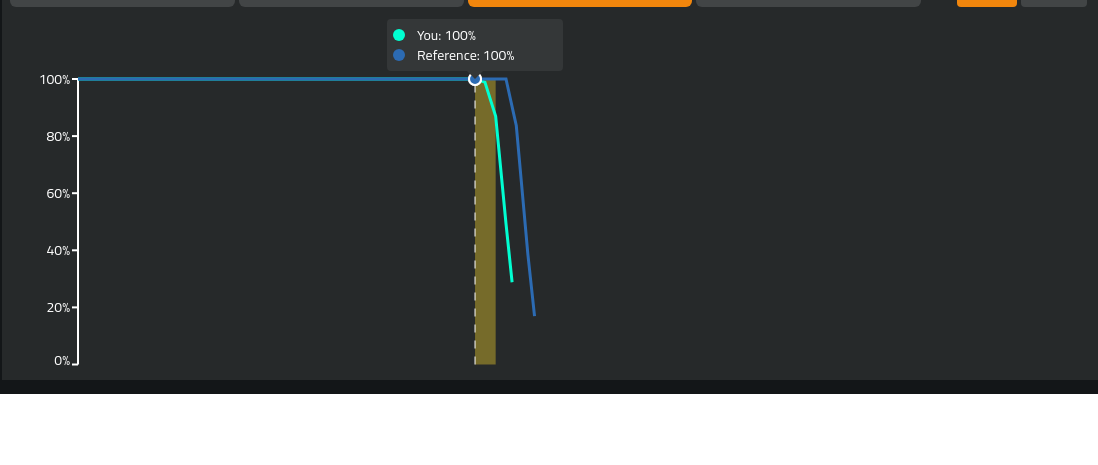
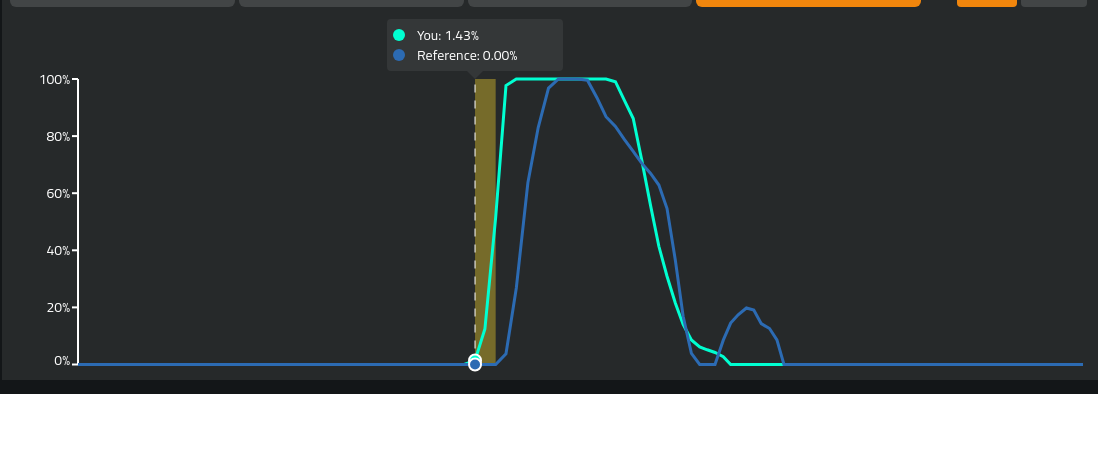
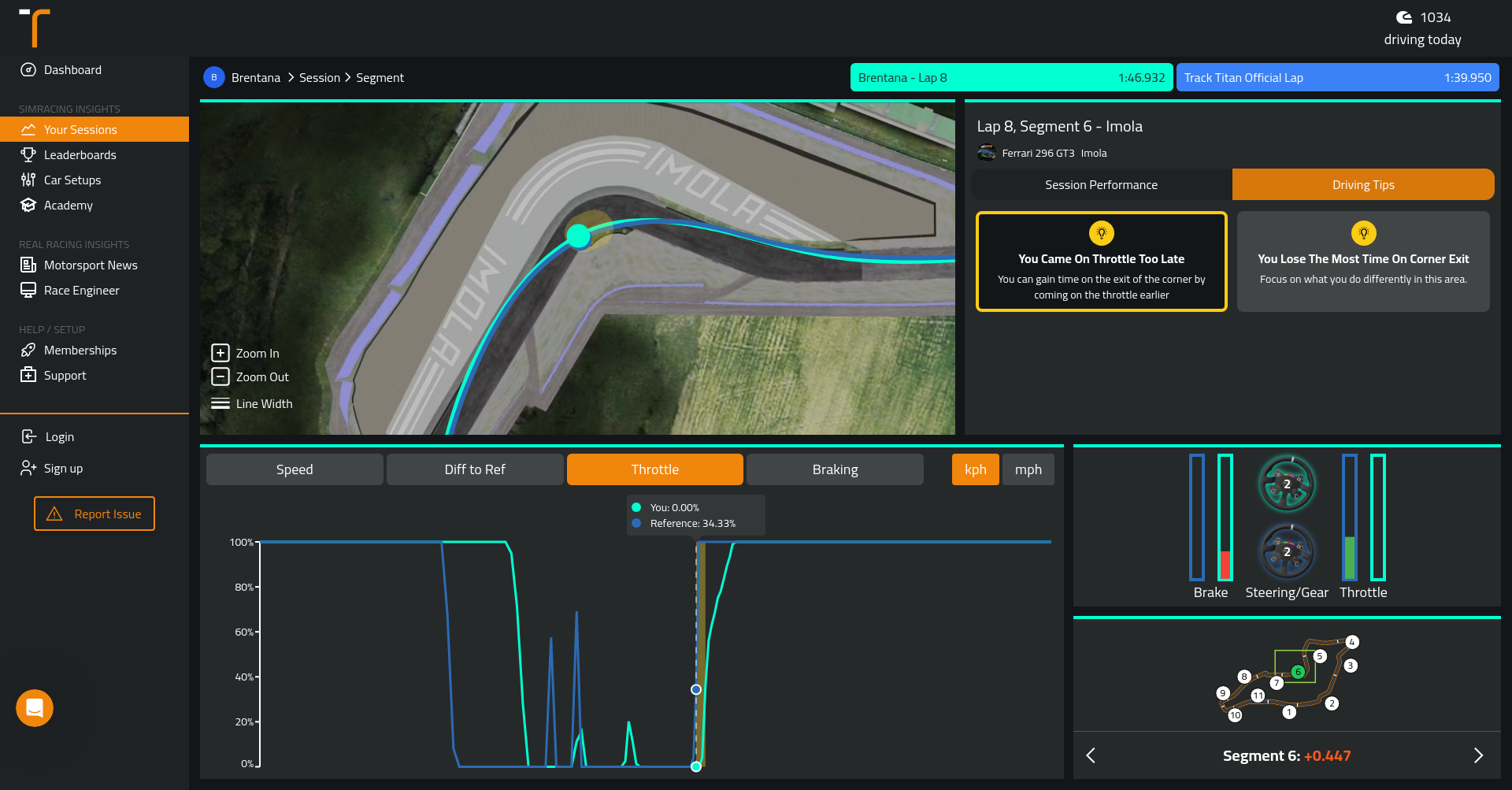
The speed chart analysis reveals that driverB enters the corner at a lower speed than driverA, suggesting less momentum from the previous corner. DriverB also reaches their minimum speed later and lower than driverA, indicating a delayed throttle application and possibly using a higher gear, which hinders acceleration out of the turn. To improve lap times, driverB should turn in earlier to maintain higher entry speed and downshift to maximize acceleration. In throttle control, driverA's delayed and gradual throttle increase points to a loss of potential acceleration out of the corner, while driverB's prompt and intense application suggests better traction utilization and exit speed. DriverA needs to apply the throttle earlier and more decisively for better corner exit performance. The brake application chart shows that driverA brakes earlier and reduces brake pressure gradually, not fully exploiting the braking zone potential and resulting in lower entry speeds. In contrast, driverB brakes later with higher initial pressure followed by a sharper decrease, aiding in carrying more speed through the corner. DriverA should adopt this braking approach to enhance cornering performance.
Analyzing the speed chart, it's evident that driverB enters the corner with a lower speed compared to driverA. This is indicated by the initial left side of the chart where driverB's speed line starts below that of driverA. This suggests that driverB exited the previous corner with less momentum, which has a cascading effect on their entry speed into the current corner. Furthermore, there is a noticeable difference in minimum speeds within the corner; driverB's minimum speed is lower and occurs later than that of driverA. This delay in reaching minimum speed implies a later throttle application by driverB, resulting in less acceleration out of the turn and a subsequent loss of time. Additionally, when examining the middle section of the corner, where both drivers should be at or near their minimum speeds, driverB's line does not begin to ascend as quickly as that of driverA. This indicates that not only did driverB come onto throttle too late but also possibly in a higher gear than optimal. DriverB should focus on turning in earlier to maintain higher entry speed and shifting down further to maximize acceleration out of this turn for improved lap times.

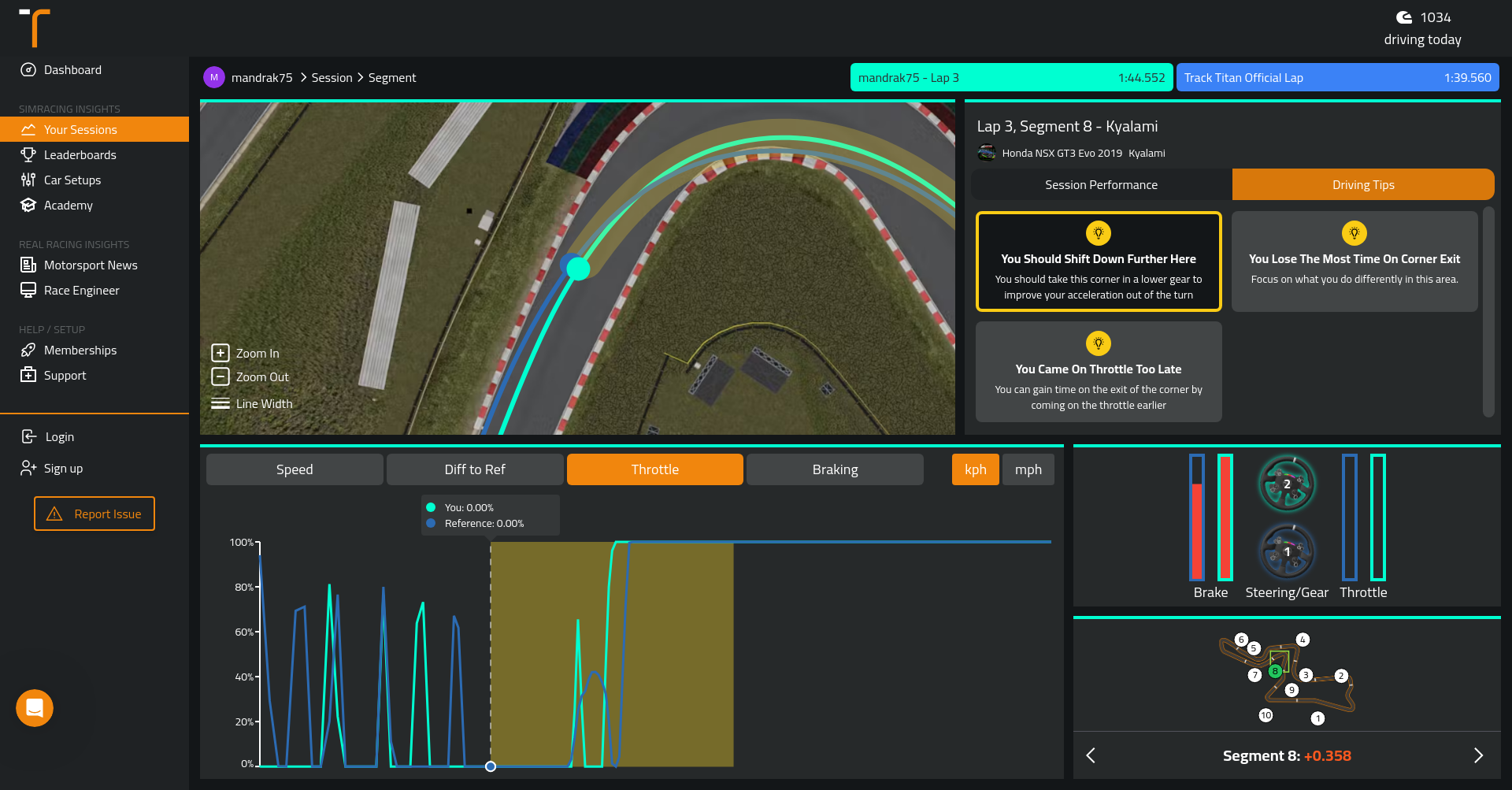
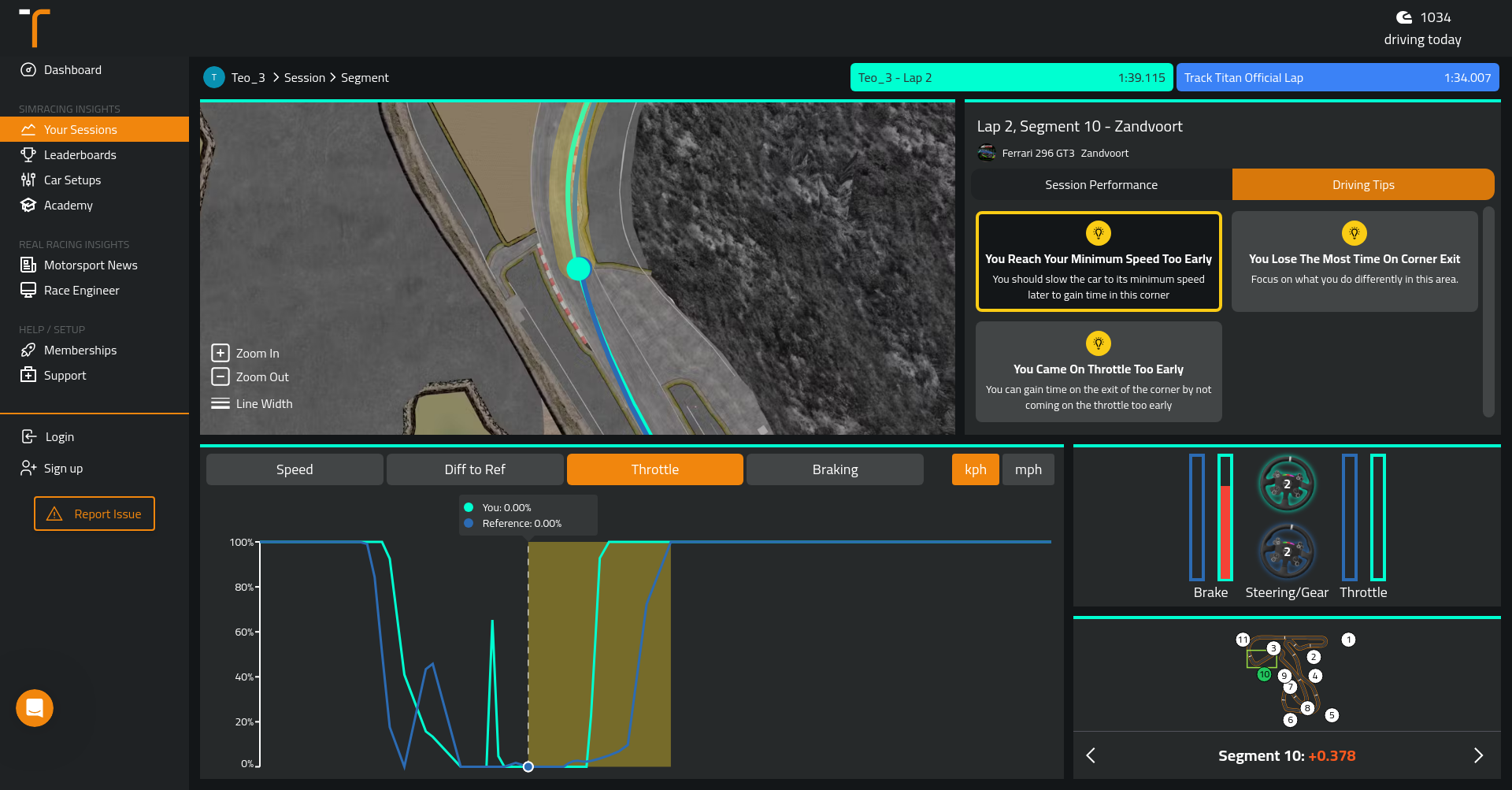
In the provided throttle control analysis, there is a clear distinction between the throttle application of driverA and driverB. DriverA exhibits a delayed and gradual increase in throttle application compared to driverB, who applies the throttle more promptly and with greater intensity. This indicates that driverA is coming on the throttle too late, which results in a loss of potential acceleration out of the corner. The earlier and more decisive throttle input from driverB allows for a quicker exit speed, which can significantly reduce lap times. Furthermore, driverA's gradual increase in throttle could suggest a lack of confidence in the grip or a hesitation to fully commit to accelerating out of the turn. In contrast, driverB's sharper increase in throttle application demonstrates not only confidence but also an understanding of how to maximize traction and exit speed. DriverA should focus on applying the throttle earlier and with more conviction to improve their corner exit performance.

In the provided brake application chart, there is a clear distinction between the braking inputs of driverA and driverB. DriverA initiates braking significantly earlier than driverB, as indicated by the initial spike in brake application. This early braking suggests that driverA is not utilizing the full potential of the braking zone, leading to a lower entry speed into the corner. In contrast, driverB's later onset of braking indicates a more aggressive approach, allowing for higher speeds upon corner entry which can translate to better lap times. Additionally, driverA's brake pressure decreases gradually compared to driverB who maintains higher brake pressure for a shorter duration before reducing it. This gradual reduction by driverA could be indicative of trail braking but it's done over an extended period which might be causing unnecessary time loss in mid-corner speed. DriverB's sharper decrease in brake pressure after a stronger initial application likely helps in carrying more speed through the middle of the corner, which aligns with where driverA loses most time according to your head coach’s notes. Therefore, driverA should aim to replicate this aspect of driverB's technique to improve overall cornering performance.