117,319
117K
Laps driven today

iRacing

Le Mans Ultimate

Assetto Corsa Competizione

Assetto Corsa

F1 25

Assetto Corsa EVO

Automobilista 2

Forza Motorsport

F1 24

F1 2021

F1 23

F1 2020


Lap 3
Segment 6
1:49.425
7th Feb 2024
Assetto Corsa Competizione
Barcelona - Ferrari 296 GT3

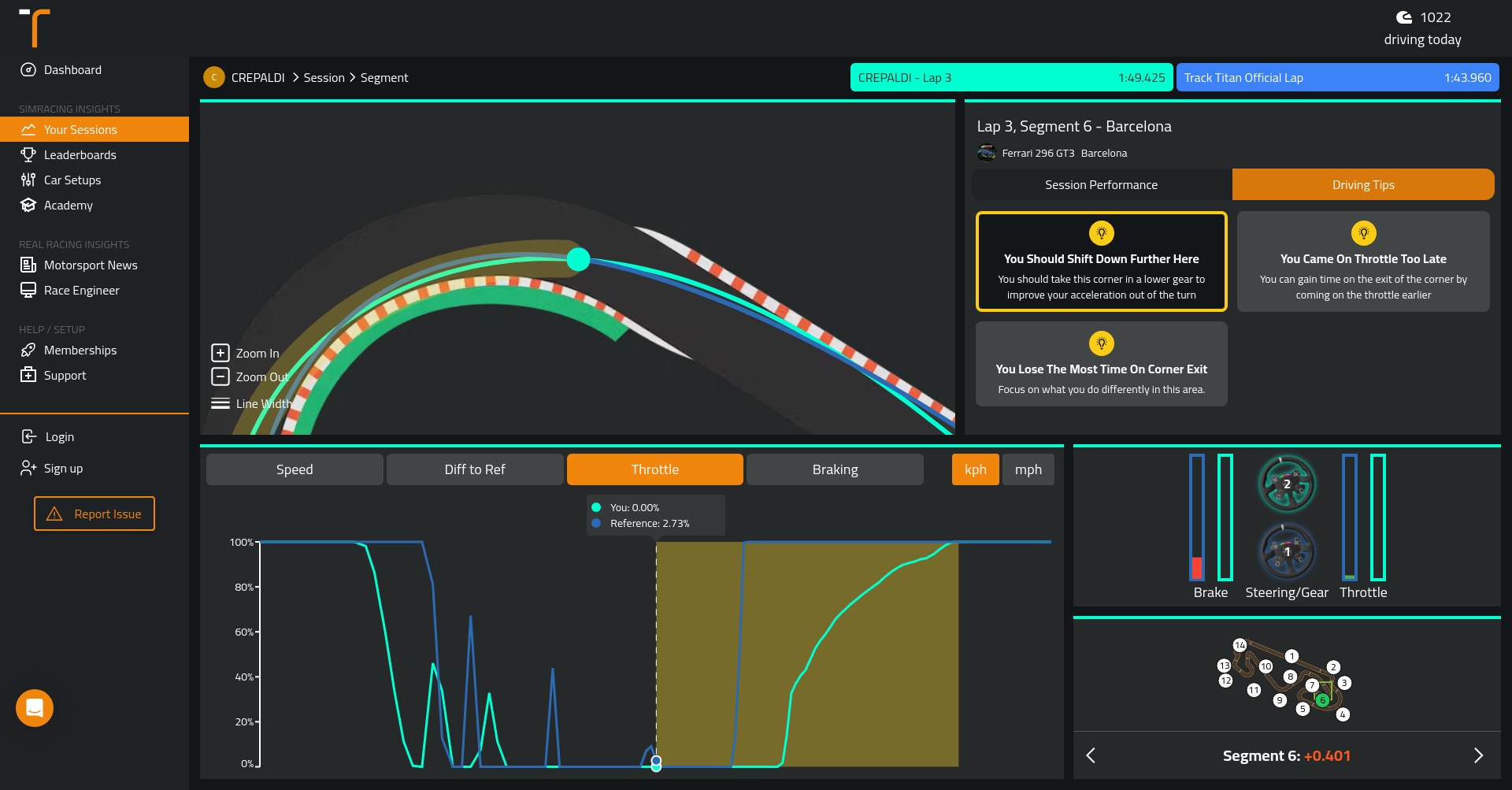
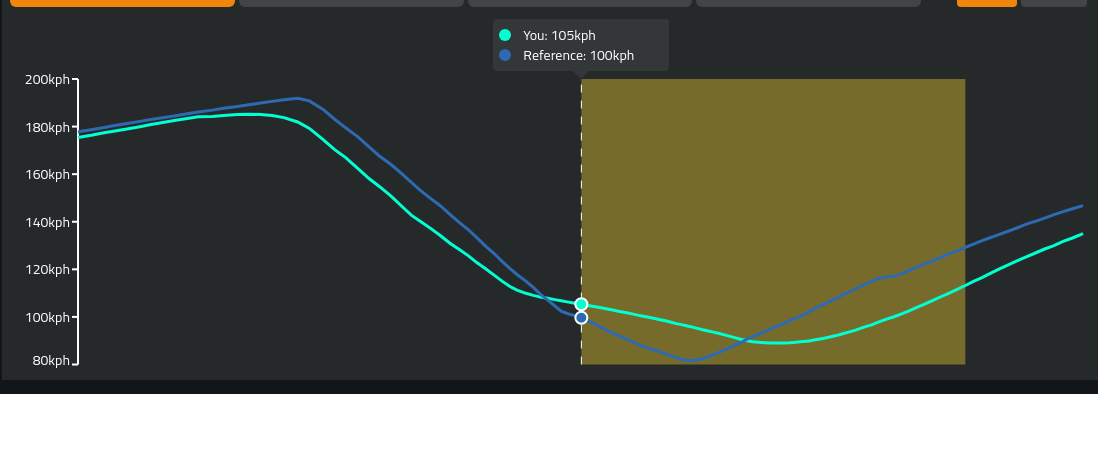
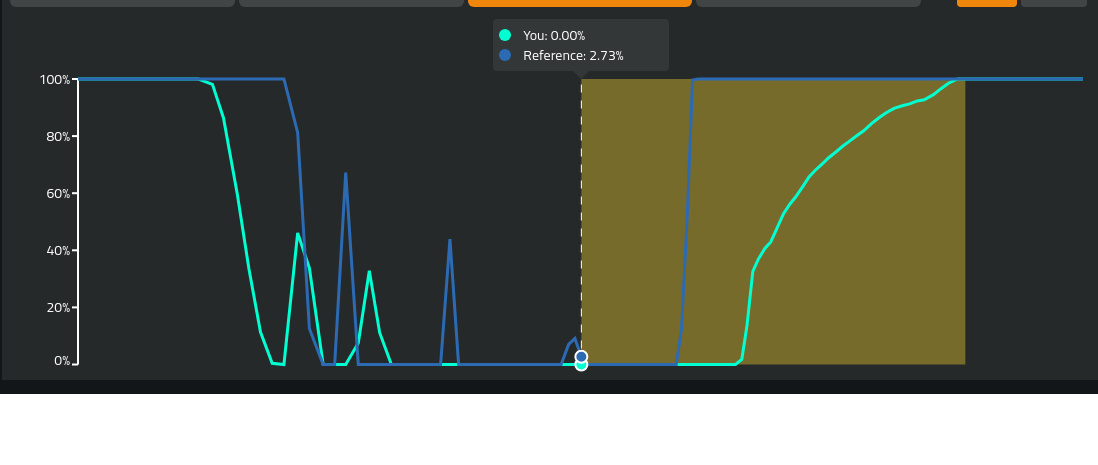
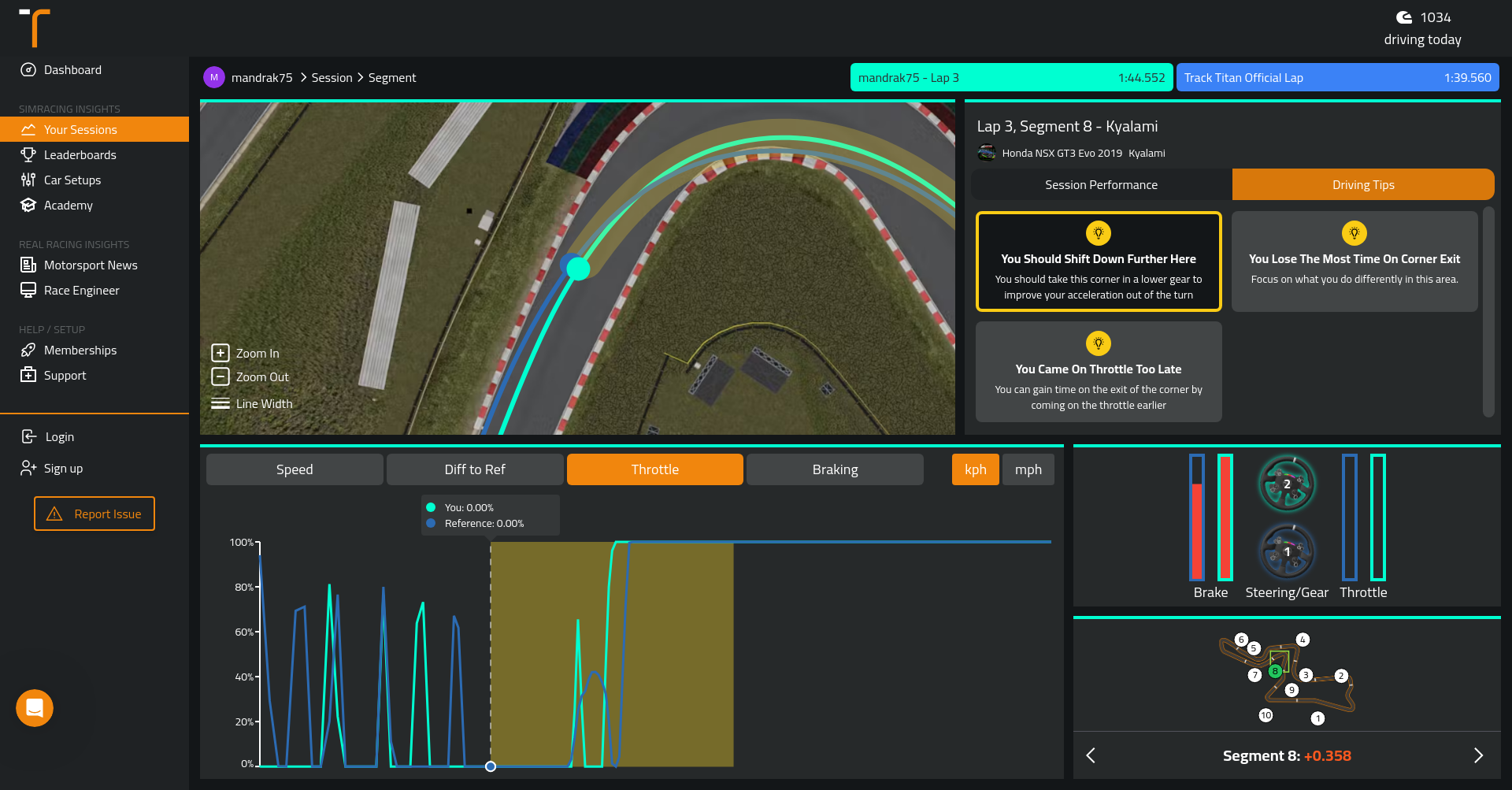
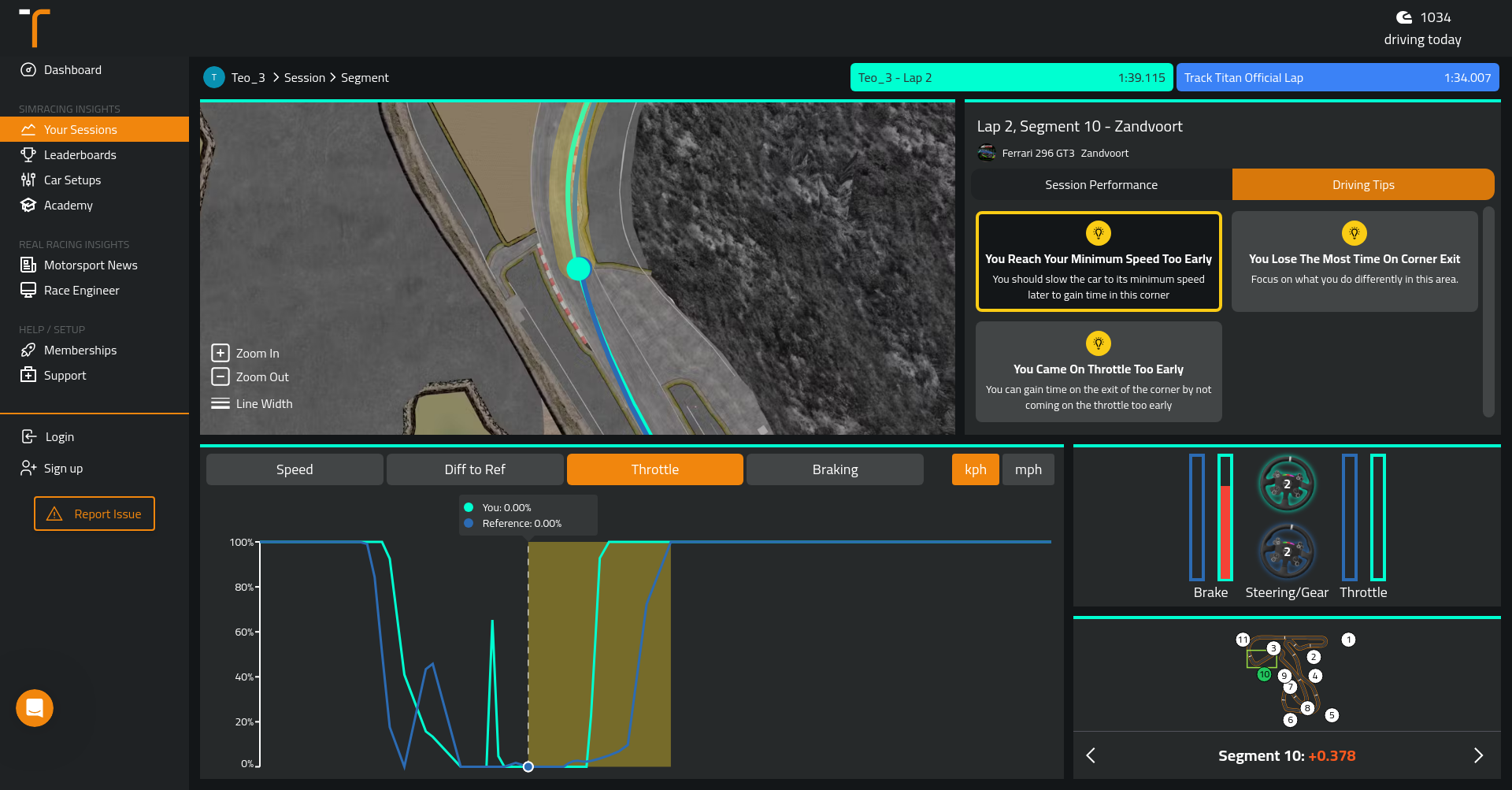
The speed chart analysis reveals that driverB enters the corner with less speed than driverA, which is a disadvantage from the start. DriverB's minimum speed is also lower and occurs later in the corner, indicating a delayed throttle application and resulting in a slower exit speed. To improve, driverB should carry more speed from the previous corner and apply the throttle earlier to boost acceleration on exit. The throttle control chart shows that driverA has a gradual throttle application, suggesting a conservative corner exit strategy, while driverB applies the throttle more rapidly and assertively. This aggressive approach by driverB leads to better acceleration out of the turn. DriverA could benefit from an earlier and more decisive throttle application to enhance acceleration and potentially reduce lap times. Adopting a lower gear as demonstrated by driverB's sharper increase in throttle might also help achieve this improved performance.
Analyzing the speed chart, it's evident that driverB enters the corner with a lower speed compared to driverA. This indicates that driverB did not carry as much speed out of the previous corner, which sets them at a disadvantage right from the beginning of this section. Specifically, at the very start of the chart on the left, we see that driverB's speed is already lower than that of driverA, which is a critical loss of momentum that impacts their entire cornering sequence. As we progress through the corner, it becomes apparent that driverB's minimum speed is lower than that of driverA and occurs later in the corner. This delay in reaching minimum speed suggests a later throttle application by driverB, which correlates with a loss of time during corner exit. The subsequent acceleration phase for driverB is also compromised; not only is their exit speed lower, but the gradient of their speed increase is less steep compared to driverA. To improve performance in this section, driverB should focus on carrying more speed from the previous corner into this one and work on earlier throttle application to enhance acceleration out of the turn.

Analyzing the throttle control chart, it's evident that driverA and driverB exhibit distinct differences in their throttle application. DriverA demonstrates a gradual and less aggressive approach to throttle application, which indicates a conservative exit from the corner. In contrast, driverB applies the throttle more rapidly and maintains a higher percentage of throttle application throughout, suggesting a more assertive exit strategy. This aggressive approach by driverB likely contributes to better acceleration out of the turn, which aligns with the advice to come on the throttle earlier to gain time on corner exit. Furthermore, driverA's delayed and cautious throttle input could be contributing to time loss on corner exit. To improve performance, driverA should consider applying the throttle earlier and with more conviction. This change would mirror driverB's technique, potentially leading to improved acceleration and reduced lap times. The data suggests that adopting a lower gear as indicated by the sharper increase in throttle from driverB might also aid in achieving this outcome.