122,247
122K
Laps driven today

iRacing

Le Mans Ultimate

Assetto Corsa Competizione

Assetto Corsa

F1 25

Assetto Corsa EVO

Automobilista 2

Forza Motorsport

F1 24

F1 2021

F1 23

F1 2020


Lap 2
Segment 5
1:38.165
6th Feb 2024
Assetto Corsa Competizione
Oulton Park - Ferrari 296 GT3

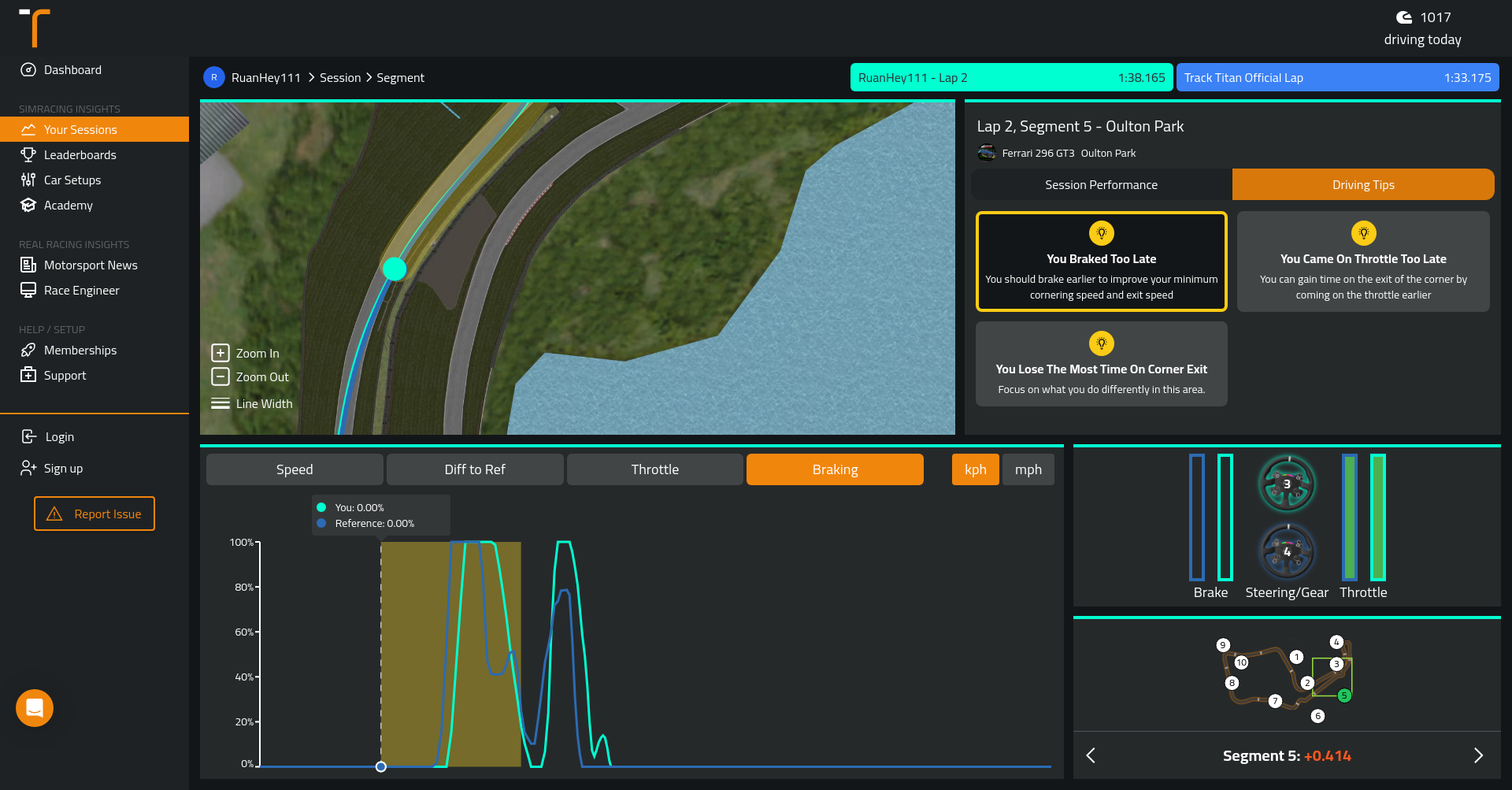
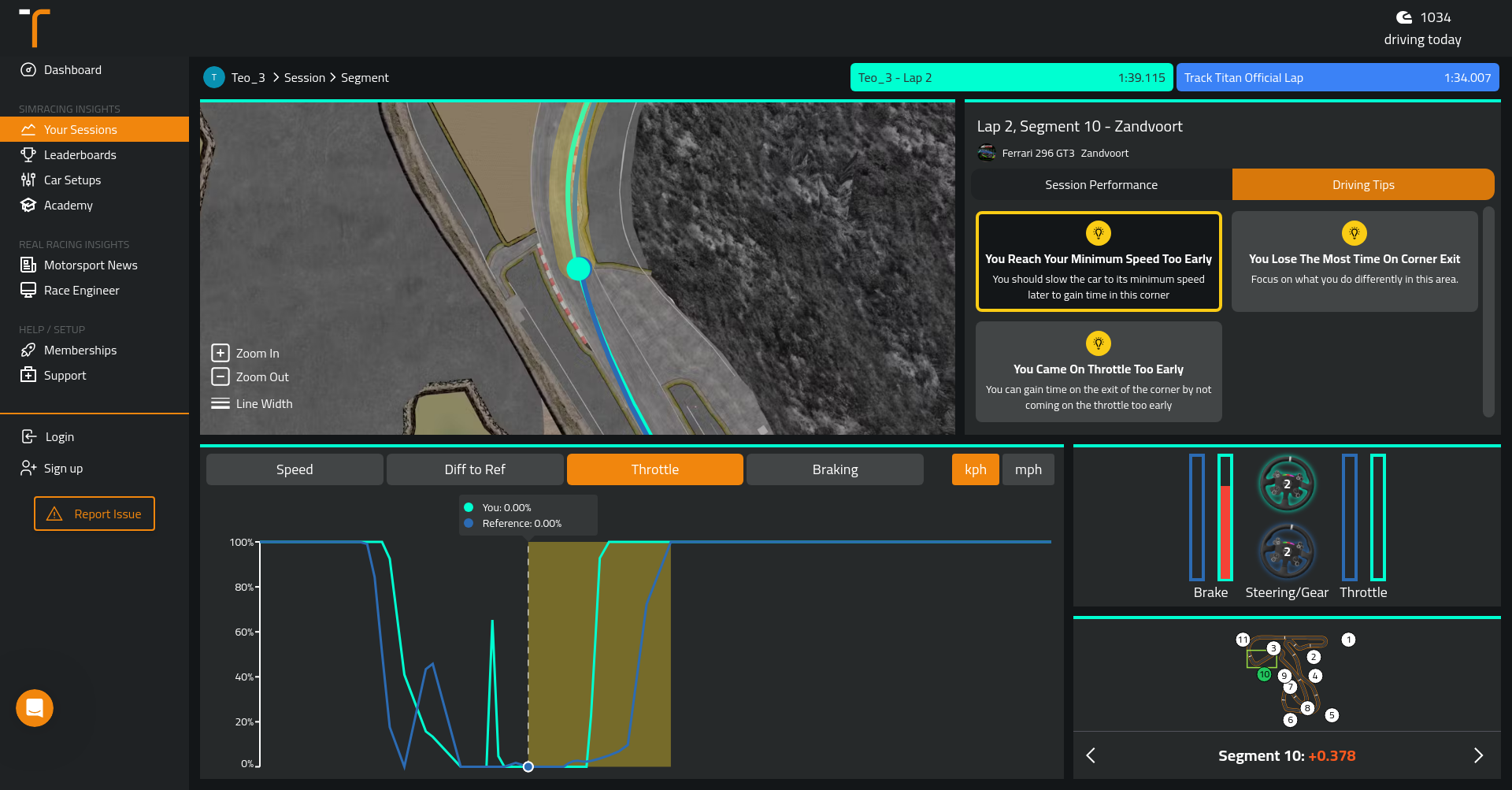
The analysis of throttle control and braking inputs between driverA and driverB reveals key differences in their driving techniques. DriverA is cautious with the throttle, applying power gradually and later in the corner exit phase, which hinders lap times. To improve, driverA should apply the throttle earlier and more aggressively, similar to driverB who gets on the power sooner, leading to higher exit speeds and better lap times. In terms of braking, driverA is aggressive initially but holds onto the brakes longer with a trail braking approach that may slow down corner exit speed. On the other hand, driverB starts braking earlier with less intensity and releases brake pressure more quickly, allowing for a smoother transition into corners and maintaining better minimum speed through them. To optimize performance, driverA should adopt driverB's technique of earlier and smoother brake application to carry more speed through corners and set up for a stronger exit. This change in approach will likely result in improved lap times for driverA by enabling a quicker transition from braking to acceleration out of corners.
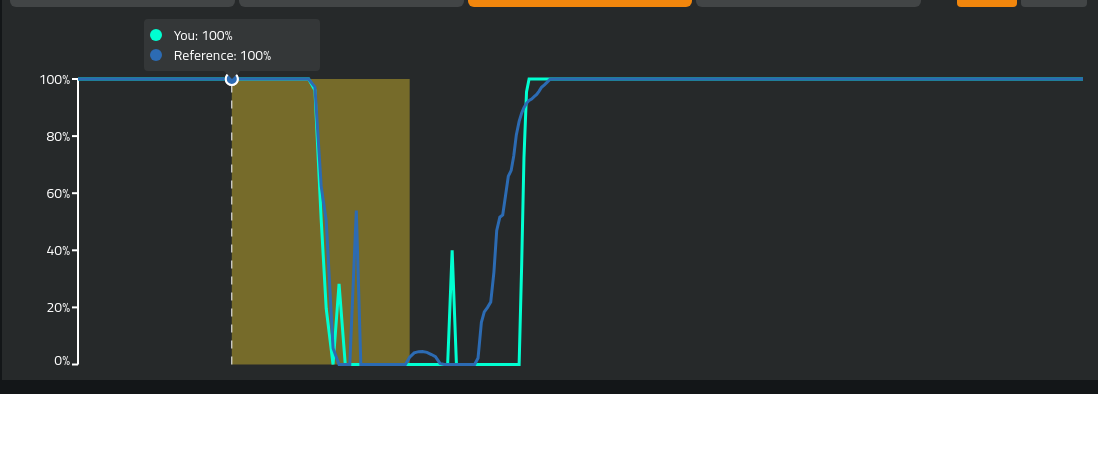
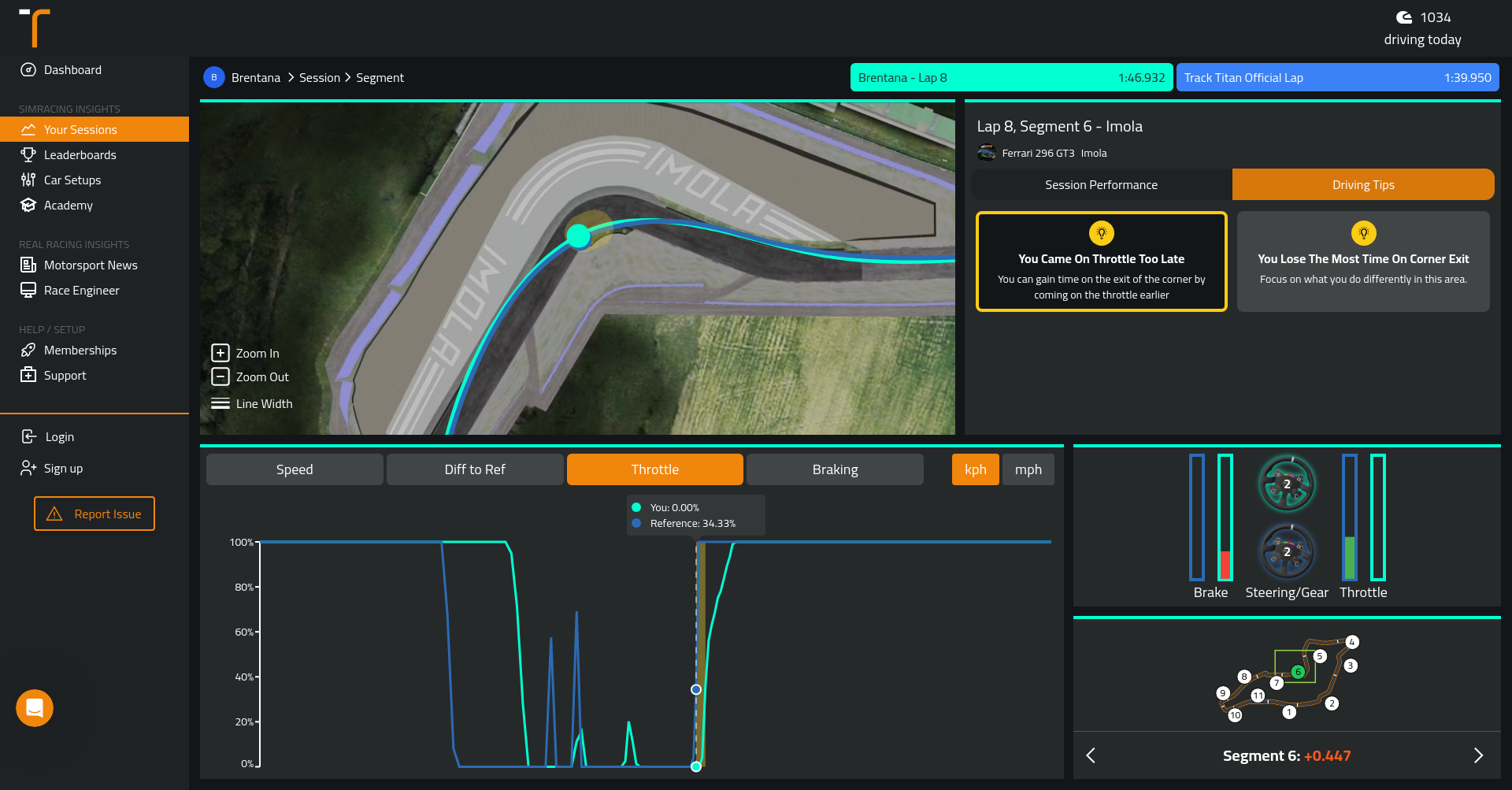
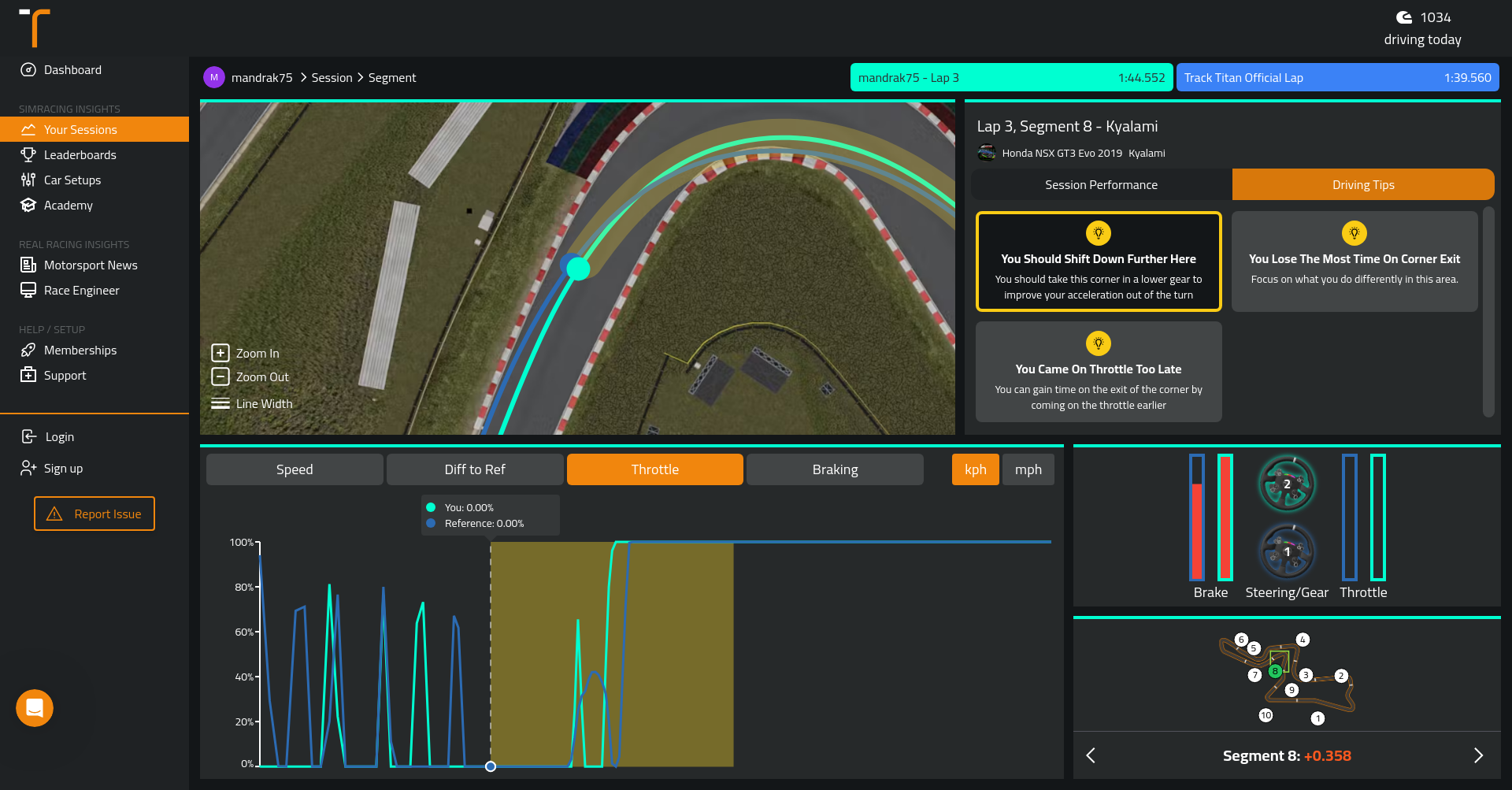
Analyzing the throttle control chart, it's evident that driverA and driverB have distinct differences in their throttle application. DriverA exhibits a delayed and gradual increase in throttle, which indicates a later and more cautious power application exiting the corner. This hesitation is a clear opportunity for driverA to improve lap times by adopting a more aggressive throttle input earlier in the corner exit phase. Conversely, driverB demonstrates an earlier and sharper increase in throttle application. This suggests that driverB is getting on the power sooner, which is likely contributing to a higher exit speed and overall better lap time. For driverA to optimize performance, mimicking the assertive throttle application of driverB will be crucial, particularly focusing on the timing of when to start accelerating out of the corner.

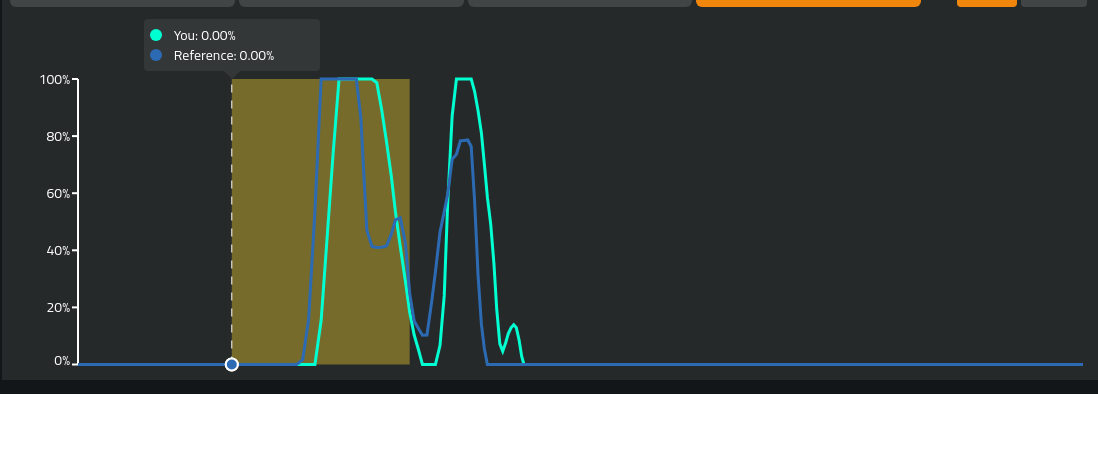
In the provided braking analysis chart, there is a clear distinction between the braking inputs of driverA and driverB. DriverA exhibits a sharper increase in brake application, indicating a more aggressive approach to the initial braking phase. This is followed by a slower reduction in brake pressure, which suggests that driverA is engaging in trail braking to maintain speed while entering the corner. However, driverB applies the brakes with less intensity initially and releases the brake pressure more quickly than driverA. The timing of these actions is crucial; driverB begins braking earlier than driverA, which allows for a smoother transition from braking to cornering. This earlier braking likely contributes to better minimum cornering speed and sets up for a stronger exit. In contrast, driverA's later and more aggressive braking could be causing a delay in throttle application on corner exit, as indicated by the prolonged trail braking phase. To improve performance, driverA should focus on emulating driverB's earlier and smoother brake application to enhance their corner exit speed.