117,904
117K
Laps driven today

iRacing

Le Mans Ultimate

Assetto Corsa Competizione

Assetto Corsa

F1 25

Assetto Corsa EVO

Automobilista 2

Forza Motorsport

F1 24

F1 2021

F1 23

F1 2020


Lap 3
Segment 10
1:29.537
6th Feb 2024
Assetto Corsa Competizione
Brands Hatch - Maserati MC20 GT2

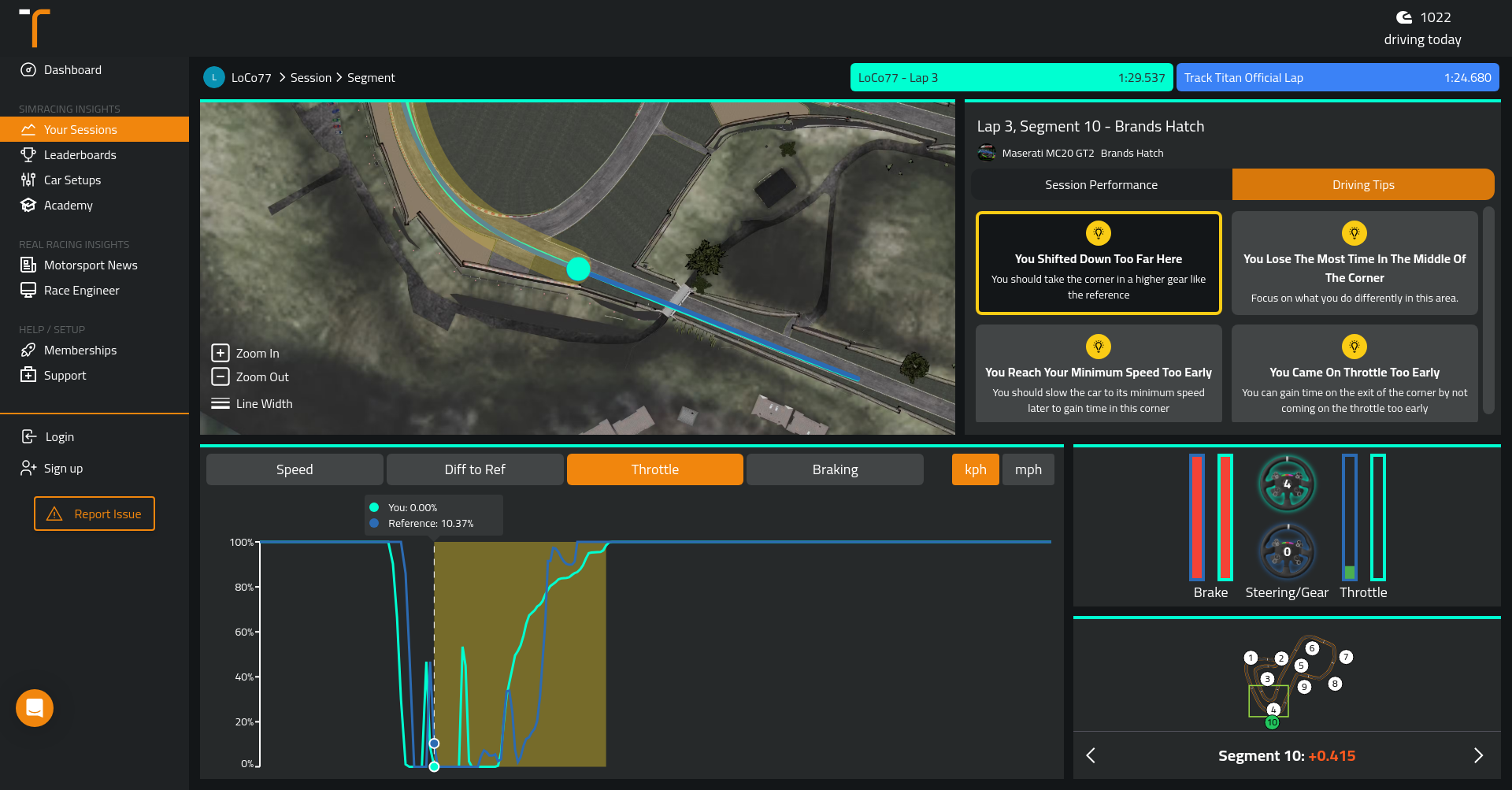
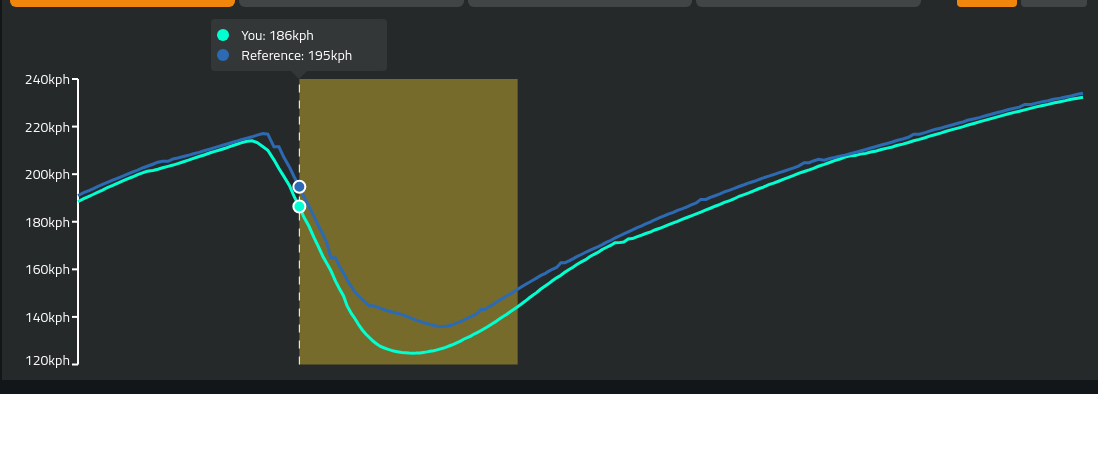
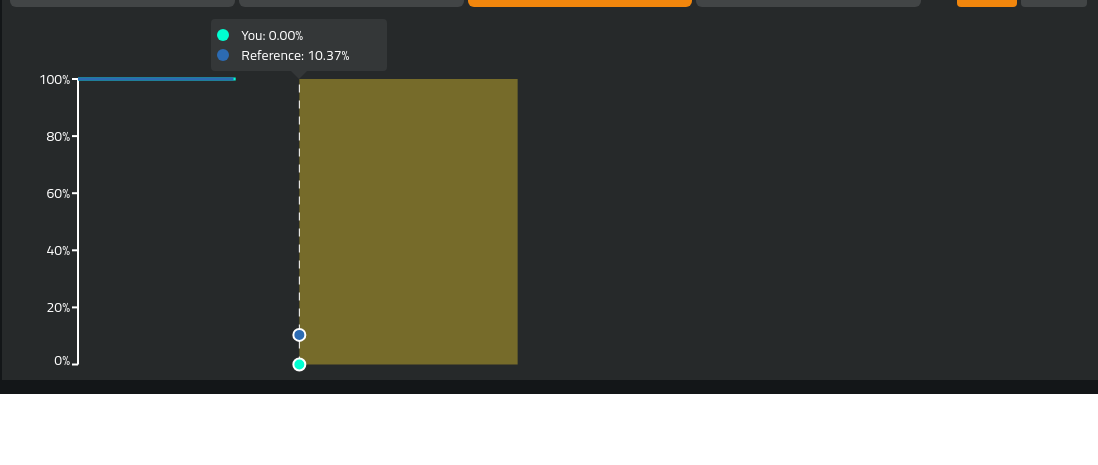
The speed chart analysis reveals that driverB enters the corner at a lower speed than driverA, suggesting less momentum from the previous corner. DriverB decelerates too early, reaching their minimum speed before the apex and resulting in a longer time spent below optimal speed. This early deceleration leads to an earlier throttle application but doesn't translate to a higher exit speed or better acceleration compared to driverA. To improve lap times, driverB should carry more speed into the corner and delay deceleration to align closer with driverA's minimum speed point. In terms of throttle control, driverA applies throttle earlier but with excessive aggression, potentially causing understeer or grip issues and affecting a smooth corner exit. DriverB's smoother throttle application allows for better traction and control, aiding in a more efficient exit. DriverA should aim for a smoother throttle input to enhance performance in this track section.
Analyzing the speed chart, it's evident that driverB is entering the corner with a lower speed compared to driverA. This is indicated by the initial speed difference at the very start of the chart on the left, suggesting that driverB exited the previous corner with less momentum. This initial deficit puts driverB at a disadvantage even before addressing cornering technique. As we progress through the corner, we observe that driverB reaches their minimum speed earlier than driverA. This premature deceleration results in a lower minimum speed for driverB and occurs before reaching the apex, leading to a longer duration spent below optimal speed. Additionally, this early minimum speed causes driverB to get on the throttle sooner but without gaining an advantage, as evidenced by a lower exit speed and a less steep acceleration gradient compared to driverA. To optimize performance, focusing on carrying more speed into the corner and delaying deceleration to match closer to driverA's minimum speed point would be beneficial for improving lap times.

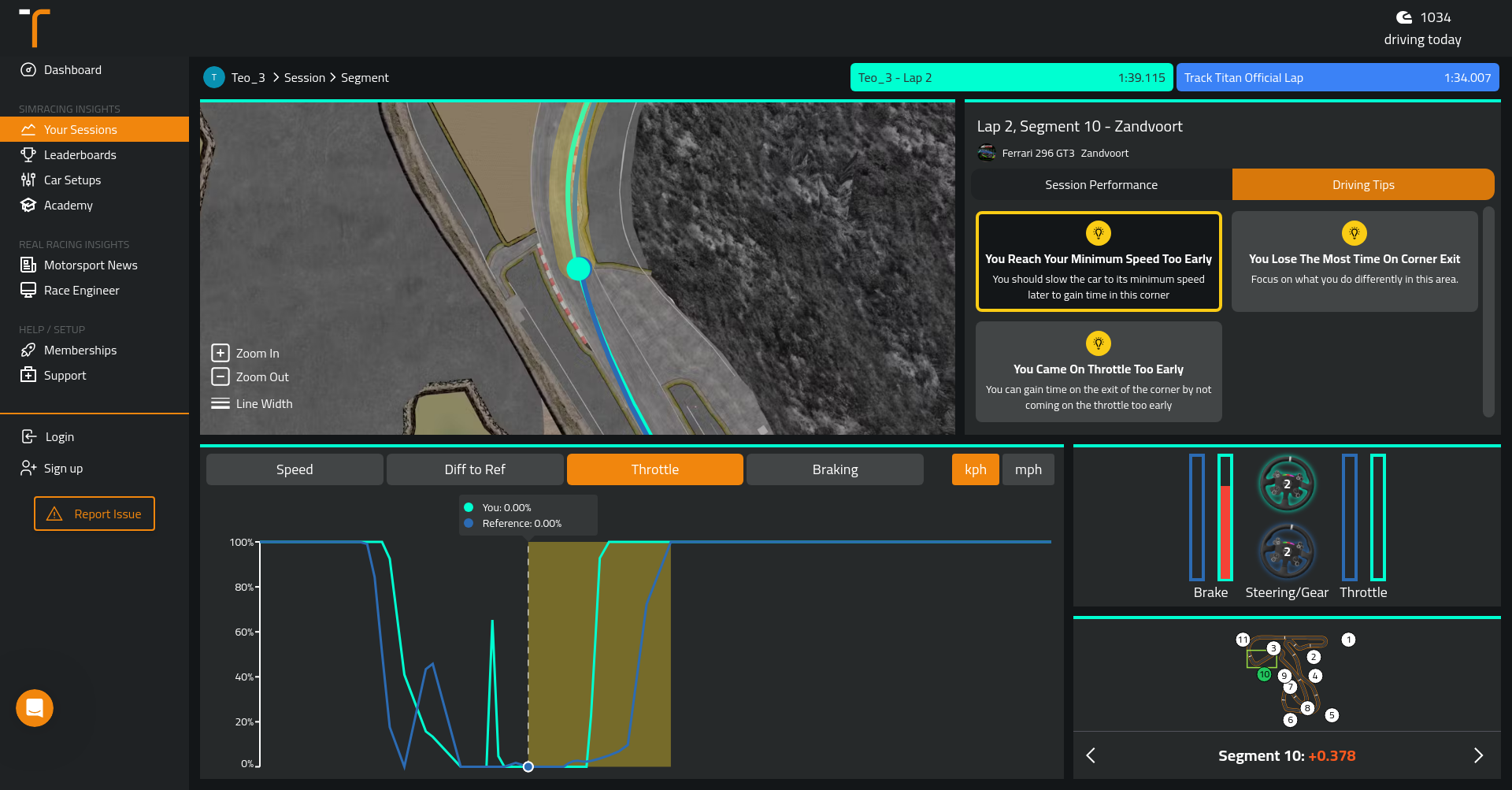
Analyzing the throttle control chart, it's evident that driverA and driverB have distinctly different approaches to throttle application. DriverA initiates throttle input much earlier than driverB, which correlates with the note that driverA is coming on throttle too soon. This premature application can lead to a loss of time as it may cause the car to understeer or struggle for grip, preventing a smooth and fast exit from the corner. Furthermore, driverA's throttle input is more aggressive compared to driverB's smoother application. This suggests that driverA may be experiencing wheelspin or instability upon corner exit, which further hampers acceleration and overall speed through the corner. In contrast, driverB's gradual increase in throttle allows for better traction and control, contributing to a more efficient corner exit and potentially faster lap times. DriverA should aim to mimic this smoother application to optimize performance in this section of the track.