114,324
114K
Laps driven today

iRacing

Le Mans Ultimate

Assetto Corsa Competizione

Assetto Corsa

F1 25

Assetto Corsa EVO

Automobilista 2

Forza Motorsport

F1 24

F1 2021

F1 23

F1 2020


Lap 2
Segment 9
1:32.282
7th Feb 2024
Assetto Corsa Competizione
Red Bull Ring - McLaren 720S GT3 Evo 2023

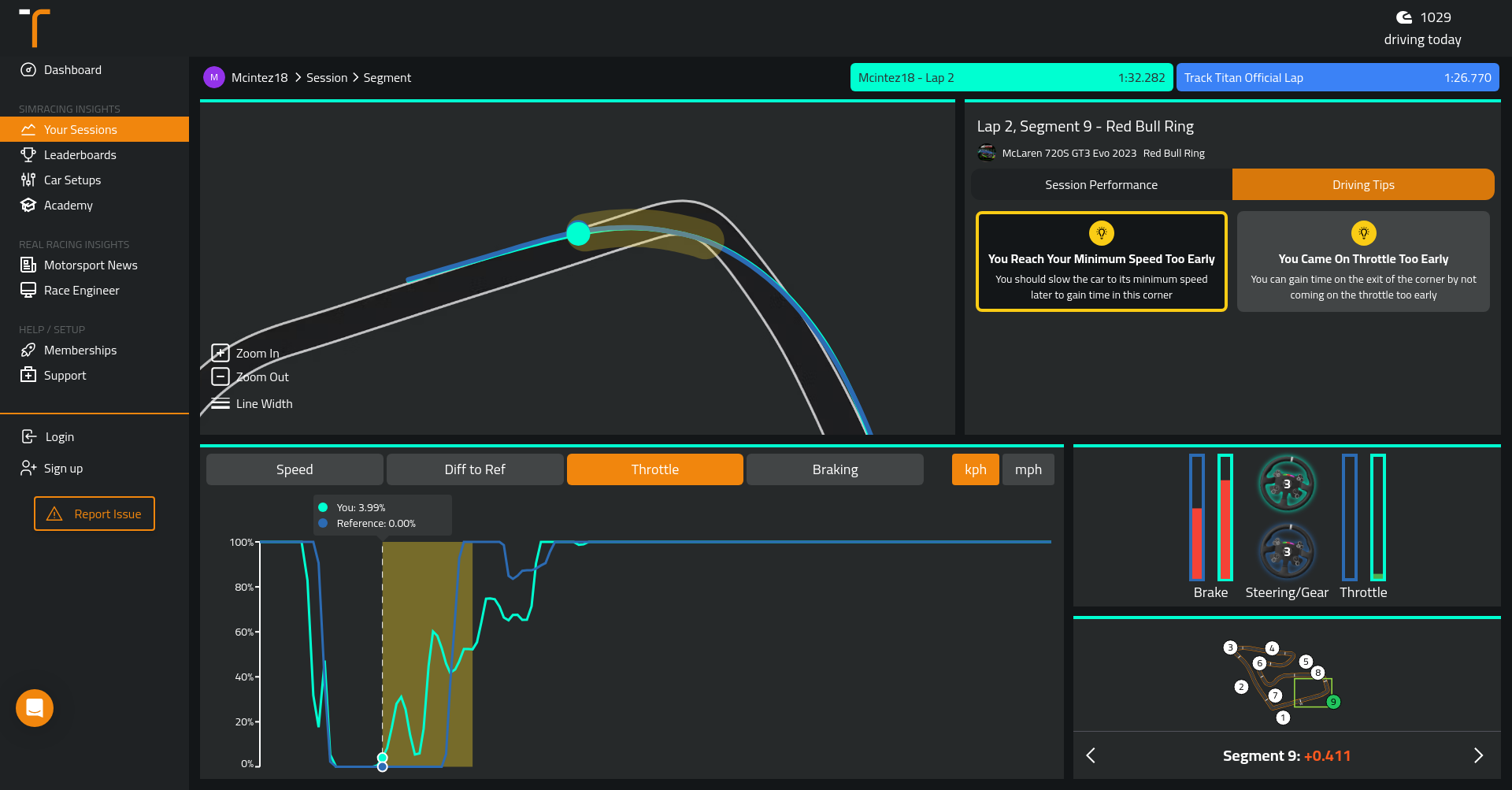
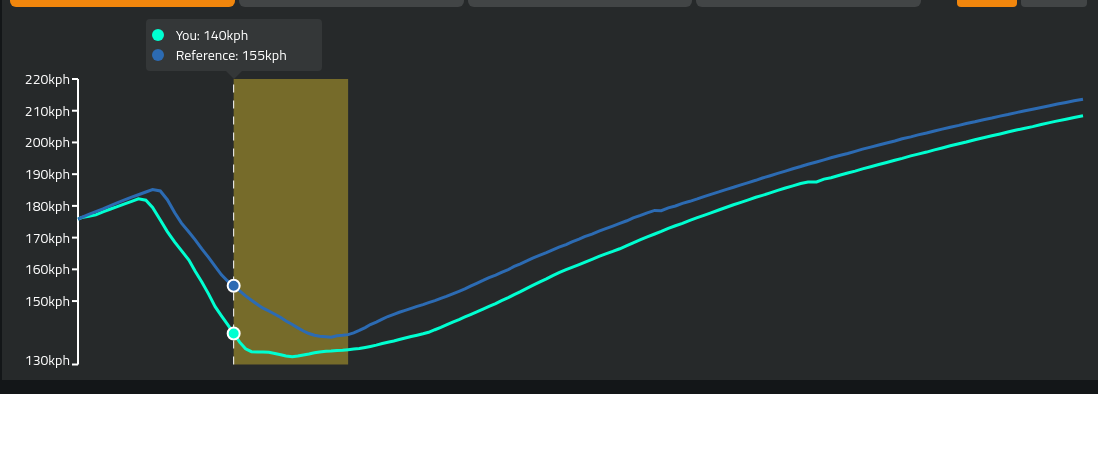
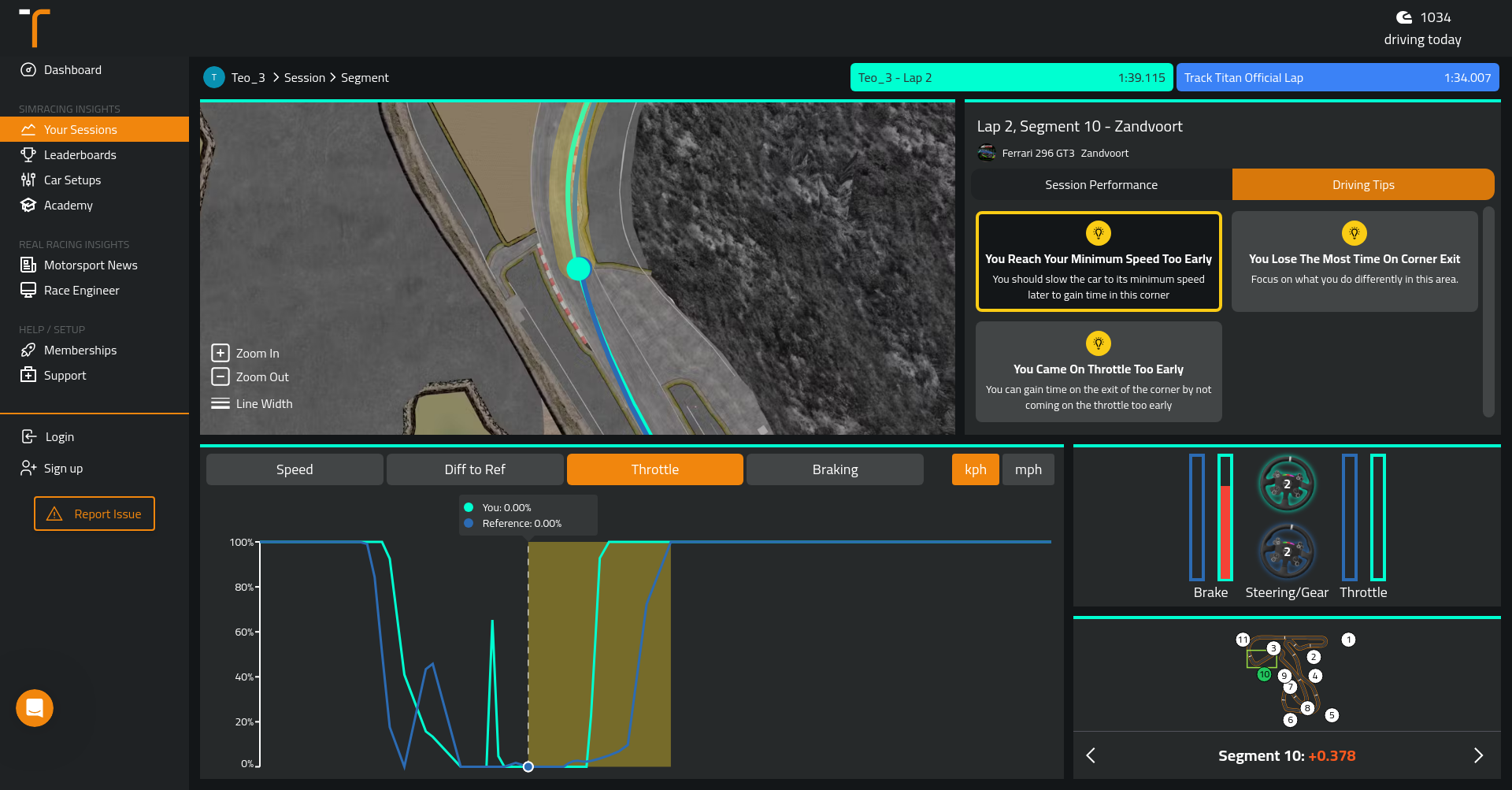
The speed chart analysis reveals that driverB is slower than driverA, starting with a lower exit speed from the previous corner and carrying less momentum into the current corner. DriverB appears to brake too early or too harshly, reaching a lower minimum speed sooner than driverA, which hampers their acceleration out of the corner. To enhance performance, driverB should work on maintaining higher speeds through the previous corner and delaying braking to keep up higher minimum speeds in the current corner. In terms of throttle control, driverA applies throttle earlier but may be doing so before the car is stable post-braking, potentially causing wheelspin and a compromised exit speed. DriverA also reaches full throttle quicker than driverB, which could affect car balance and grip during a crucial phase for maximizing traction and improving lap times. DriverB's gradual throttle application suggests better traction management and a more controlled exit from the corner. By adopting a smoother power delivery and delaying full throttle like driverB, driverA could improve vehicle control during corner exits, leading to faster lap times.
Analyzing the speed chart, it's evident that driverB is losing time in the corner compared to driverA. At the very start of the chart, driverB's speed is already lower than that of driverA, indicating a slower exit from the previous corner. This initial speed deficit carries through into the corner in question, as driverB does not carry as much momentum into the braking zone and turn-in point. Furthermore, driverB reaches their minimum speed earlier than driverA. This premature deceleration suggests that driverB is potentially braking too early or too aggressively, leading to a lower minimum corner speed. Consequently, this results in a delay in throttle application and acceleration out of the corner. The gradient of driverB's speed increase post-apex is less steep compared to driverA's, confirming a later and slower exit onto the following straight. To improve lap times, driverB should focus on carrying more speed through the previous corner for a stronger entry and delaying their deceleration to maintain higher minimum speeds through this corner.

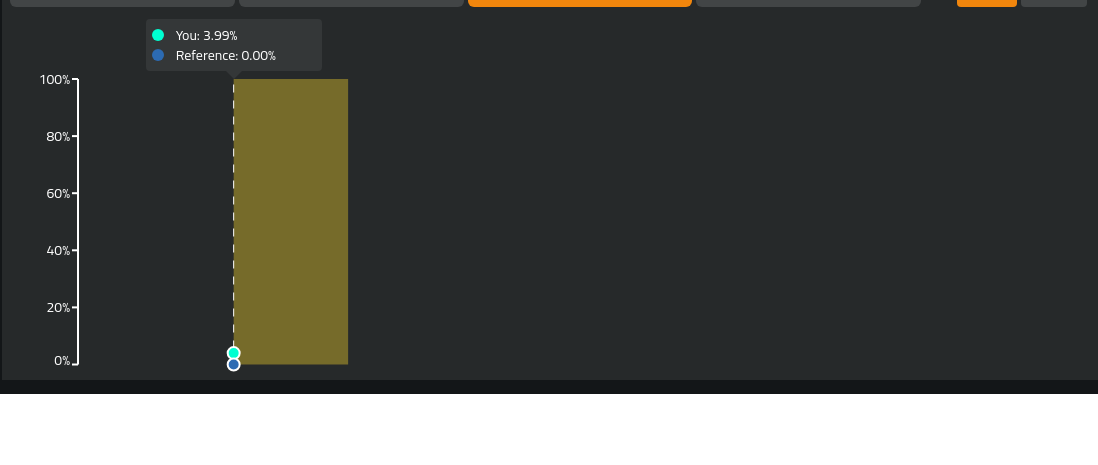
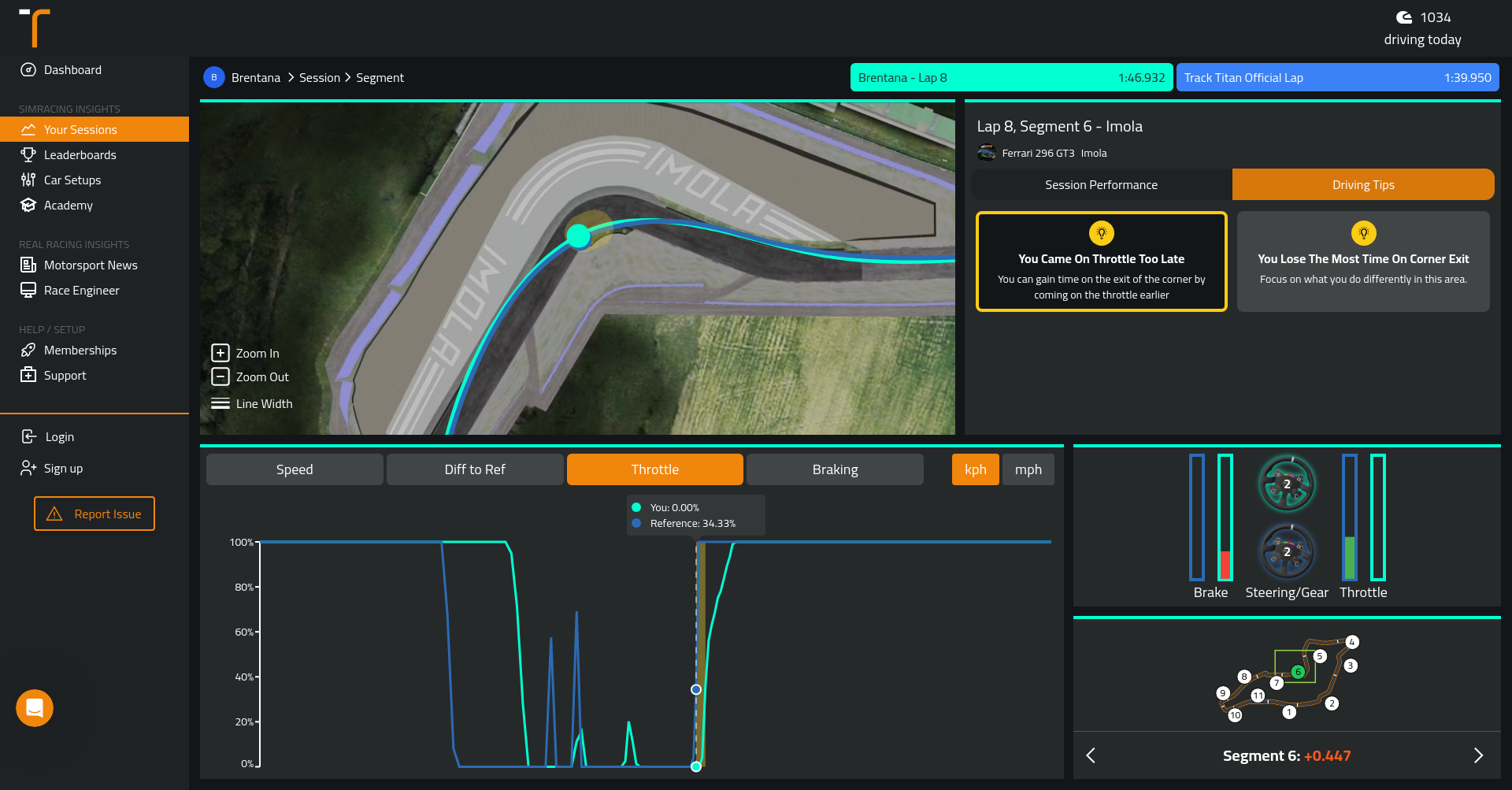
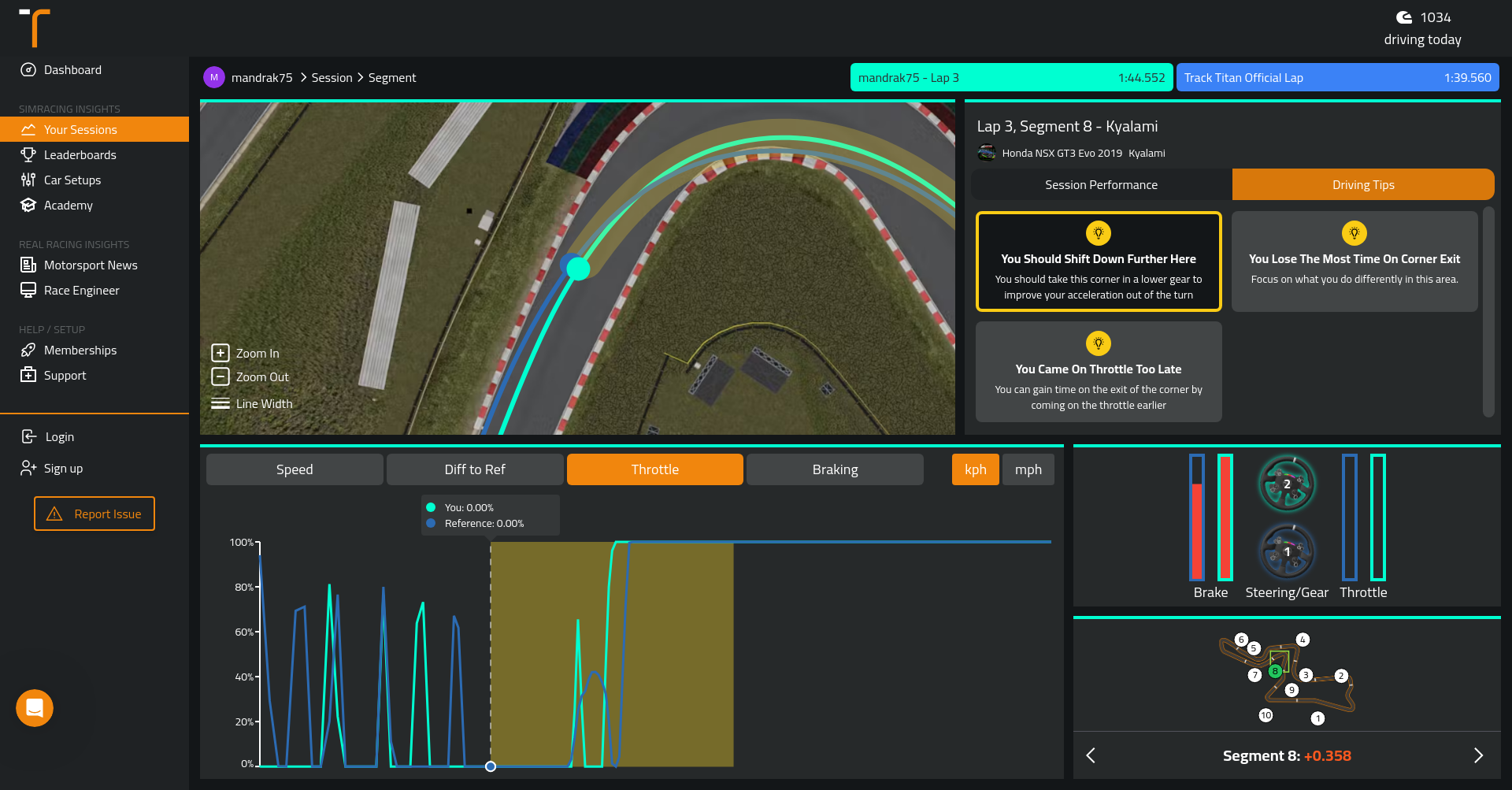
In the provided throttle control analysis, driverA initiates throttle application significantly earlier than driverB, as indicated by the steeper initial incline in their graph. This premature application of throttle suggests that driverA is attempting to accelerate before fully settling the car post-braking, which can lead to suboptimal exit speed and potential wheelspin. DriverB's graph shows a more gradual application of throttle, indicating a controlled exit from the corner and better traction management. Furthermore, driverA reaches full throttle much sooner than driverB. This early commitment to full throttle can compromise the car's balance and grip at a critical phase of corner exit where maximizing traction is key for lap time improvement. By delaying full throttle application and focusing on smoother power delivery, as demonstrated by driverB's graph, driverA could maintain better control over the vehicle dynamics, leading to improved acceleration out of the corner and potentially faster lap times.