114,324
114K
Laps driven today

iRacing

Le Mans Ultimate

Assetto Corsa Competizione

Assetto Corsa

F1 25

Assetto Corsa EVO

Automobilista 2

Forza Motorsport

F1 24

F1 2021

F1 23

F1 2020


Lap 4
Segment 4
2:03.707
7th Feb 2024
Assetto Corsa Competizione
Silverstone - McLaren 720S GT3 Evo 2023

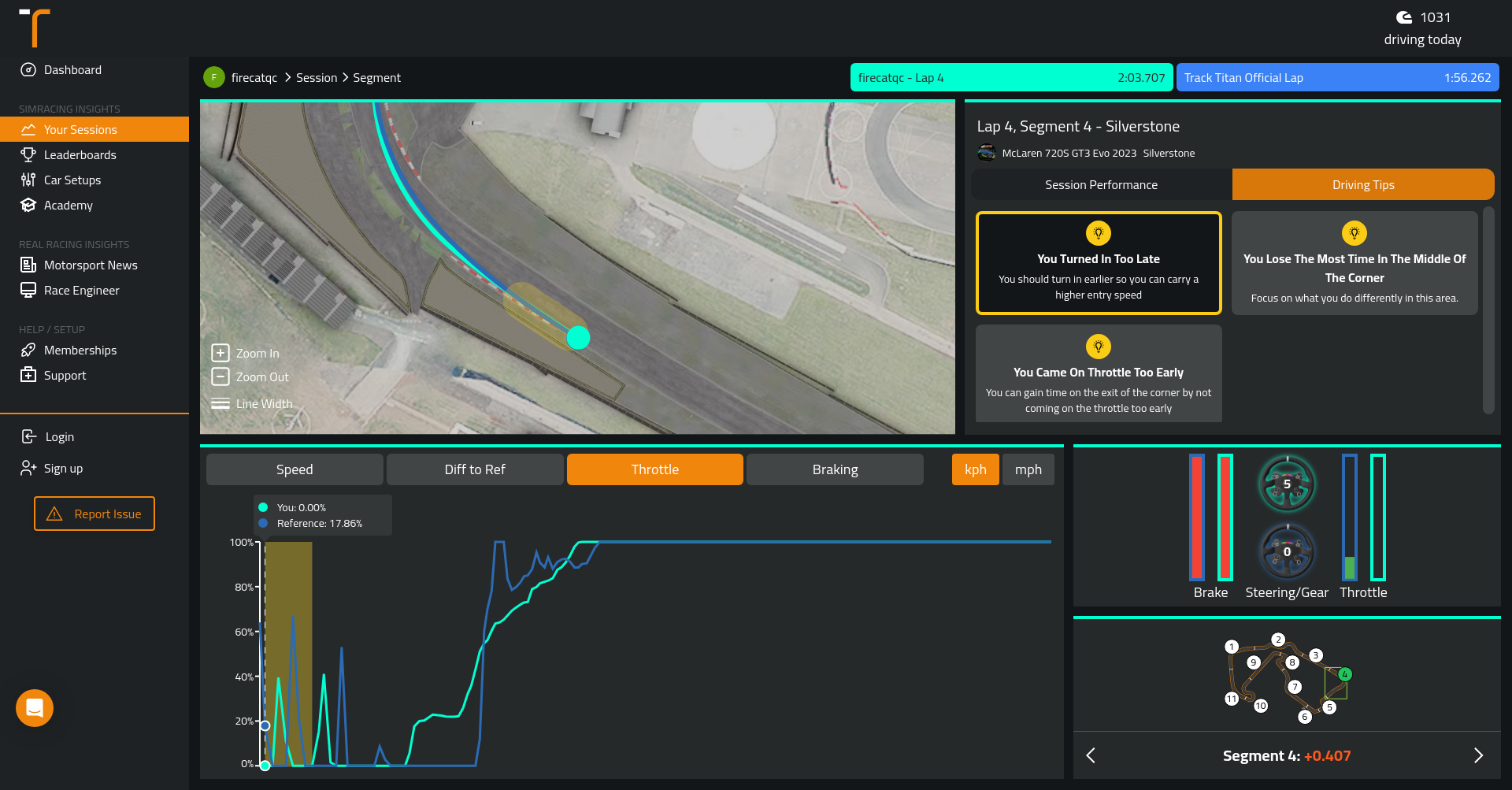
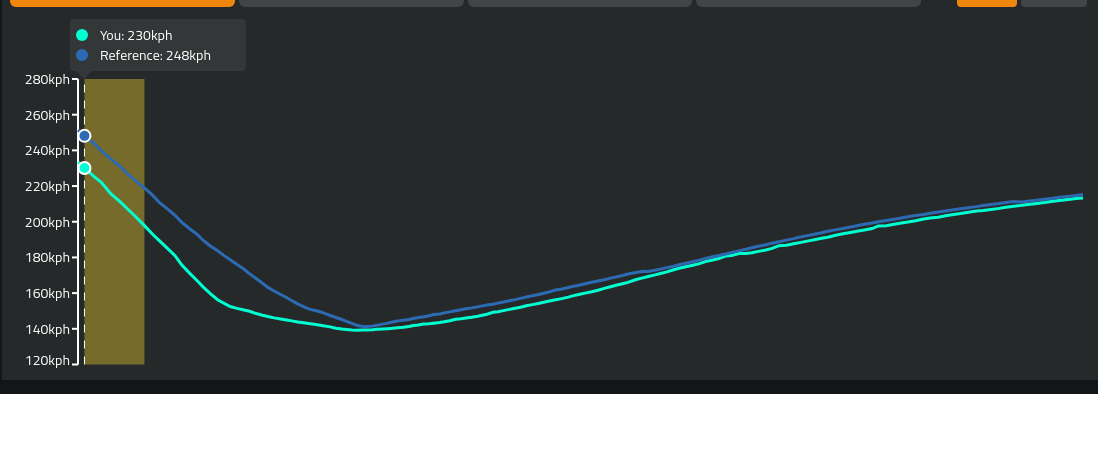
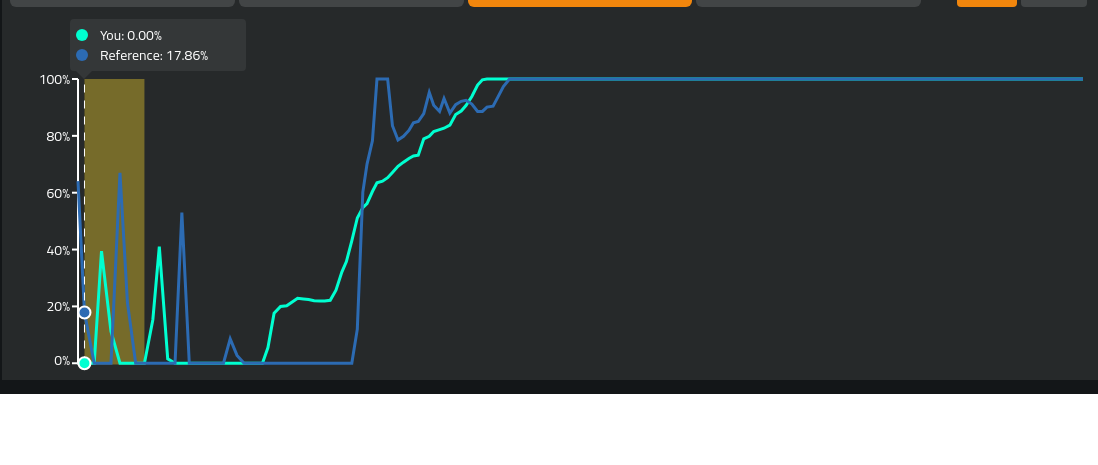
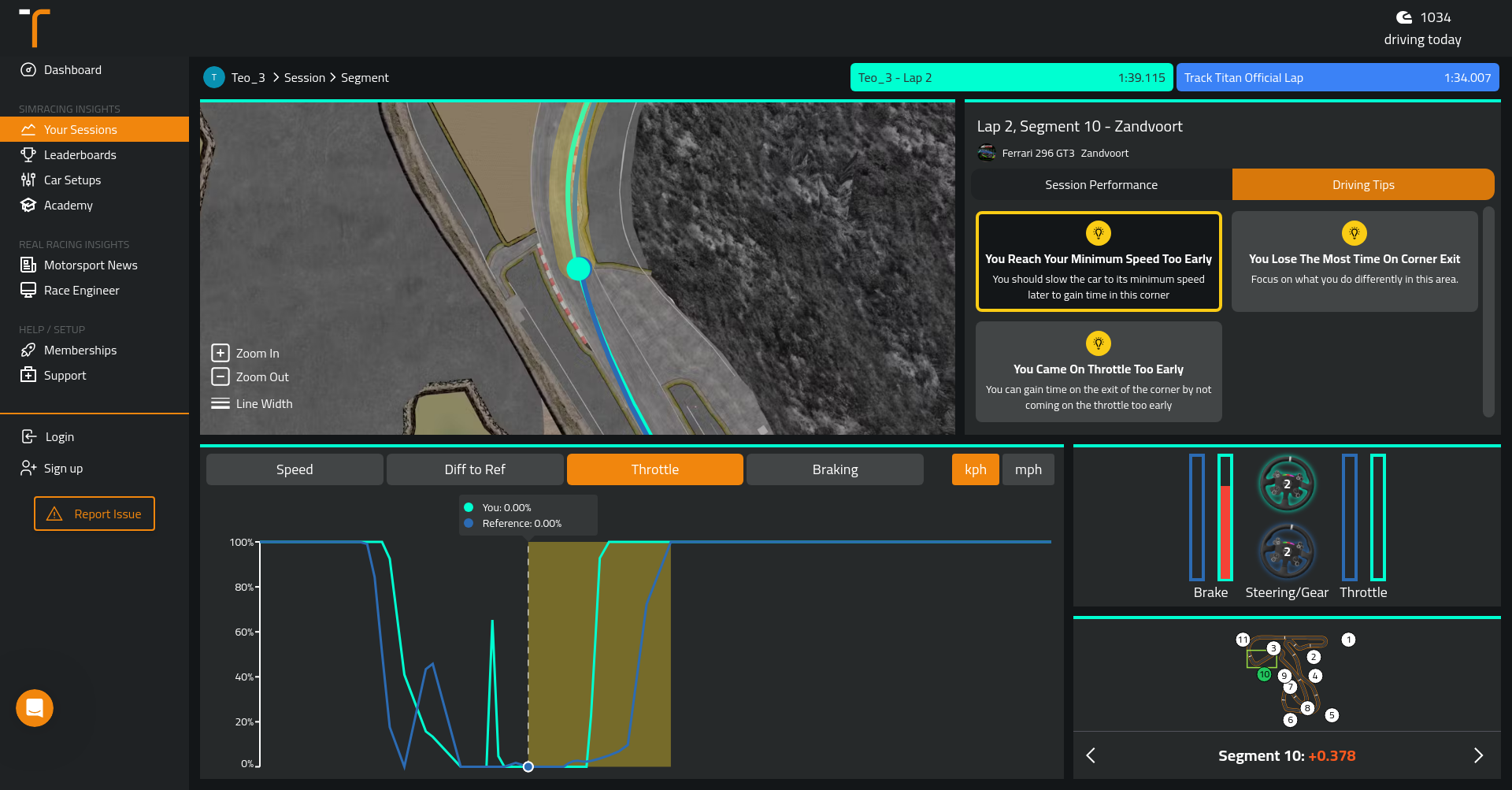
The speed chart analysis reveals that driverB is entering the corner with a lower speed than driverA, indicating a suboptimal exit from the previous corner and a slower approach. DriverB also reaches their minimum speed later and at a lower value than driverA, suggesting delayed throttle application and less efficient acceleration out of the corner. This results in lost time during this critical phase. DriverA applies the throttle more abruptly compared to driverB's smoother throttle control. DriverA's sharp increase in throttle application can cause loss of traction and an imperfect exit speed from the corner. On the other hand, driverB's gradual increase in throttle application indicates better car balance and traction control. To improve lap times, it is recommended that driverA delays their throttle application slightly and focuses on smoother inputs to maximize grip and maintain higher mid-corner speed. Emulating driverB's approach to throttle control will help in achieving better cornering performance and faster lap times.
Analyzing the speed chart, it's evident that driverB enters the corner with a lower speed compared to driverA. This suggests that driverB's exit speed from the previous corner was not optimized, leading to a slower approach. Specifically, at the very start of the chart on the left, driverB's speed is already trailing behind driverA's, indicating a loss of momentum that carries through into the corner. In the middle of the corner, there is a notable difference in minimum speeds between both drivers. DriverB reaches their minimum speed later than driverA and at a lower value, which suggests a delay in throttle application and consequently a loss of time due to later acceleration out of the corner. The gradient of driverB's speed increase post-minimum is also less steep compared to driverA's, further indicating less efficient acceleration and contributing to time lost during this critical phase of cornering.

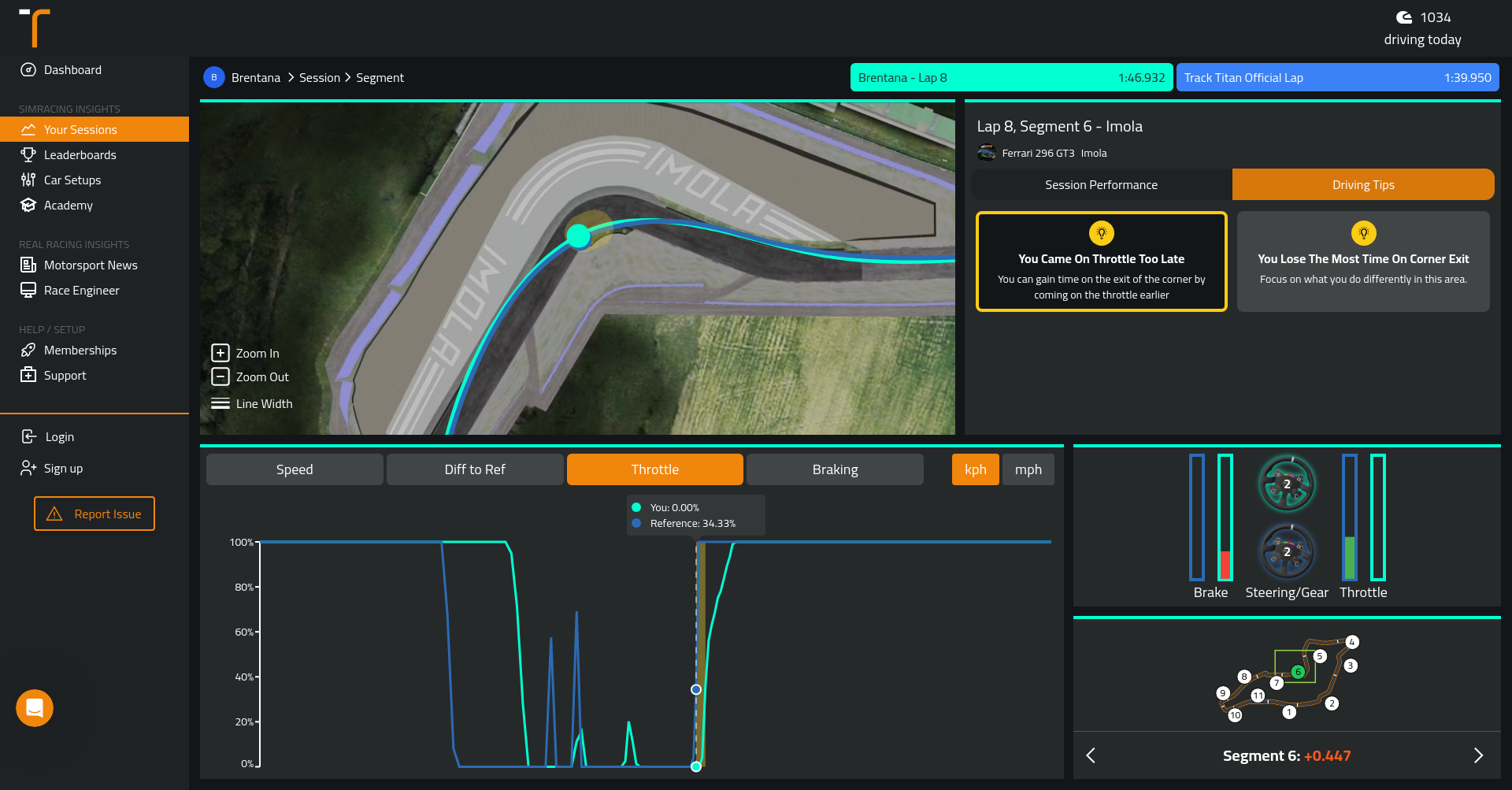
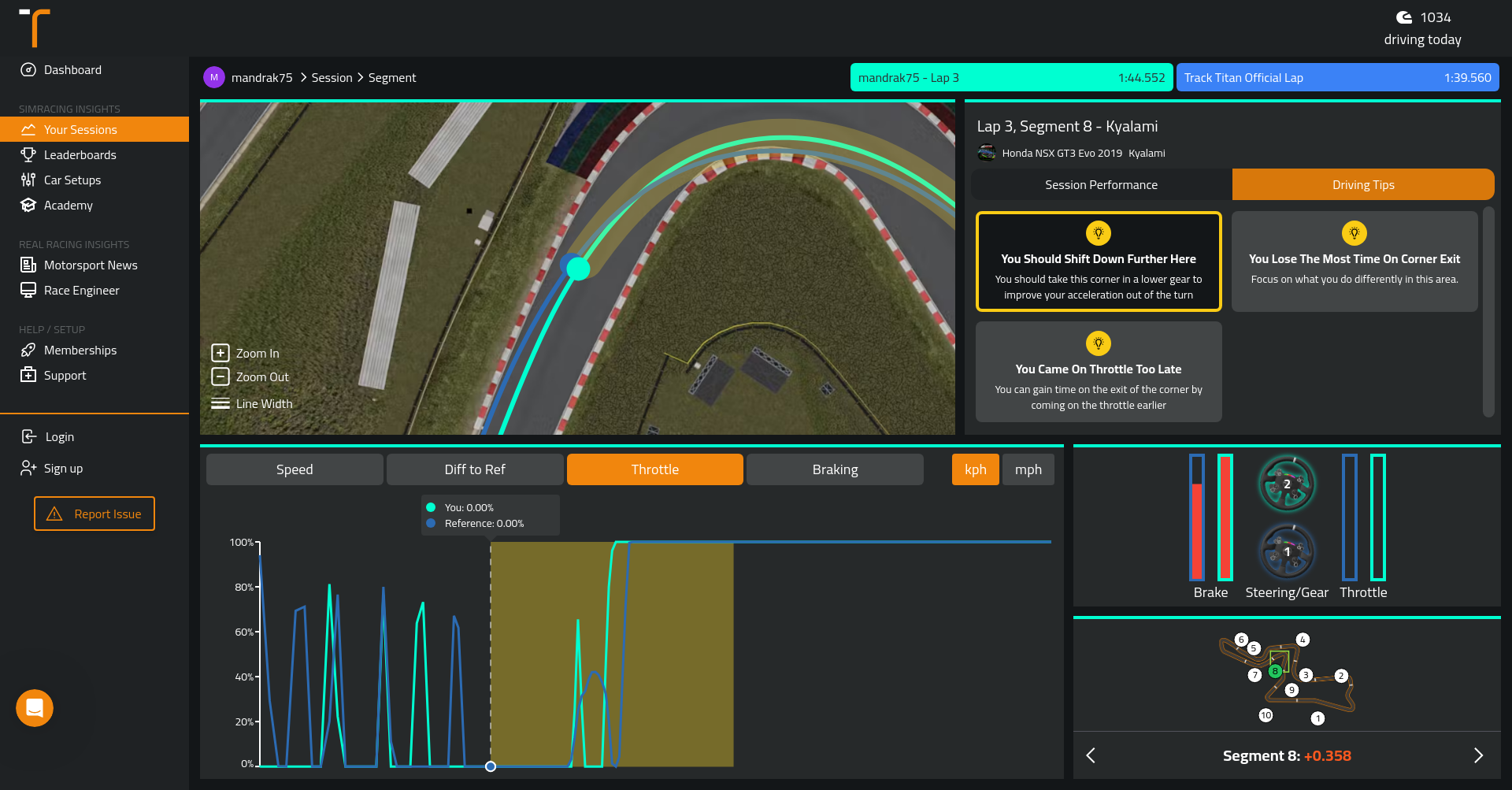
In the provided throttle control analysis, there is a clear discrepancy between driverA and driverB's throttle application. DriverA applies the throttle in a more abrupt and less smooth manner compared to driverB. This is evident from the sharper incline in driverA's graph, indicating a quicker transition from braking to full throttle. This premature application of throttle can lead to loss of traction and suboptimal exit speed from the corner. Additionally, driverB maintains a steadier increase in throttle application, which suggests better control over the car's balance and traction. The smoother curve on driverB's graph shows a more gradual release of brake pressure transitioning into acceleration. DriverA would benefit from emulating this approach by delaying throttle application slightly and focusing on smoother inputs to maximize grip and maintain higher mid-corner speed, ultimately leading to improved lap times.