120,898
120K
Laps driven today

iRacing

Le Mans Ultimate

Assetto Corsa Competizione

Assetto Corsa

F1 25

Assetto Corsa EVO

Automobilista 2

Forza Motorsport

F1 24

F1 2021

F1 23

F1 2020


Lap 3
Segment 12
1:50.755
6th Feb 2024
Assetto Corsa Competizione
Barcelona - Mercedes AMG GT3 Evo 2020

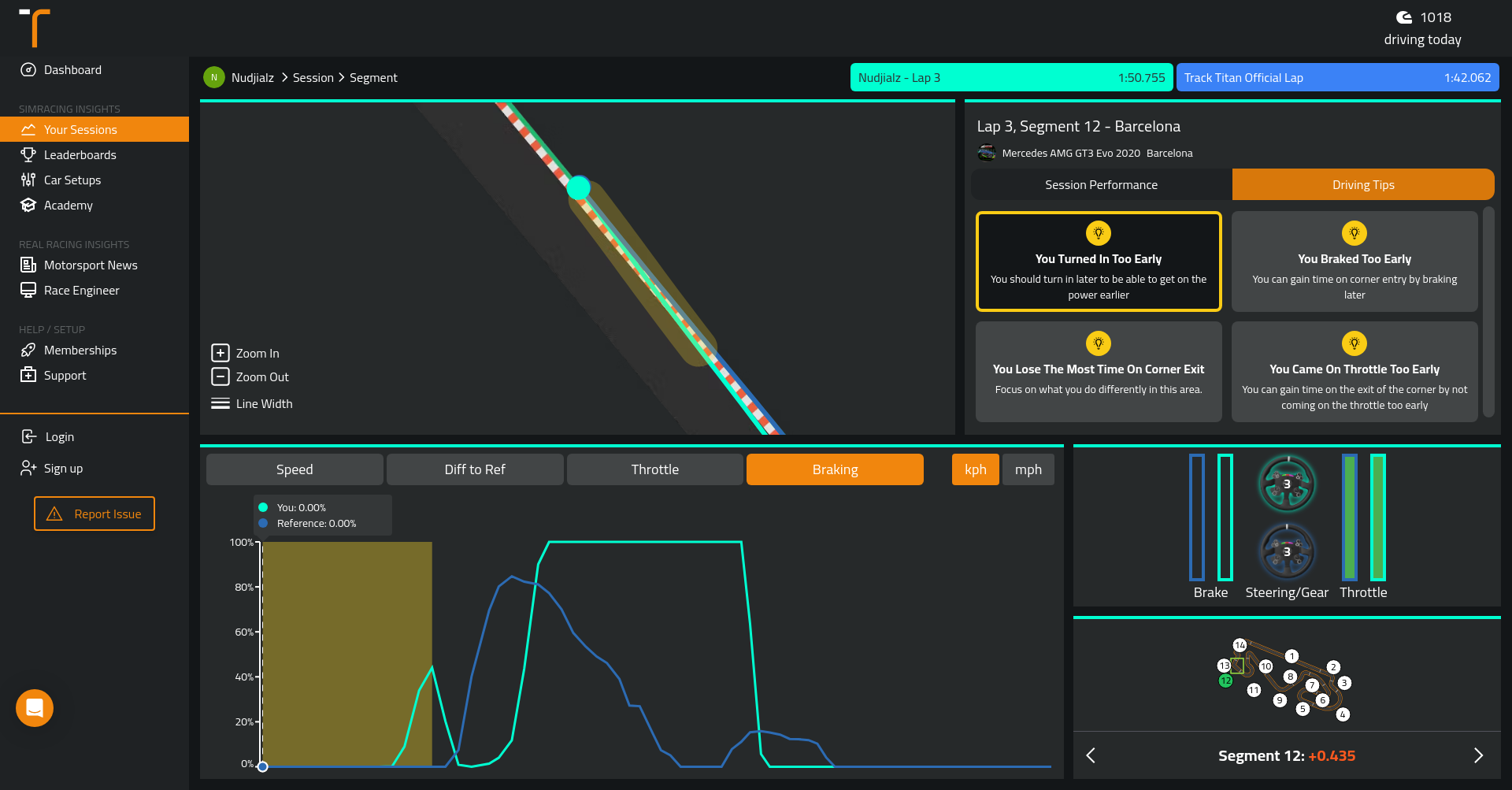
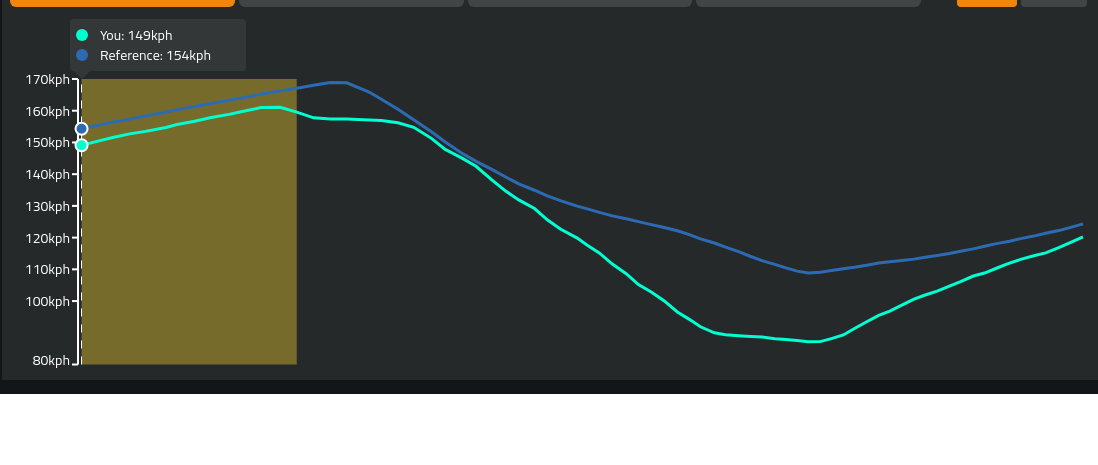
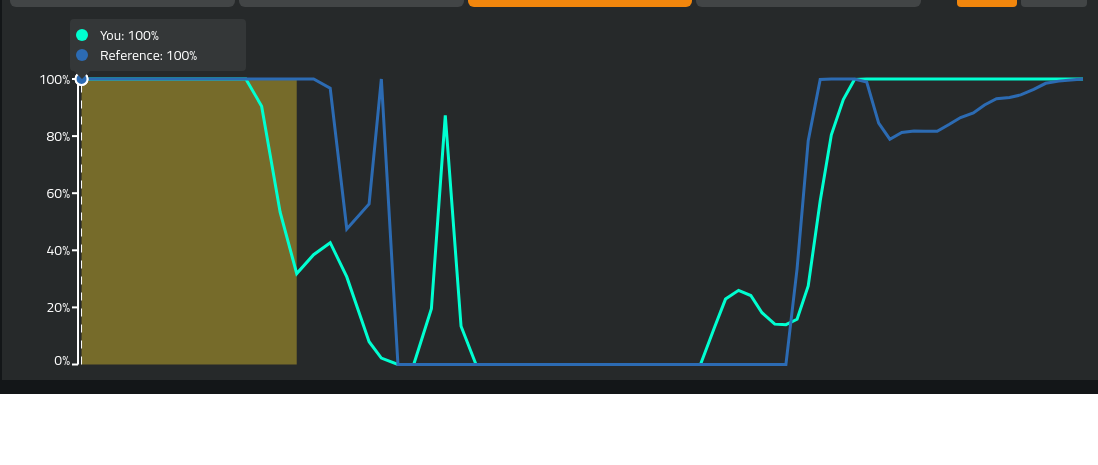
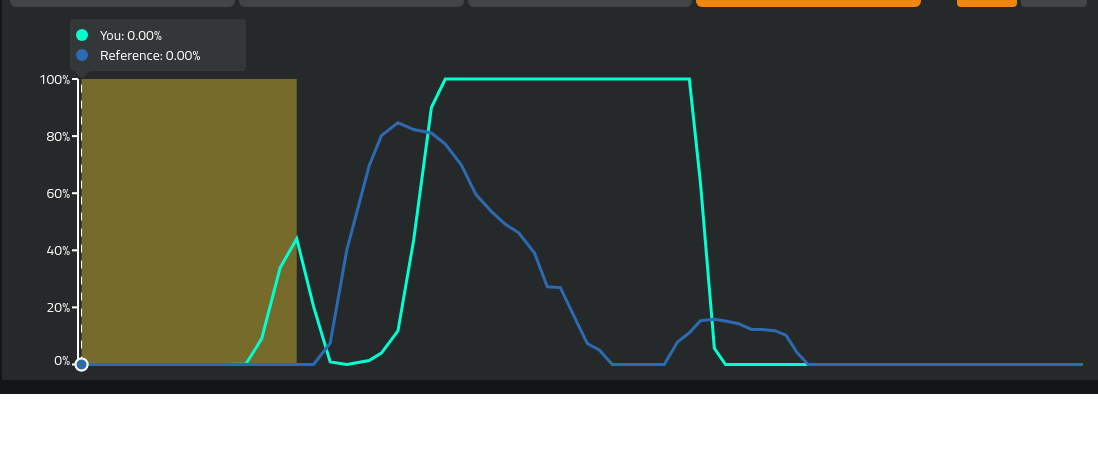
The analysis of the speed chart reveals that driverB is slower entering the corner, likely due to less momentum from the previous turn. DriverB's minimum speed is also lower and occurs later than driverA's, indicating a later throttle application and a less steep acceleration post-apex. To enhance lap times, driverB should focus on maintaining higher speed through the corner and optimizing early throttle application for a stronger exit. In terms of throttle control, driverA applies the throttle earlier but cannot fully commit due to potential traction issues, resulting in a plateau in acceleration. DriverB applies the throttle more gradually and later, leading to smoother acceleration. DriverA should consider delaying their throttle input for better traction and faster exit speeds. The braking analysis shows that driverA brakes earlier and with less pressure than driverB, suggesting a cautious approach that may lower entry speed and affect lap times. In contrast, driverB brakes later with higher peak pressure, indicating aggressive braking that allows for maintaining higher speed longer before the corner. DriverA could improve their performance by adopting a later and firmer braking technique to increase corner entry speed and reduce overall lap times.
Analyzing the speed chart, it's evident that driverB is entering the corner with a lower speed compared to driverA. This can be seen at the very start of the chart where driverB's speed is already trailing behind. This suggests that driverB exited the previous corner with less momentum, which has a cascading effect on their approach and throughout the corner in question. As we progress through the corner, there's a noticeable difference in minimum speeds; driverB's minimum speed is lower and occurs later than that of driverA. This indicates that driverB is getting on the throttle later, which correlates with a loss of time on corner exit. The gradient of driverB's speed increase post-apex is also less steep compared to driverA, confirming a delayed acceleration. To improve lap times, focusing on carrying more speed through the corner and optimizing throttle application for an earlier and stronger exit will be key for driverB.

In the provided throttle control analysis, there is a distinct difference in the timing and intensity of throttle application between driverA and driverB. DriverA applies the throttle much earlier in the corner, as indicated by the quicker rise in their graph. This premature application leads to a plateau in acceleration, suggesting that driverA is not able to fully commit to the throttle due to potential wheelspin or lack of grip. In contrast, driverB's graph shows a more gradual and later increase in throttle application, which allows for a smoother and more sustained acceleration out of the corner. The intensity of driverB's throttle application is also more consistent, without any jagged or erratic movements that would indicate loss of traction. This smoother curve suggests that driverB has better control over their vehicle's power delivery, which is crucial for maintaining speed through the corner exit. DriverA could benefit from delaying their throttle input slightly to match driverB's approach, ensuring better traction and ultimately a faster exit speed from the corner.

In the provided braking analysis chart, driverA initiates brake application significantly earlier than driverB, as indicated by the earlier rise in the brake application percentage. This early braking leads to a longer duration of time spent decelerating before the corner, which could contribute to a lower entry speed and potentially impact the overall lap time negatively. DriverA's peak brake pressure is also less than that of driverB, suggesting a more cautious approach to the corner entry. On the other hand, driverB applies brakes later and reaches a higher peak in brake pressure quickly, indicating a more aggressive and confident braking into the corner. This allows for maintaining higher speed longer on approach and potentially translates to a faster corner entry. DriverA could benefit from emulating this later and firmer braking technique to improve their corner entry speed and reduce overall lap times.