114,324
114K
Laps driven today

iRacing

Le Mans Ultimate

Assetto Corsa Competizione

Assetto Corsa

F1 25

Assetto Corsa EVO

Automobilista 2

Forza Motorsport

F1 24

F1 2021

F1 23

F1 2020


Lap 2
Segment 1
1:58.920
6th Feb 2024
Assetto Corsa Competizione
Nurburgring - Porsche 911 (992) GT3 R

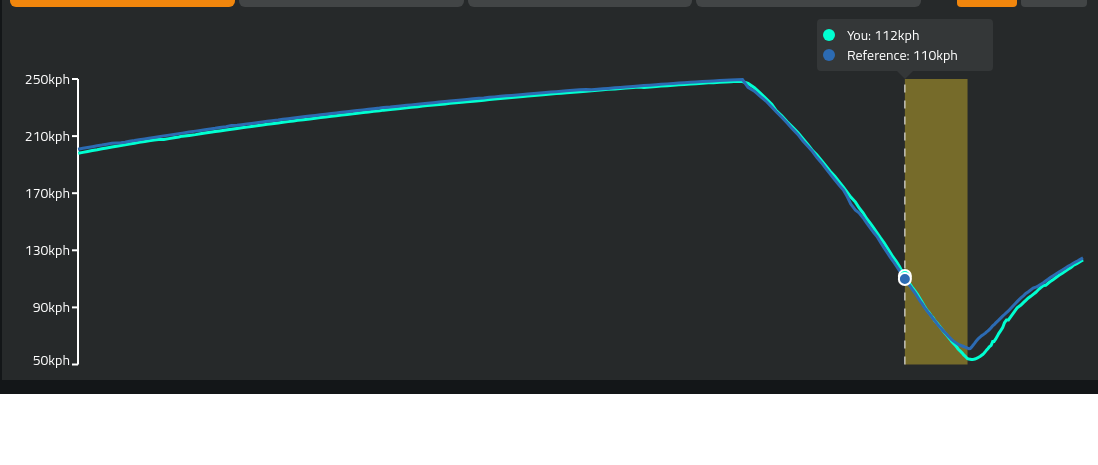
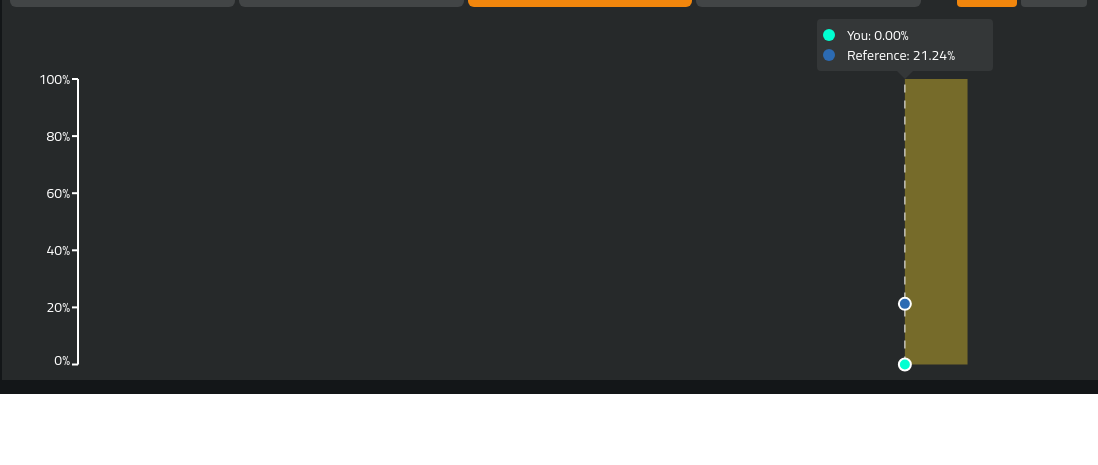
The speed chart analysis reveals that driverB is slower on corner exit compared to driverA, primarily due to a later application of throttle which results in a lower exit speed and a less steep acceleration curve. This delay in throttle input causes driverB to lose momentum, not only at the corner exit but also affects their speed into the next track section, leading to a cumulative time loss. To enhance performance, driverB should apply throttle earlier in the corner to achieve higher exit velocity and acceleration. In contrast, while driverA applies throttle later than driverB, they do so more progressively and smoothly, indicating better vehicle control and traction. DriverA's delayed but sharper throttle increase may lead to potential wheelspin or loss of rear grip. For lap time improvement, driverA should aim for an earlier and smoother throttle application out of corners to maintain control and optimize exit speed. Both drivers have distinct areas for improvement: driverB needs to focus on earlier throttle initiation during corners, while driverA should work on a smoother acceleration approach. By addressing these issues, both drivers can improve their overall lap times by ensuring better speed management through and out of corners.
Analyzing the speed chart, it's evident that driverB is losing significant time on corner exit compared to driverA. Initially, both drivers approach the corner with similar speeds, but as they progress through the turn, divergences appear. DriverB's minimum speed occurs noticeably later than driverA's, indicating a delayed throttle application. This delay in getting back on the power results in a lower exit speed for driverB and a less steep acceleration curve compared to driverA. The impact of this late throttle application is further emphasized by the sharp drop-off in speed for driverB at corner exit. While driverA begins to accelerate out of the corner, driverB's speed continues to decrease before finally picking up. This loss of momentum for driverB not only affects their speed out of this particular corner but will also compromise their approach into the next section of the track, resulting in a cumulative time loss that could be crucial in a competitive scenario. To improve, driverB should focus on initiating throttle input earlier in the corner to match or exceed driverA's exit velocity and acceleration rate.

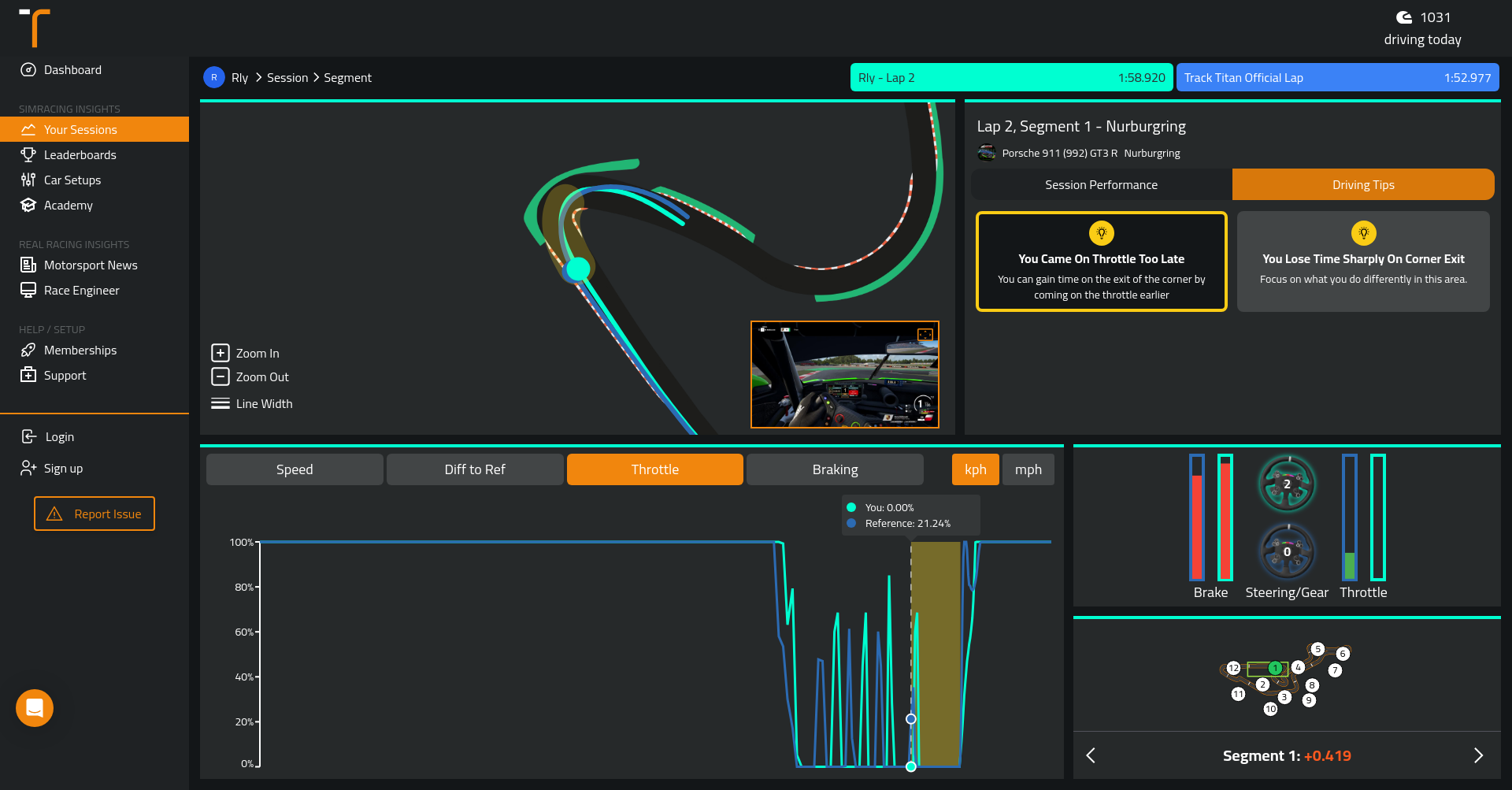
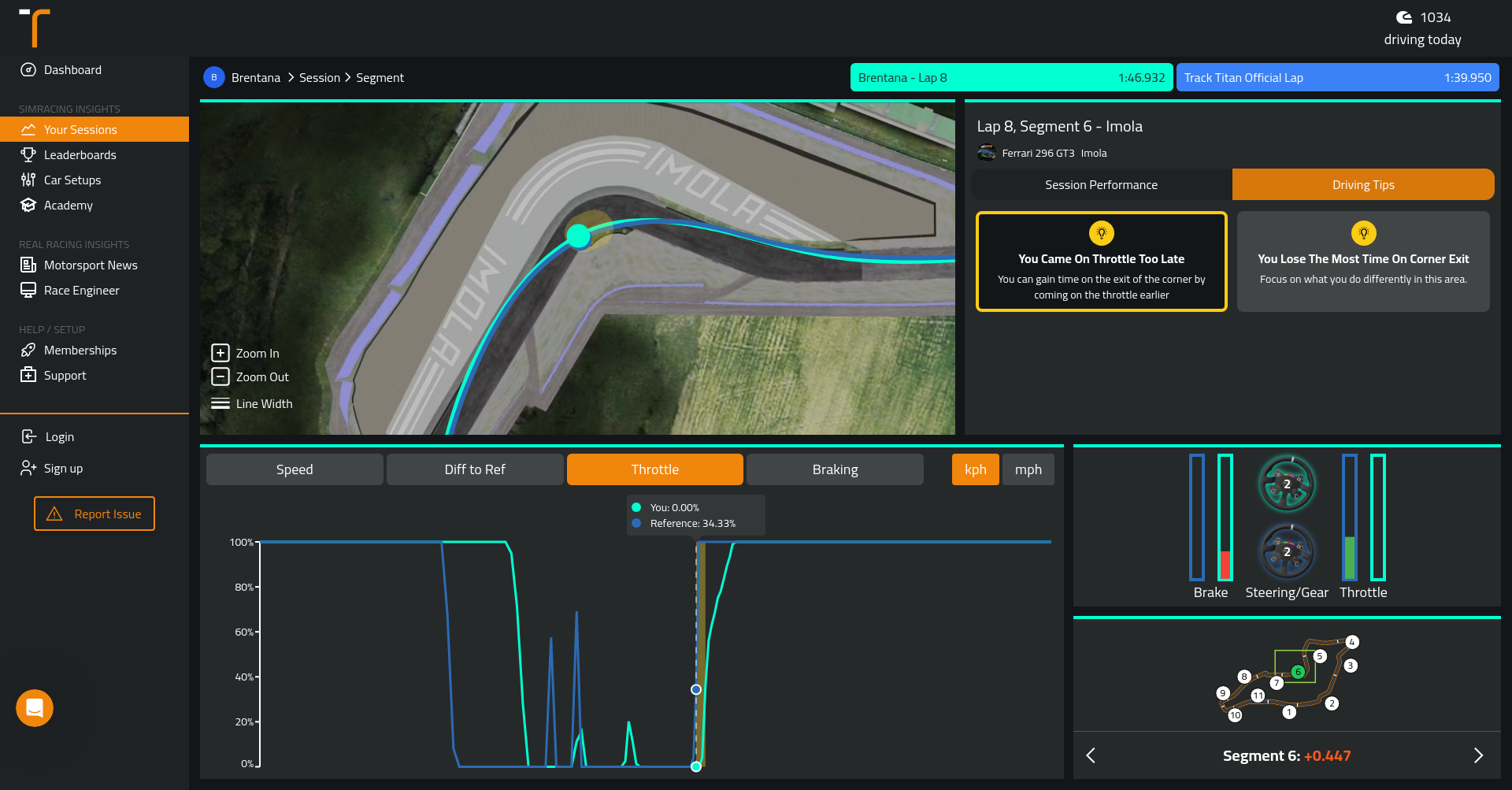
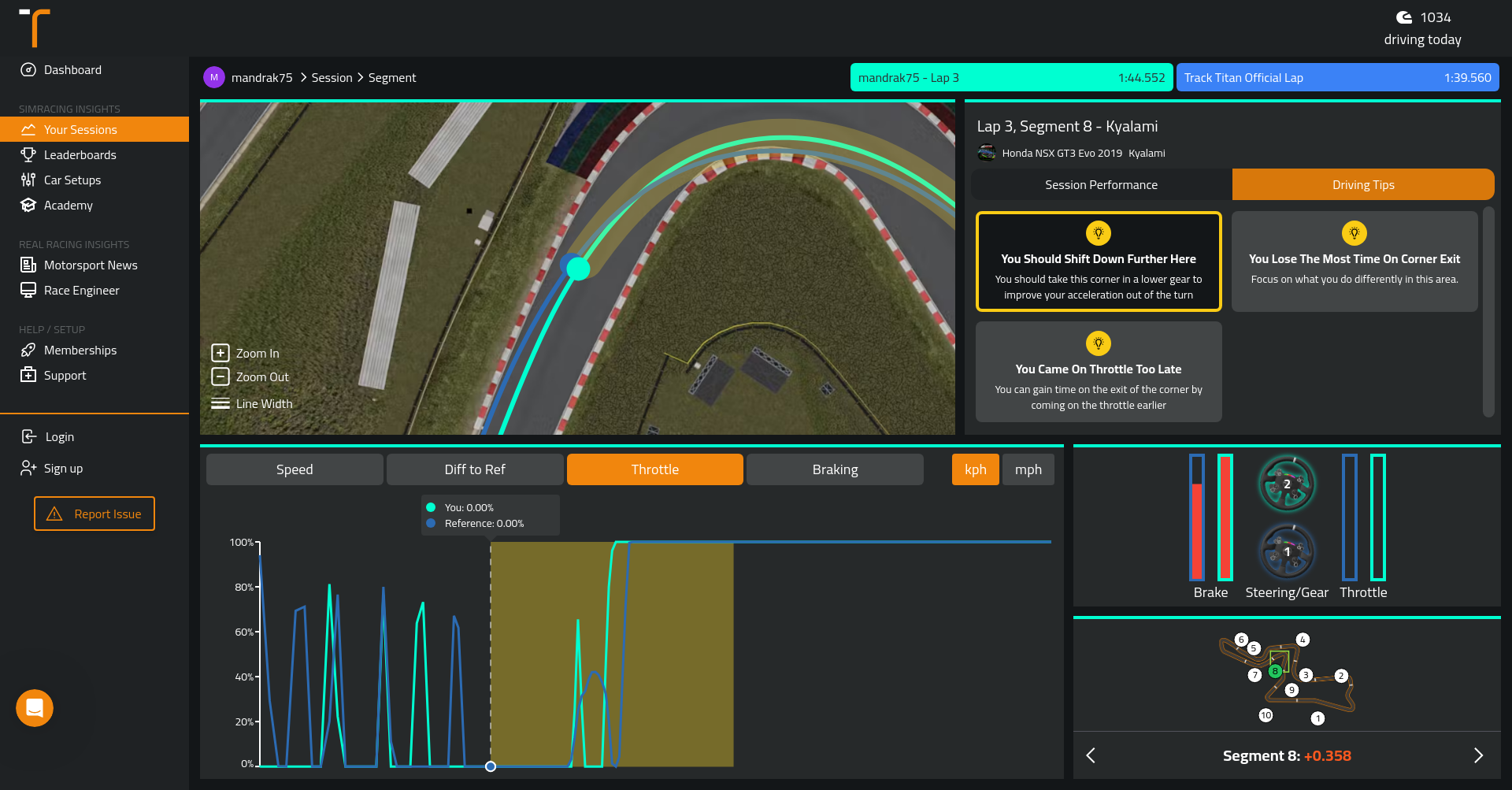
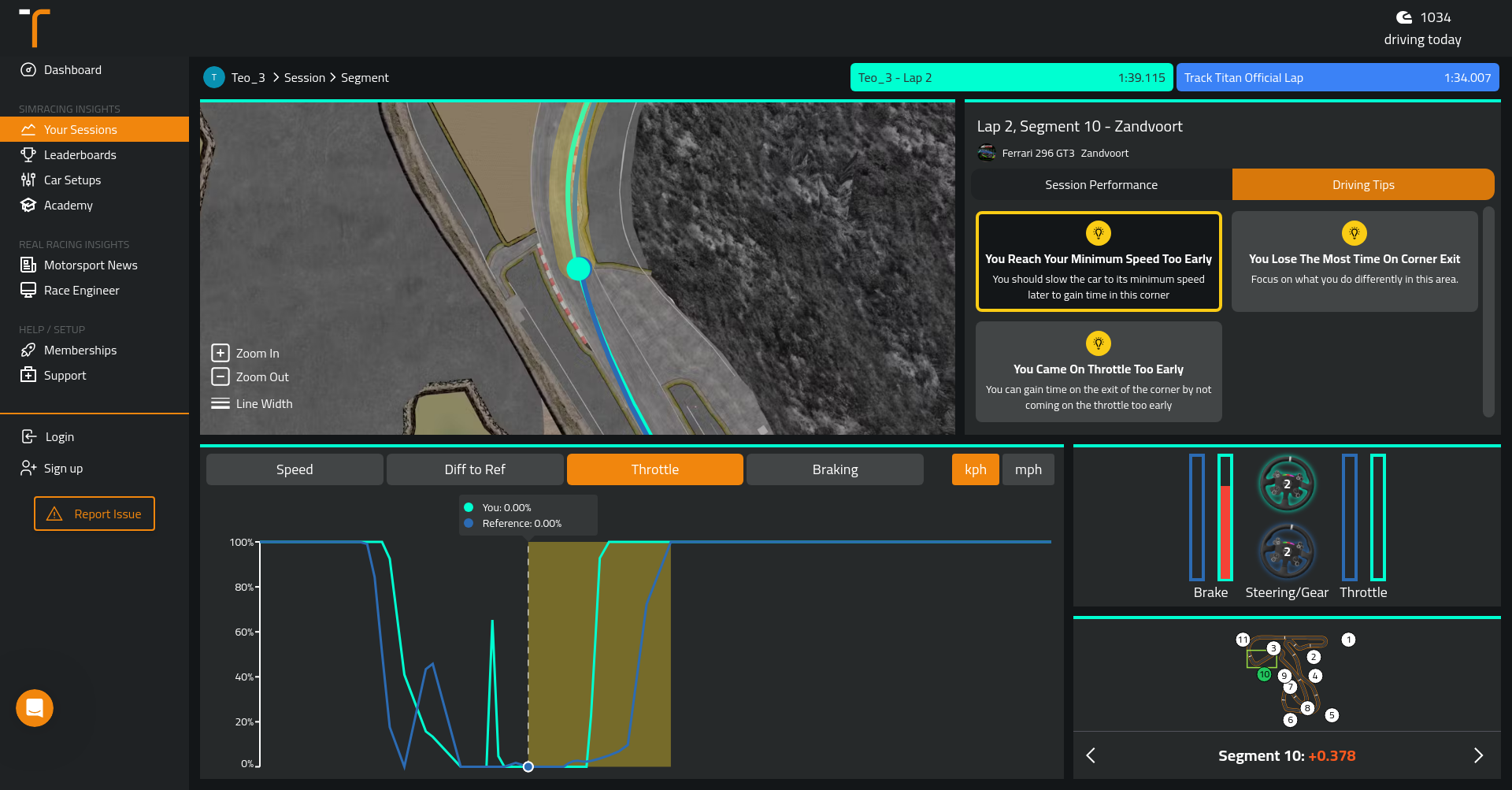
In the provided throttle control analysis, there is a clear difference in the timing of throttle application between driverA and driverB. DriverA begins to apply the throttle significantly later than driverB, as indicated by the delayed rise in their graph line. This delay in throttle application results in a loss of potential acceleration and ultimately, time, particularly at the corner exit where speed is crucial for lap time improvement. Additionally, driverB applies the throttle in a more progressive and smooth manner, which suggests better traction and control over their vehicle. In contrast, driverA's graph shows a sharper increase once they do apply throttle, which could indicate a more aggressive application that may lead to wheelspin or loss of rear grip. To improve lap times, driverA should focus on applying the throttle earlier and more smoothly out of corners to maintain better control and maximize exit speed.